Comprehensive guides covering culture, language, business etiquette, and essential facts for countries and cities around the world.
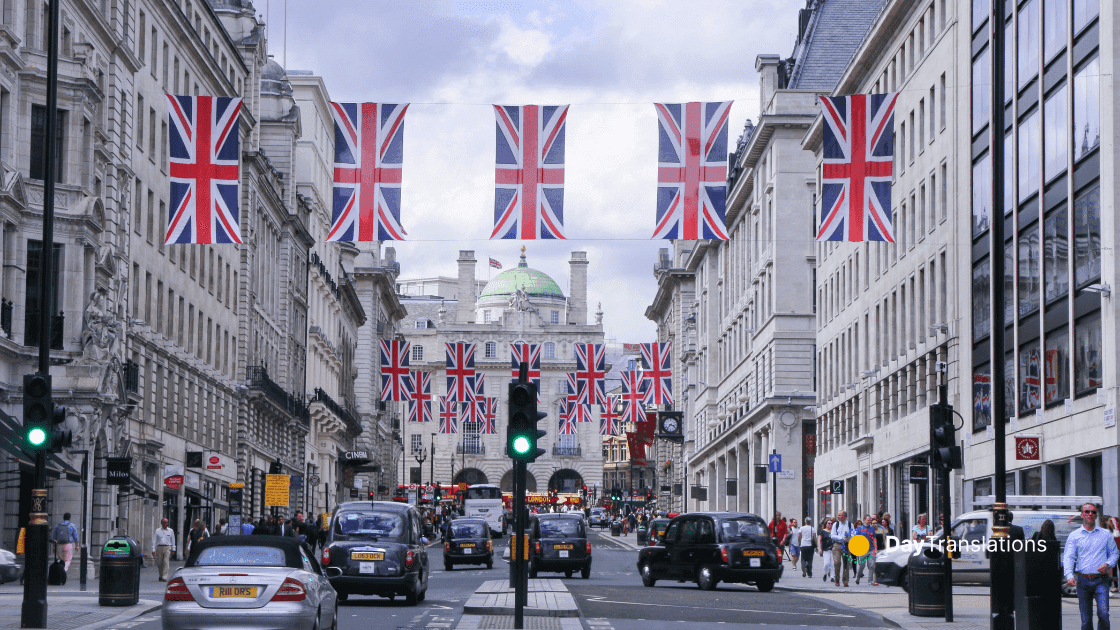
The United Kingdom is one of the most highly industrialized countries in the world. The capital, London is the major financial centre of the world.
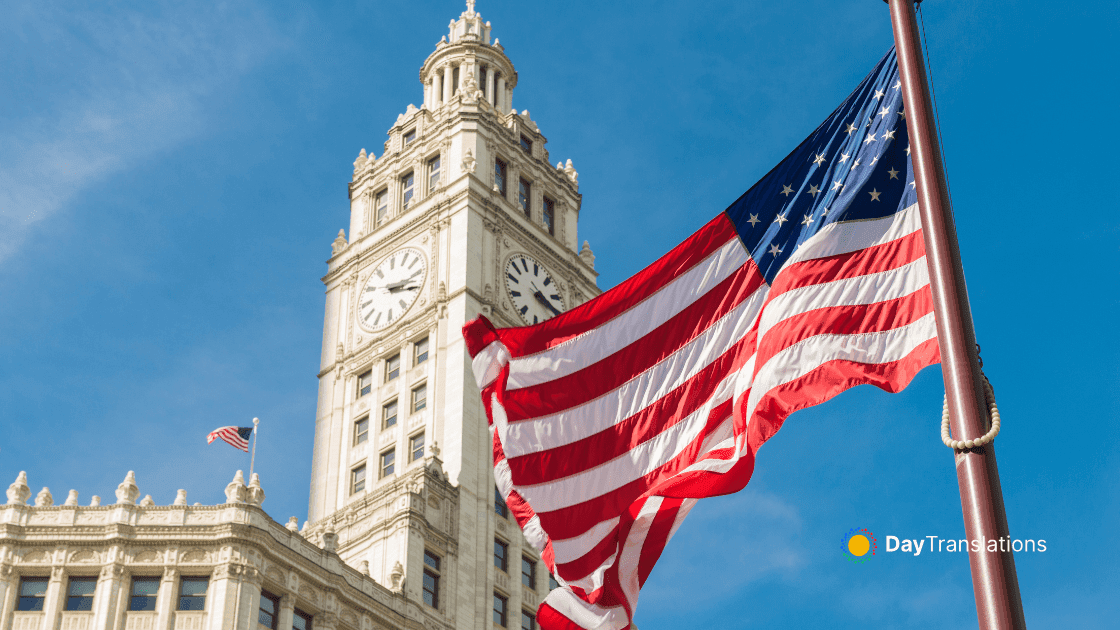
America has been often compared with a “melting pot,” because it welcomes people from many different countries, races, and religions.
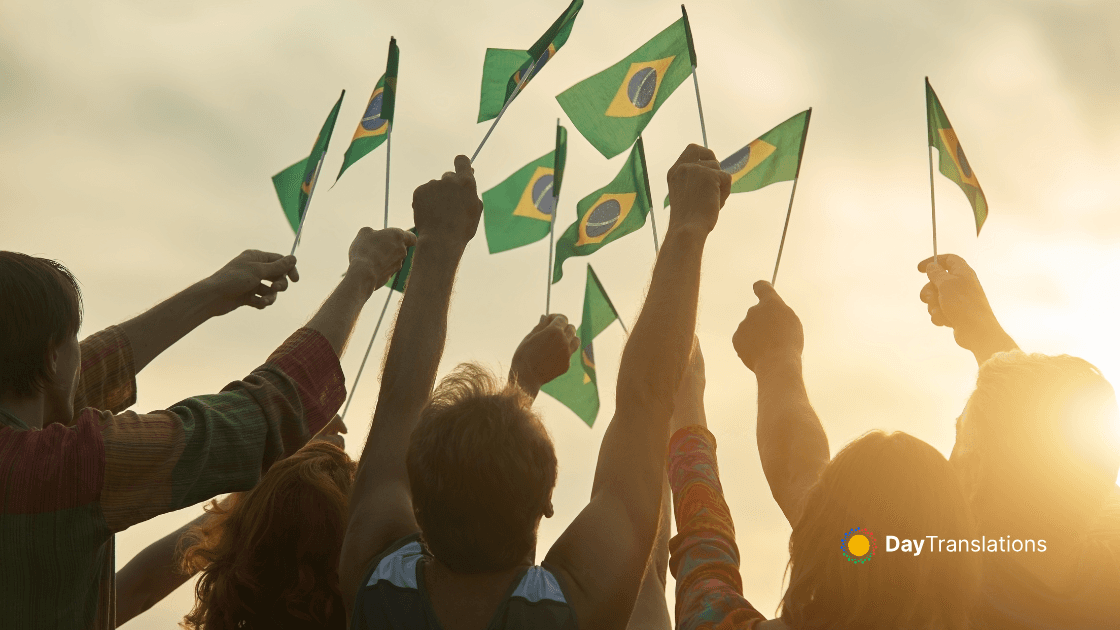
Located in Eastern South America, bordering the Atlantic Ocean, Brazil is the largest country in South America and the fourth-largest in the world.
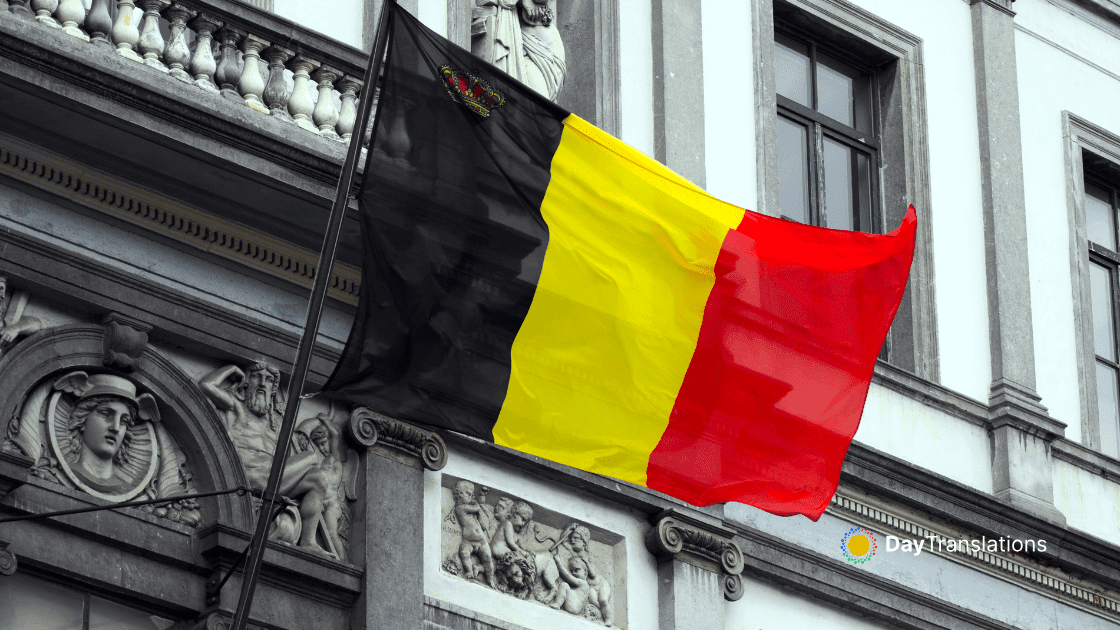
Straddling the cultural boundary between Germanic and Latin Europe, Belgium is home to two main linguistic groups, the Dutch-speakers, mostly Flemish, and the French-speakers, mostly Walloons, plus a small group of German-speakers.
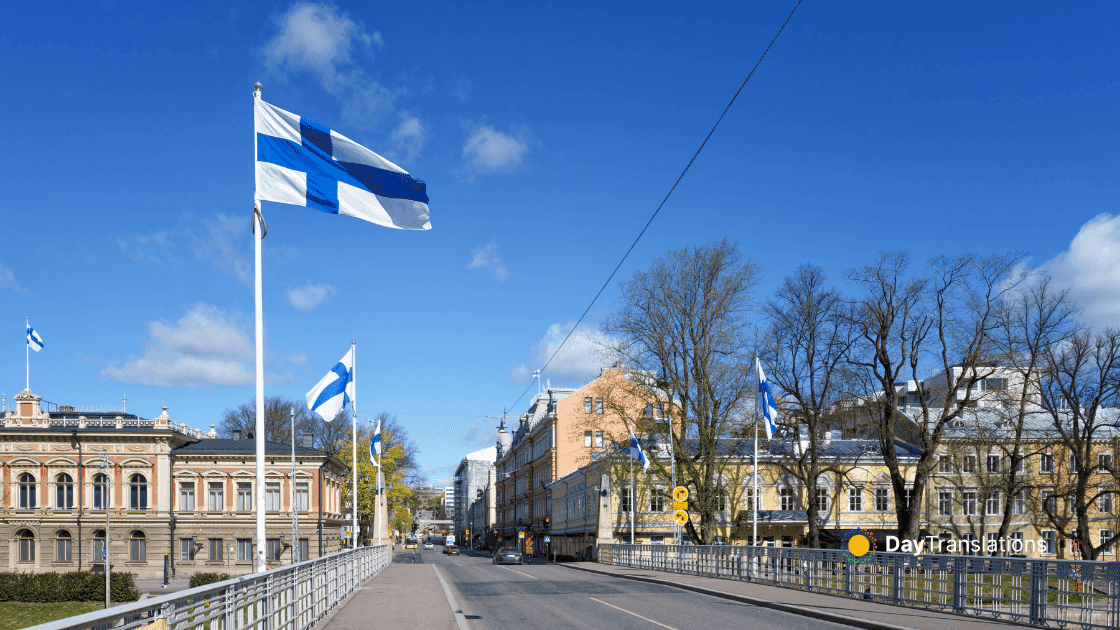
Finland is where you will see modern skyscrapers one moment and then find yourself in backcountry the next where you may be greeted by a herd of reindeer; where you can find the headquarters of Santa Claus; delight in the nighttime display of the aurora borealis and enjoy one of the longest winters on earth.
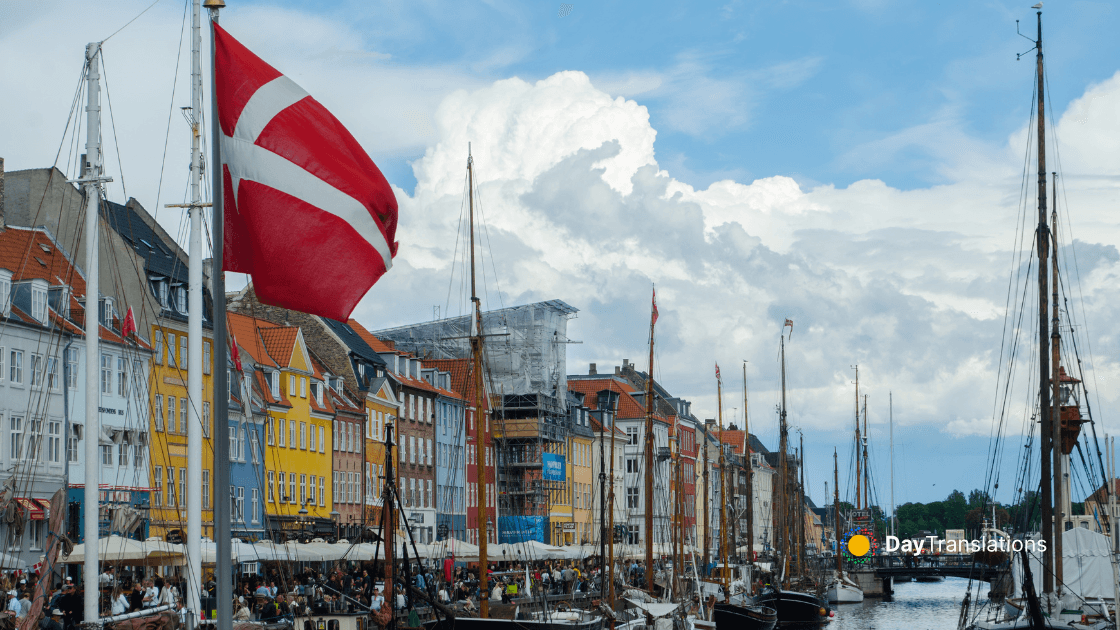
Denmark is a Scandinavian country in Northern Europe. The country of Denmark, together with Greenland and the Faroe Islands, comprises the Kingdom of Denmark.
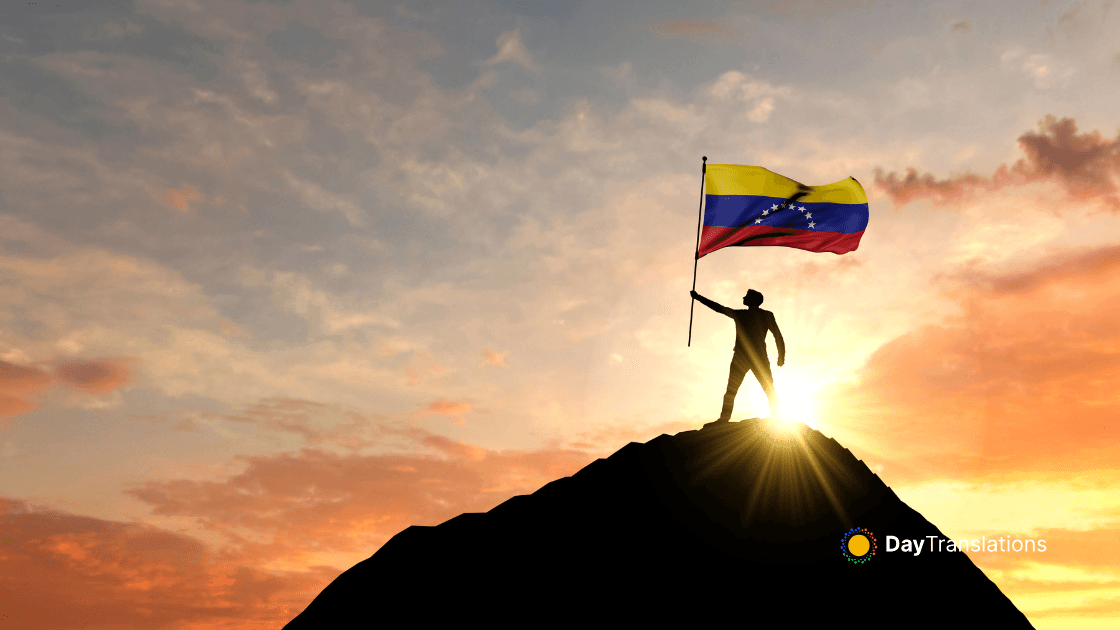
One of the oldest democracies in the South American continent, Venezuela is blessed with several gifts from nature – beautiful rock formations carved naturally thousands of years ago, endemic wildlife, snow-capped Andes Mountains, long stretches of beaches with sugar-fine sand and vast petroleum and natural gas reserves.
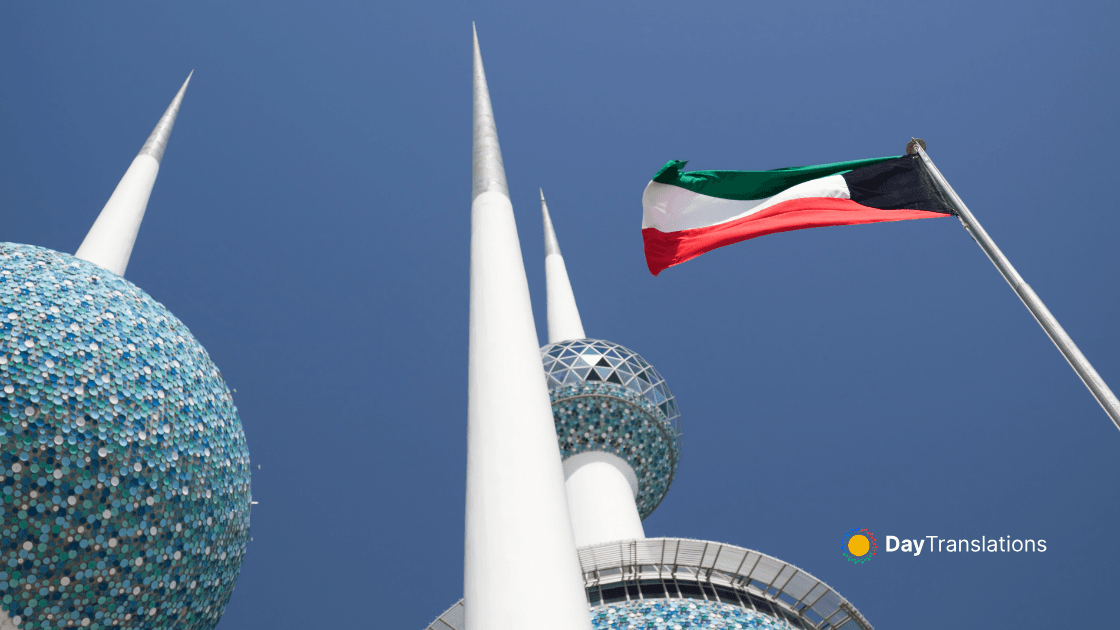
The State of Kuwait is a small country in the Gulf. It was once a center for boat construction and pearl diving in the Arab region. After the discovery of its large deposits of oil after the Second World War, Kuwait rose to prominence.
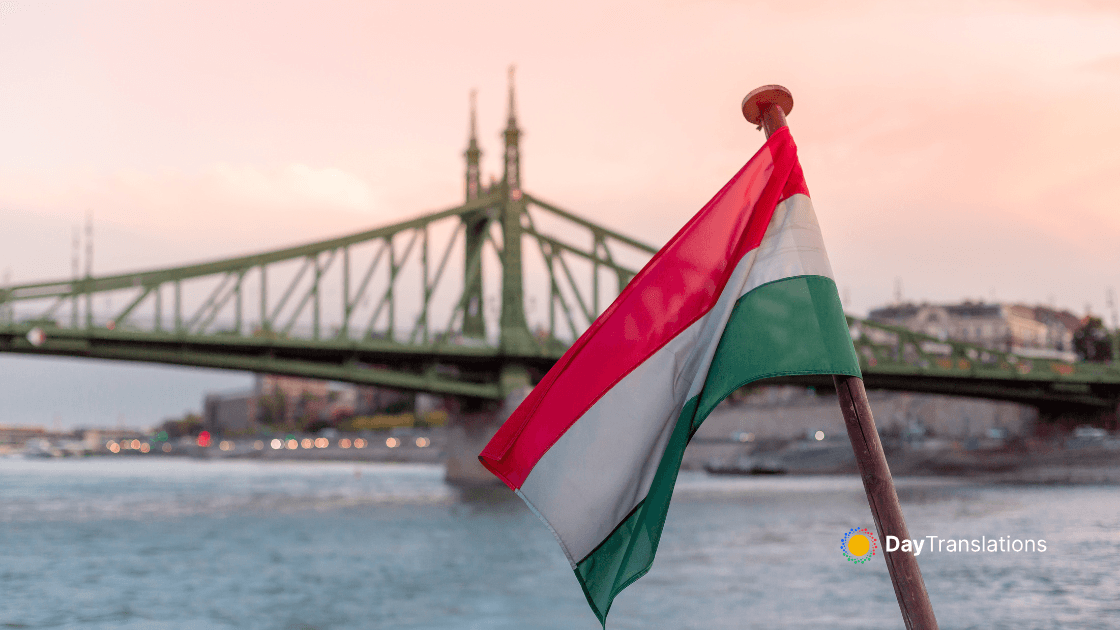
Hungary has hundreds of mineral springs that are sought after for their therapeutic benefits; where Lake Balaton, the largest freshwater lake in Central Europe is located and where you can find ancient Roman ruins standing side by side Turkish monuments.
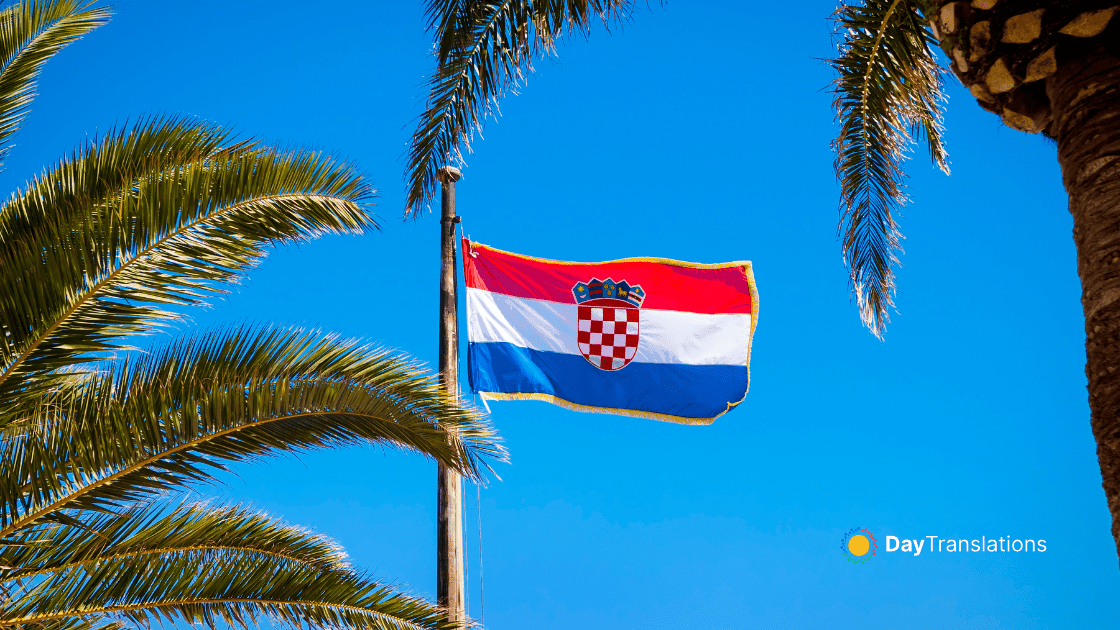
The Republic of Croatia is a country in Southeastern Europe at the crossroads of the Pannonian Plain, the Balkans, and the Adriatic Sea.
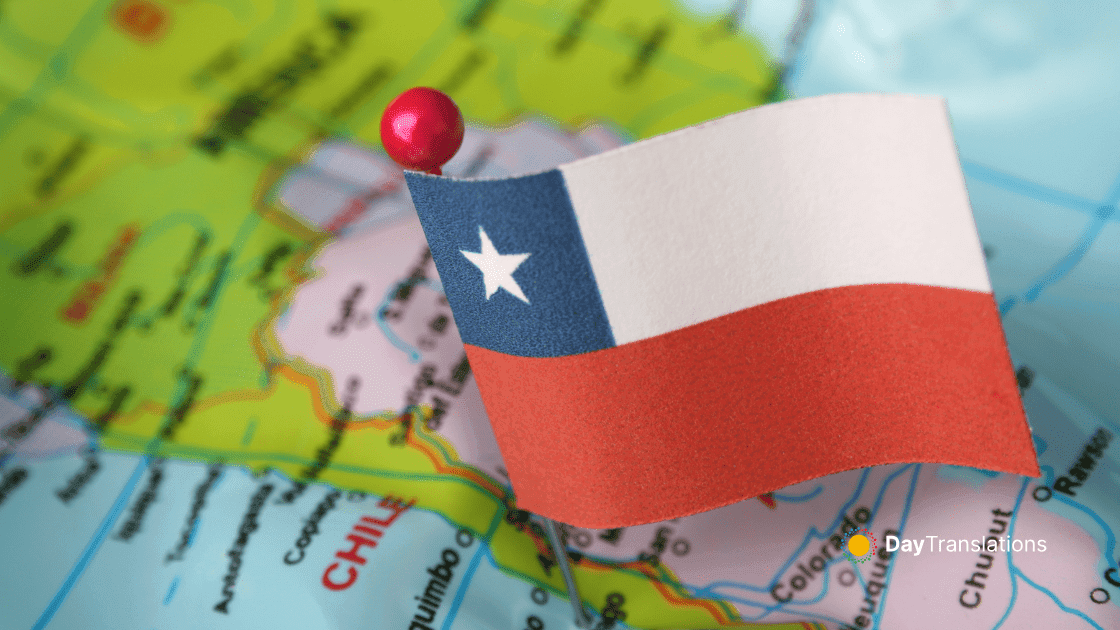
Chile is one of South America’s most stable and prosperous nations and a recognized middle power. It leads Latin American nations in human development, competitiveness, income per capita, globalization, economic freedom, and low perception of corruption.
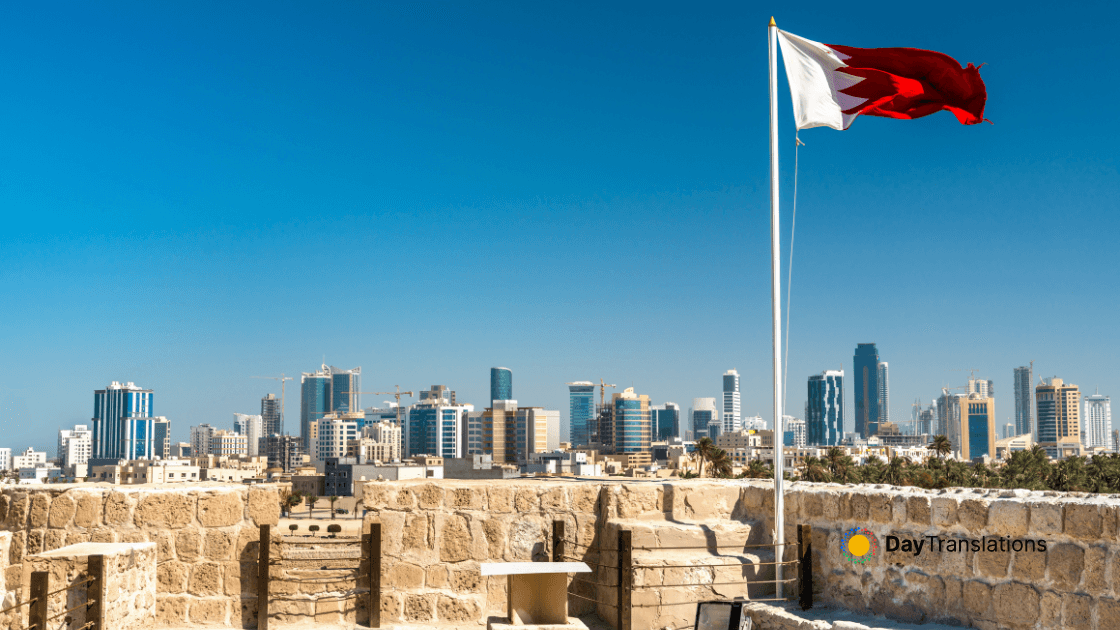
The Kingdom of Bahrain is the smallest country in the Persian Gulf, through which much of the Western world’s petroleum must transit to head out to open ocean.
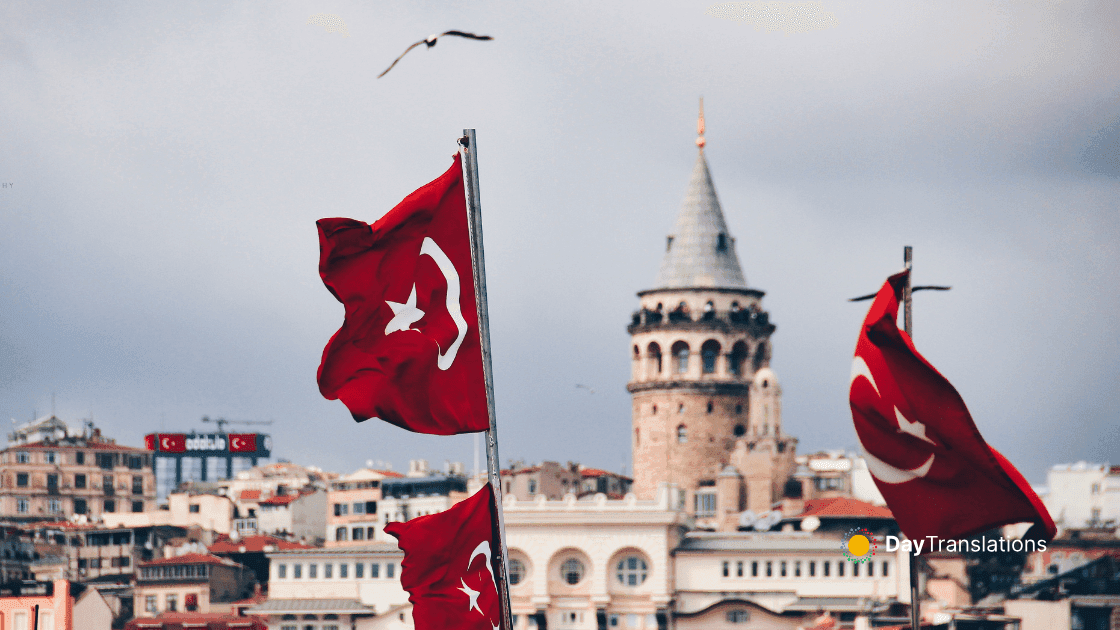
Turkey is positioned on an area where Europe meets Asia and is very close geographically to Africa. Turkey’s geographical location plays an important role in the geo-politics of Europe and Asia not just as a crucial land bridge between the two continents, but as an integral part of the prosperous Mediterranean economy, a center for trade.
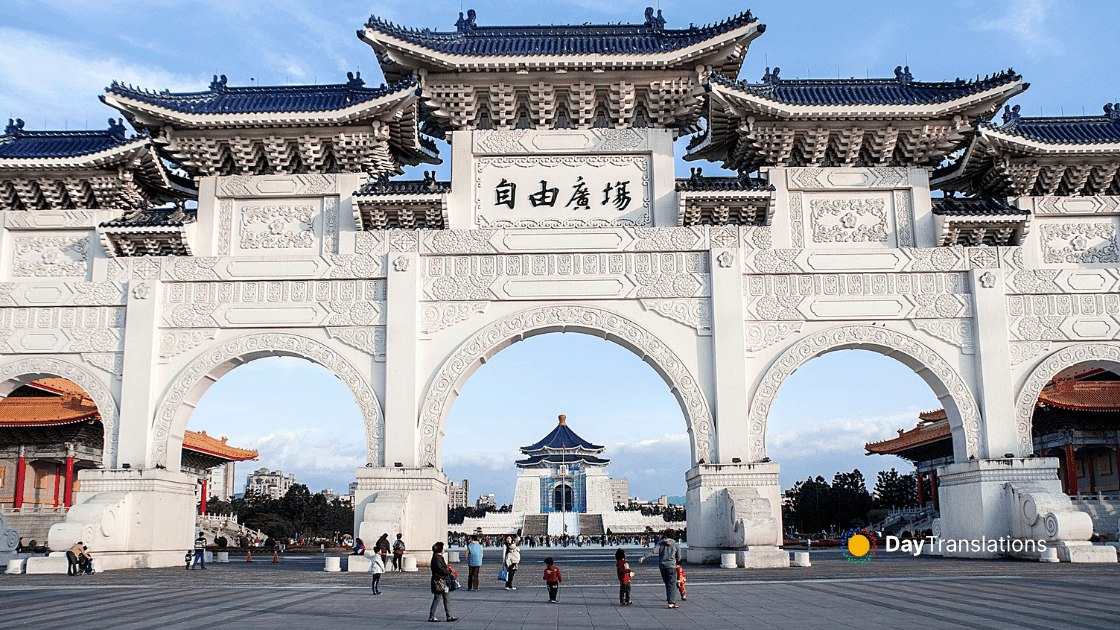
Taiwan marked its economic success with the construction of one of the tallest buildings in the world, Taipei 101, which was the world’s tallest from 2004 up to 2010. It has 101 floors above ground and five floors under the ground. It is an iconic symbol of Taiwan and a symbol of advanced technology, traditional design and modern architecture and engineering. It is designed to withstand strong winds, typhoons and earthquakes that plague the country annually.
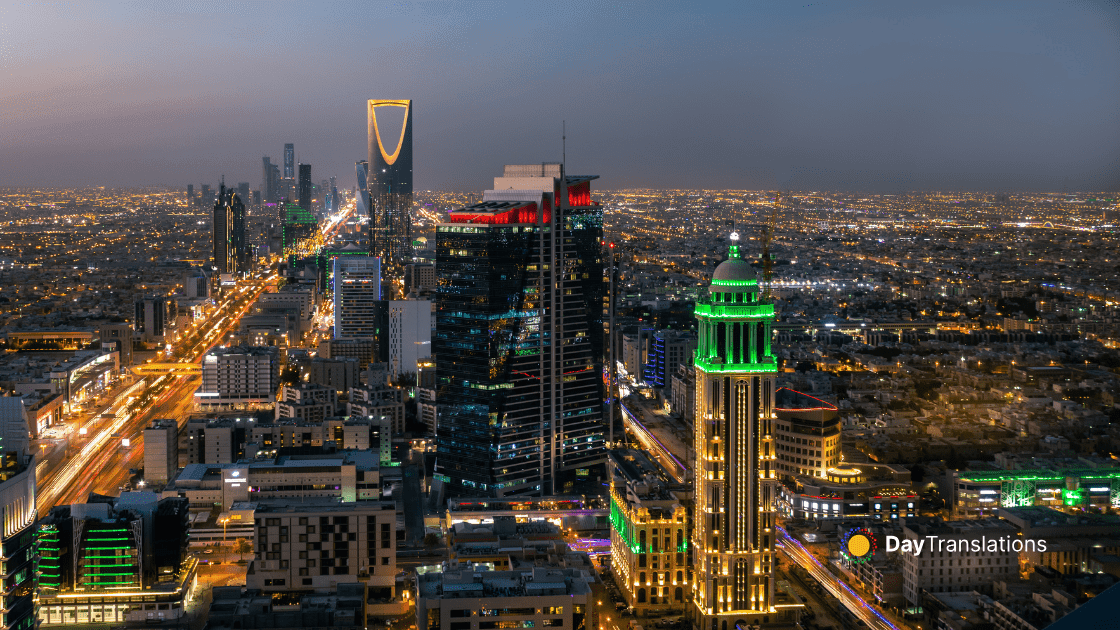
Saudi Arabia possesses 25% of the world’s proven petroleum reserves and plays a leading role in the Organization of Petroleum Exporting Countries (OPEC).
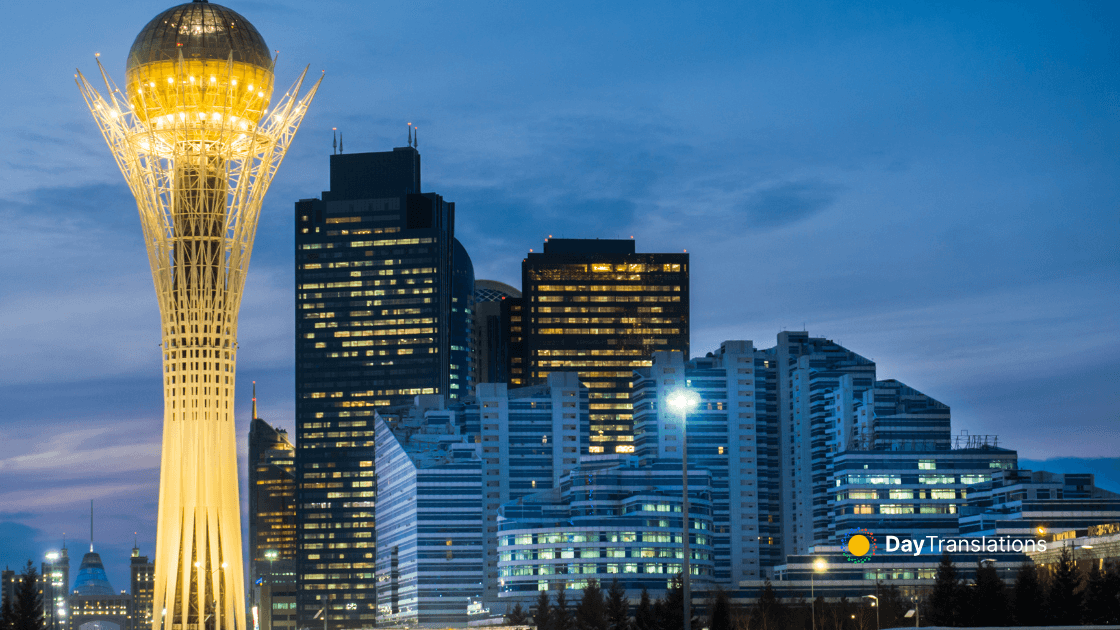
Kazakhstan is a country situated in between Central Asia and Eastern Europe. It is considered as the 9th largest country in the whole world in terms of land area. It is also said to be the one of the world’s largest landlocked countries.
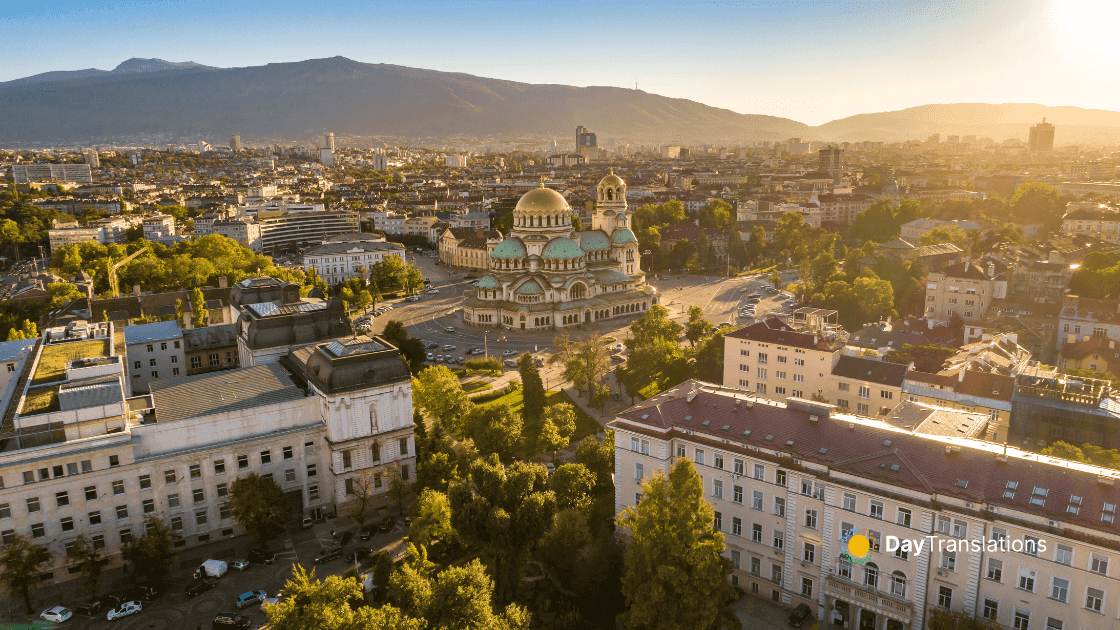
The Republic of Bulgaria is a country in Southeast Europe. With a territory of 110,994 square kilometers (42,855 sq mi), Bulgaria ranks as the 16th-largest country in Europe.
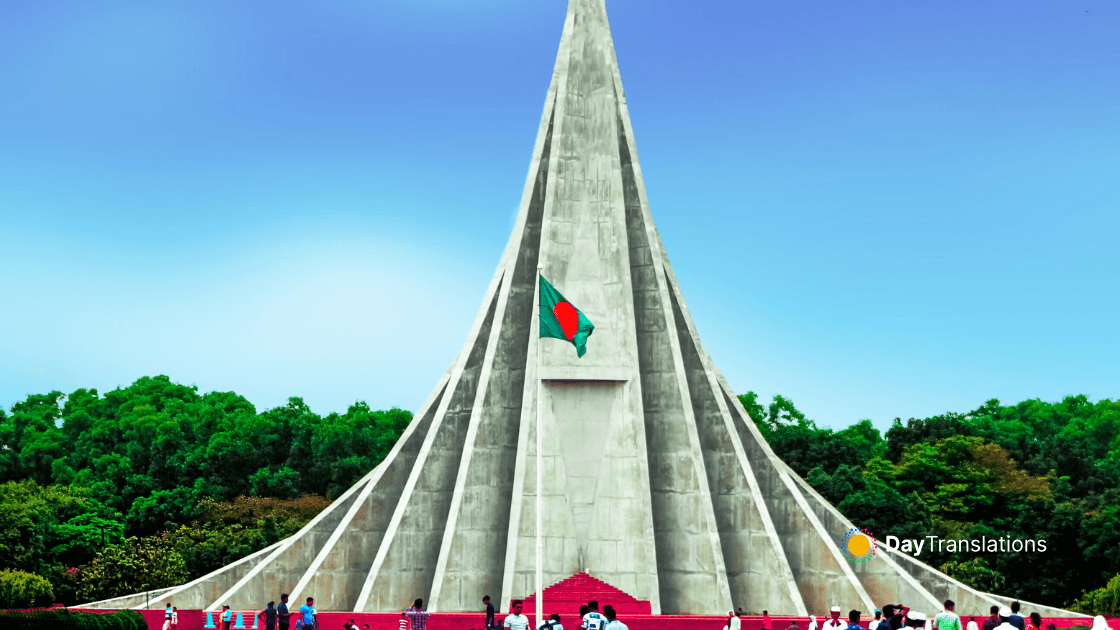
Bangladesh is not known for its affluence but this nation is defiant and determined to rise above natural calamities that visit the country yearly; curb its booming population and do its share in environmental protection.
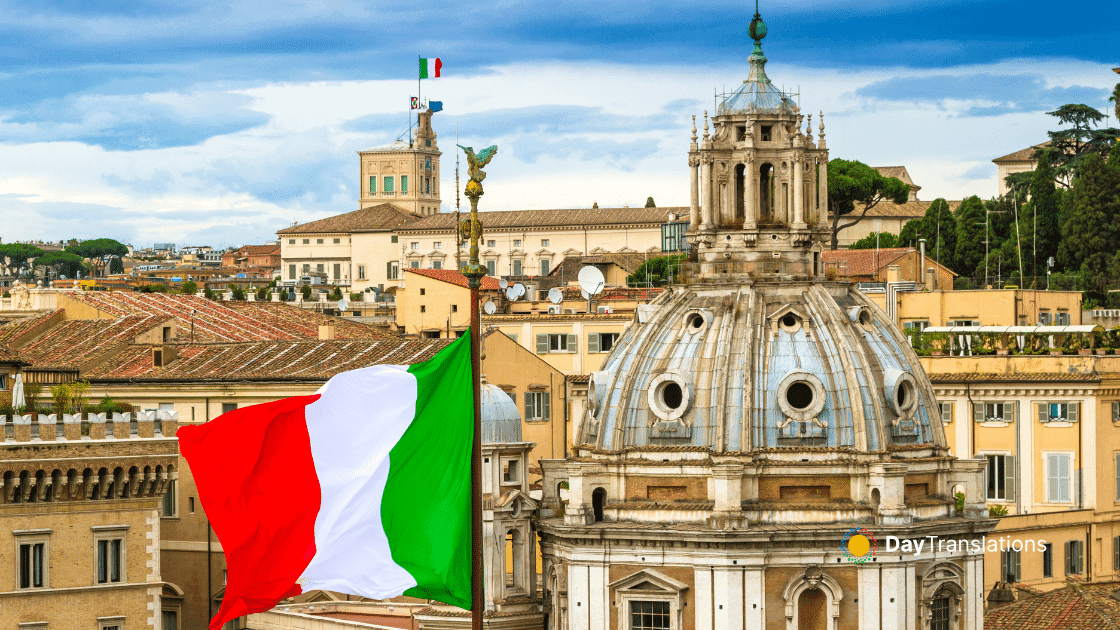
The Italian culture is one of great flamboyance, passion, energy, enthusiasm and color. With more than 55 million consumers, famous for their sophistication and high levels of brand awareness, the Italian market is replete with opportunities for an expanding business.
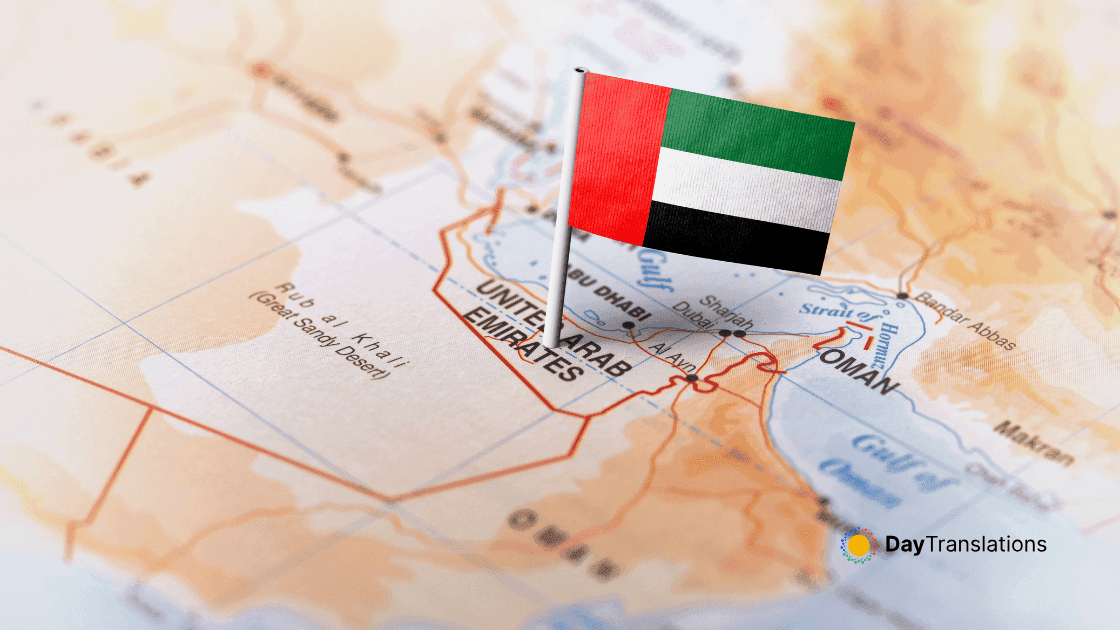
United Arab Emirates is a Middle Eastern federation of seven states: Abu Dhabi, Ajman, Dubai, Fujairah, Ras al-Khaimah, Sharjah, and Umm al-Quwain.
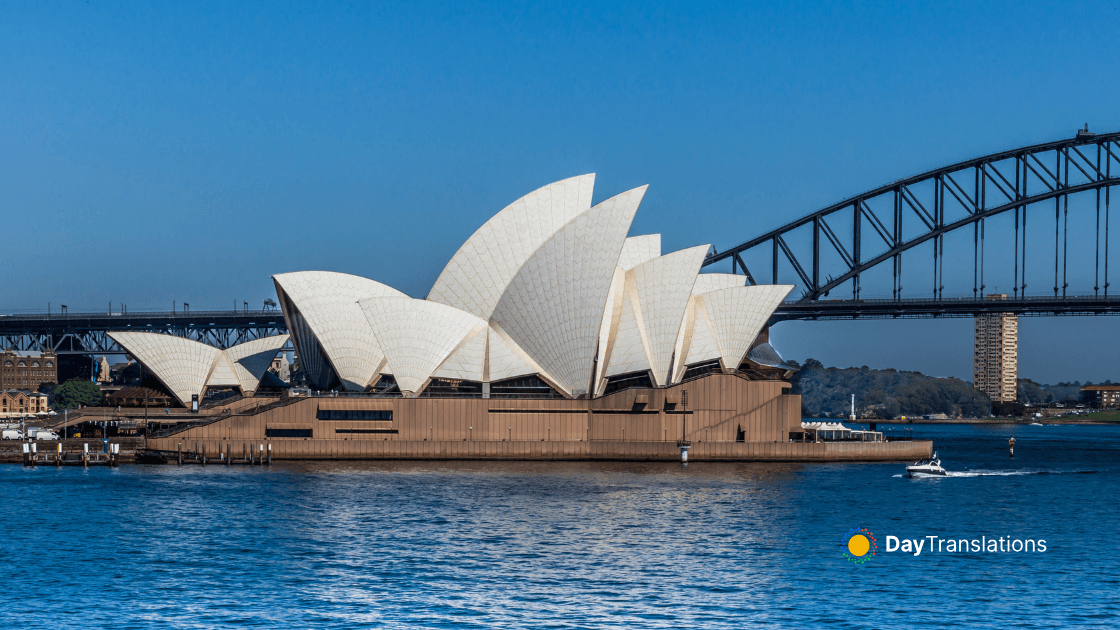
Australia is the world’s smallest continent but sixth-largest country with numerous European and Asian populations and many languages in wide usage.
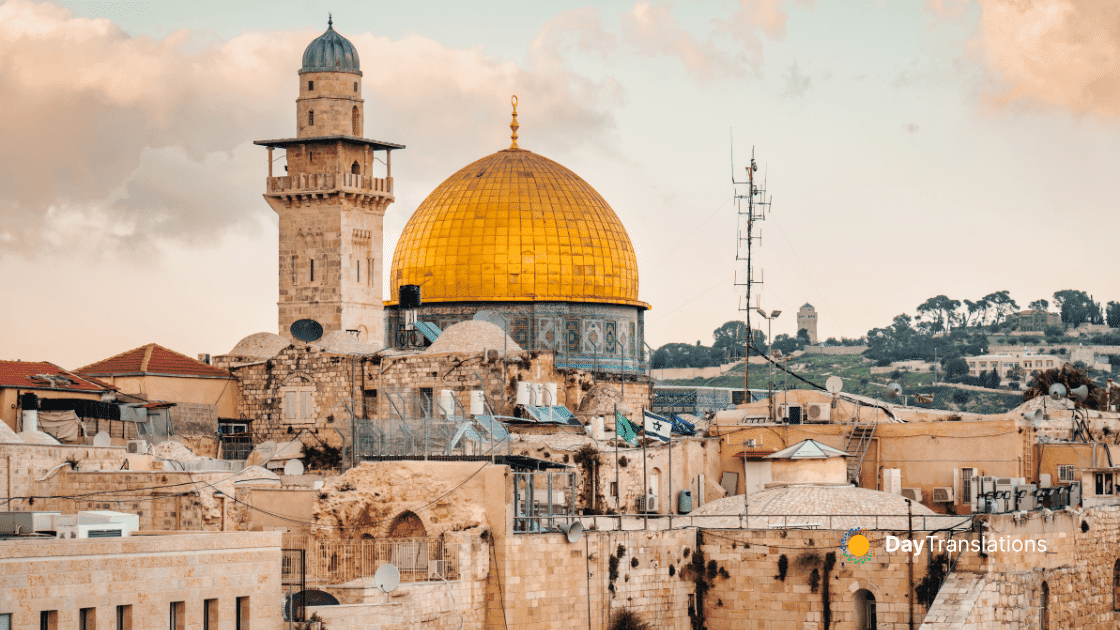
Israel is a global leader in high-tech and environmental solutions, exporting all kinds of water technologies to the world, as well as in in cutting-edge technology, in medical research and in the arts.
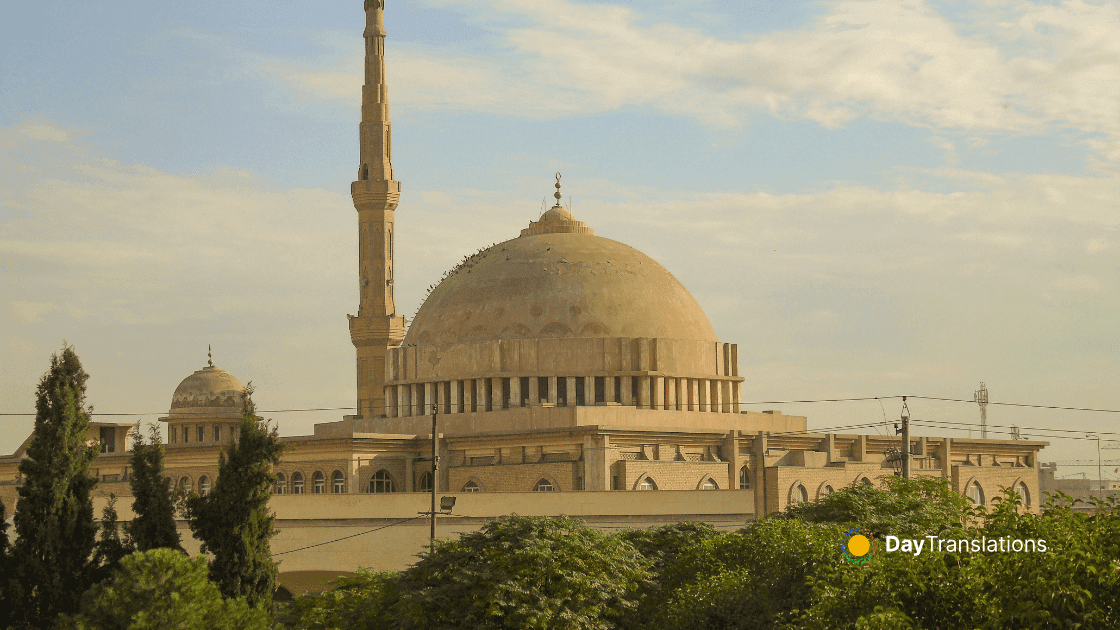
The region where the Euphrates and the Tigris Rivers is where Mesopotamia lies; where civilization was born and where most part of what today is known as Iraq, is located. Iraq, or formally called the Republic of Iraq, is situated in the Middle Eastern section of Asia.
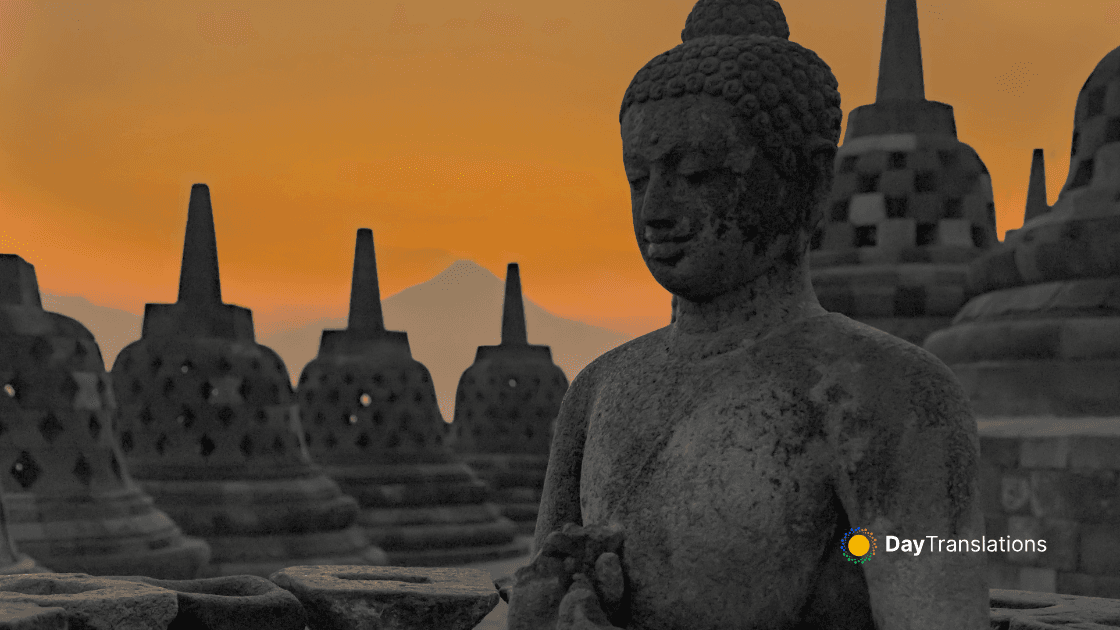
The Indonesian archipelago has been an important trade region since at least the 7th century, when Srivijaya and then later Majapahit traded with China and India. Local rulers gradually absorbed foreign cultural, religious and political models from the early centuries CE, and Hindu and Buddhist kingdoms flourished.
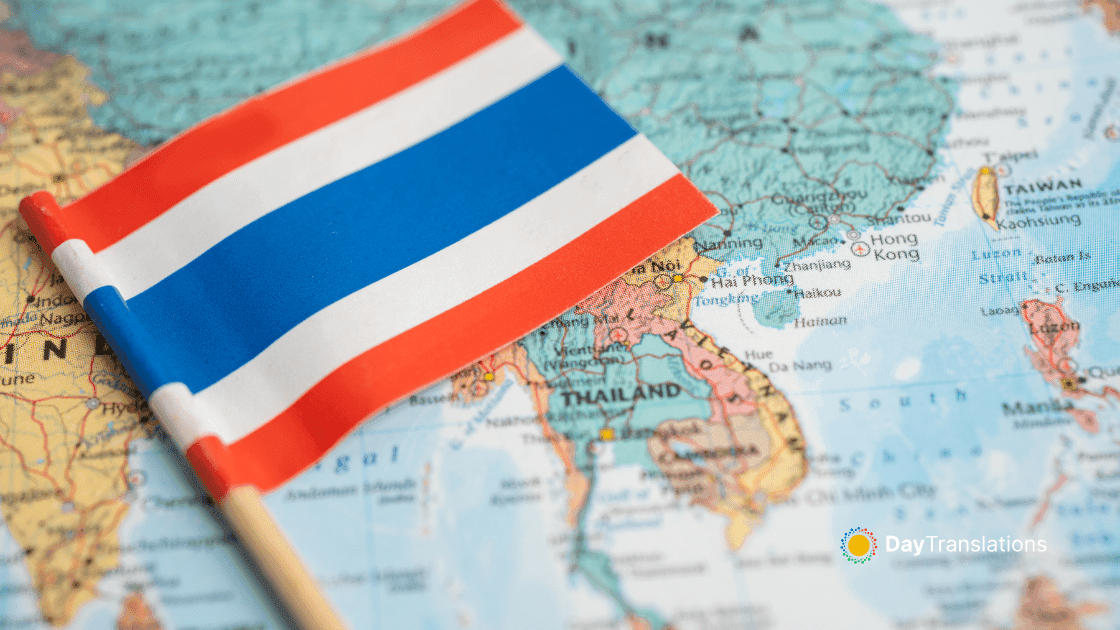
Thailand is a kingdom with a constitutional monarchy ruled by King Rama IX or King Bhumibol Adulyadej, who has been reigning since 1946, the longest reign in the history of Thailand.
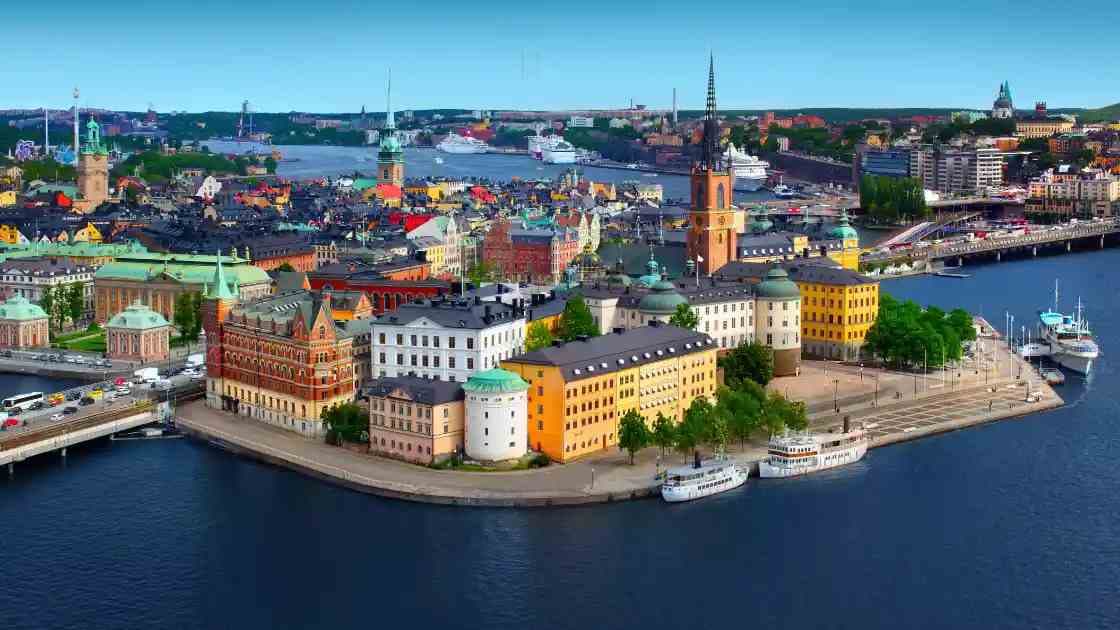
Sweden had its beginnings around 12,000 BC. The Swedes had been known to have powerful and fast longships that were capable of long journeys and manned by strong men. These men and their longships, called the Swedish Vikings or Rus, figured prominently in Nordic mythology.
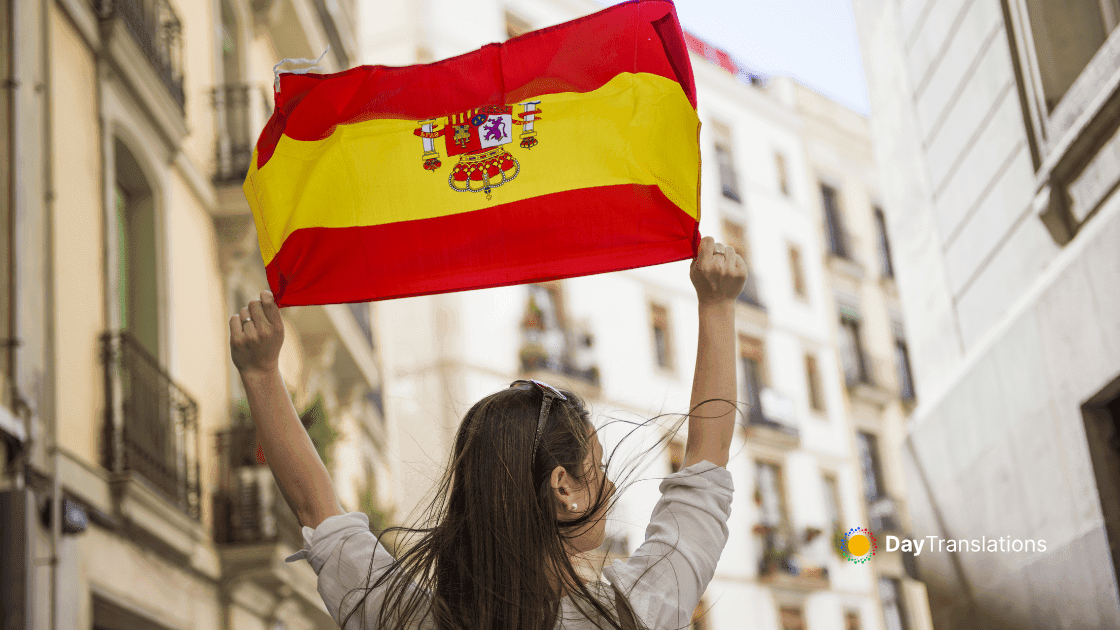
Nestled between the Bay of Biscay, the Mediterranean Sea and the North Atlantic Ocean, Spain is located on the Iberian Peninsula in the southwest of Europe bordering Portugal, Gibraltar, Andorra, and France. It has a strategic location as a peninsula washed by three different seas.
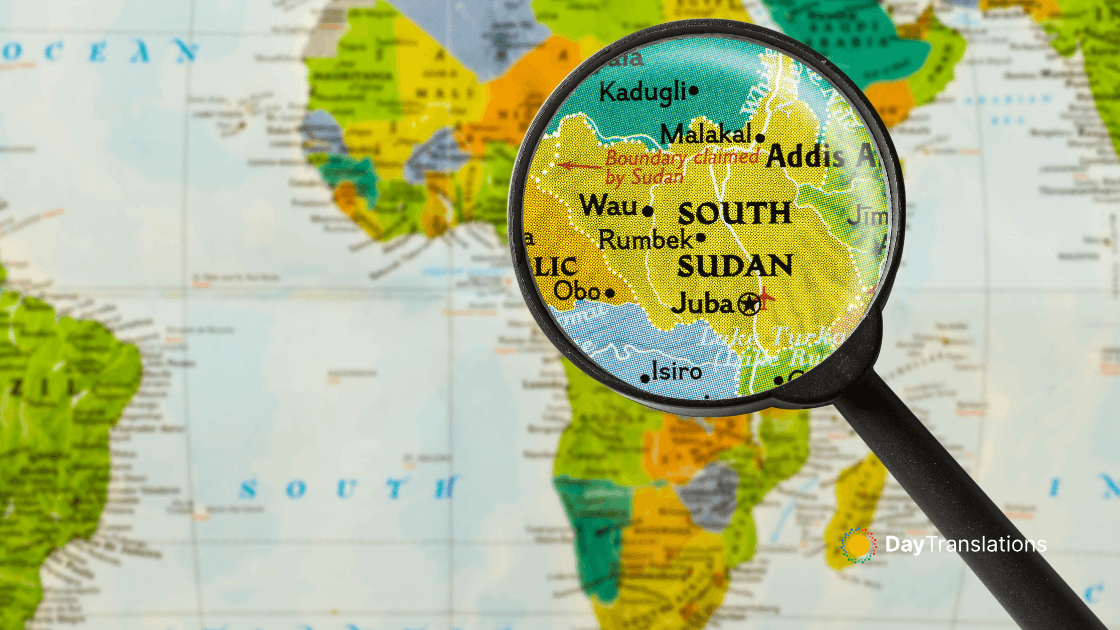
The Republic of Sudan is the newest country in the world, with their independence from Sudan only made official on July 9, 2011. The new nation’s capital is located in Juba, the largest city in South Sudan.
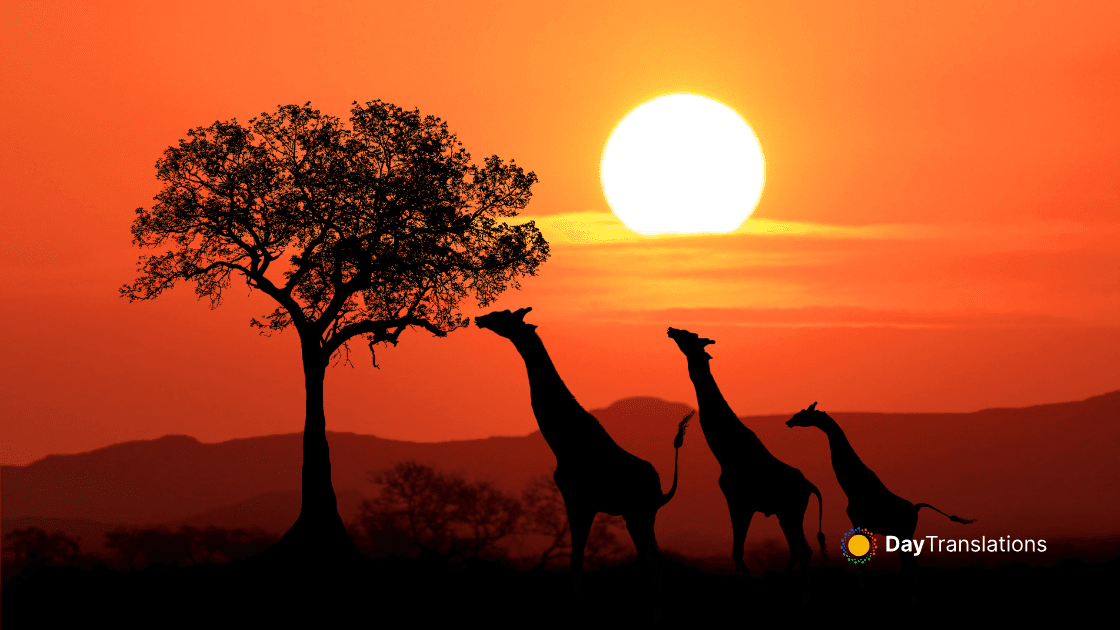
In many medical disciplines, South Africa is a global leader. In fact, South African trained doctors are sought after all over the world. South Africa is a global competitor also in the international pulp and paper industry, being the economic hub of Africa.
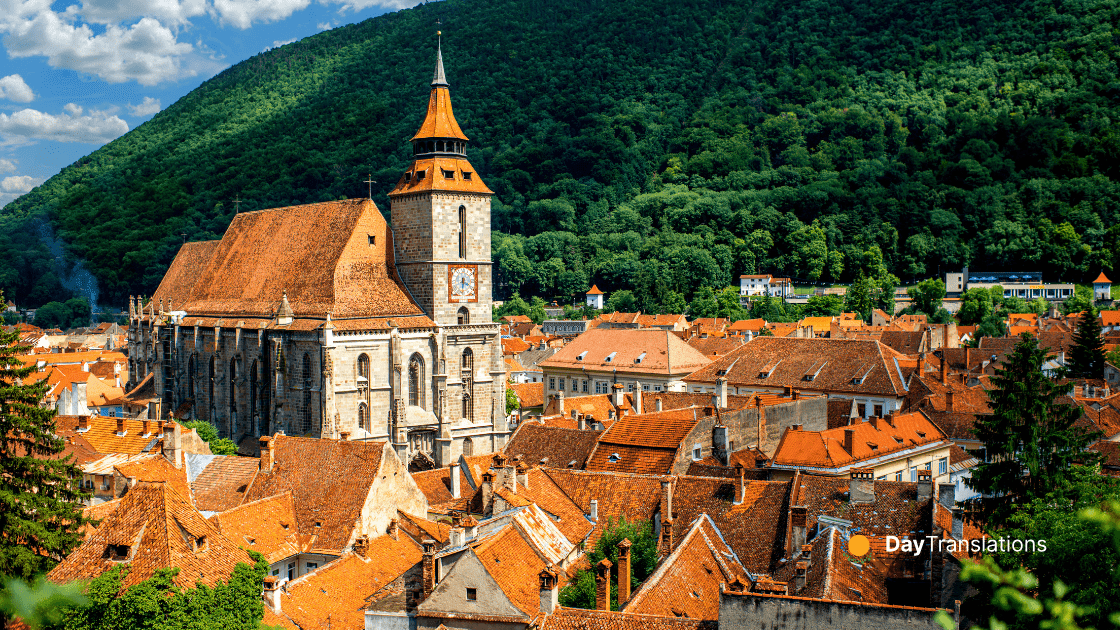
Romania has an excellent geographical position, at the crossroads of some great trade routes that connect the Far East with the Western Europe. Romania can ensure through the Rhine-Main-Danube Canal important connections between North and South, allowing the access to over 200 million consumers in a 1000 km radius.
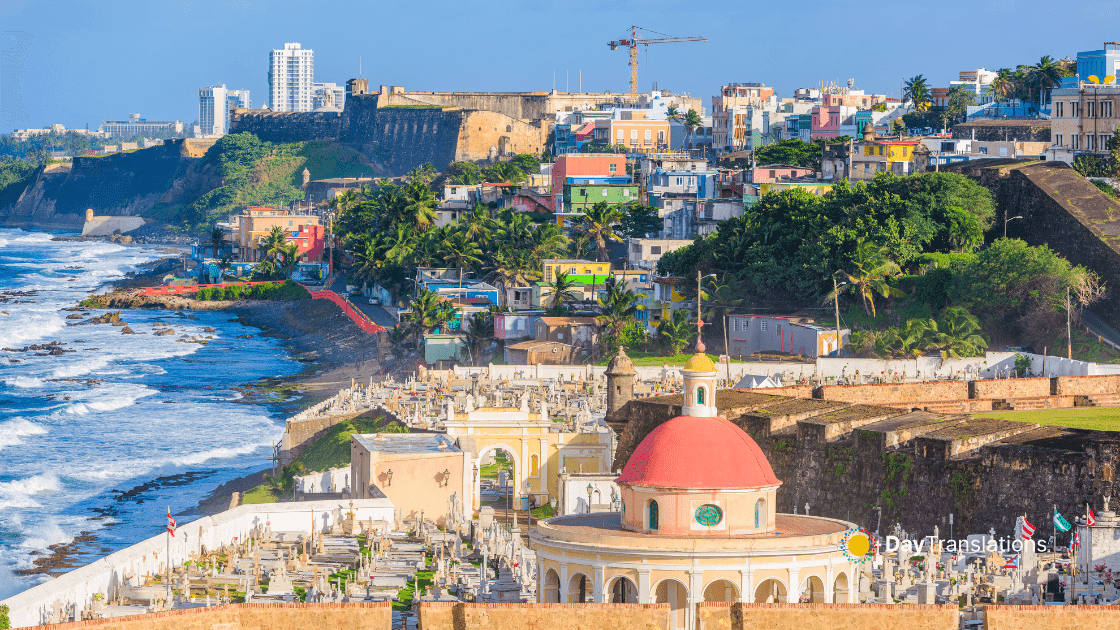
Puerto Rico is a self-governing unincorporated territory of the United States located in the northeastern Caribbean, east of the Dominican Republic and west of the Virgin Islands. The 3.950 million people that inhibit the island of Puerto Rico make it one of the most densely populated islands in the world.
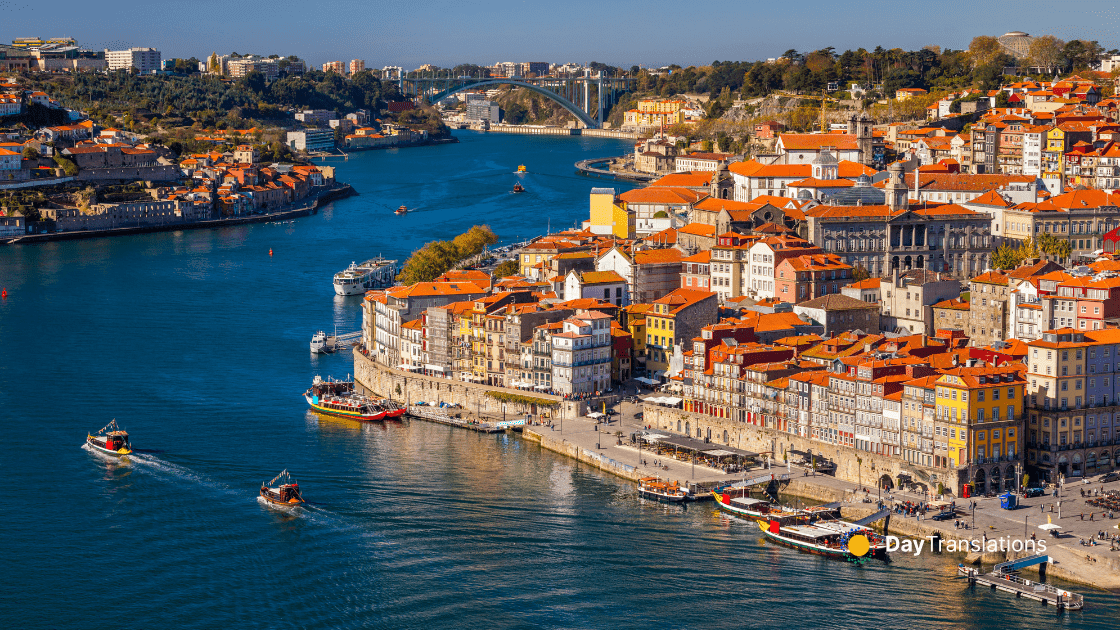
Standing at the crossroads of Europe, Africa and the Americas, Portugal has a strategic location in southwestern Europe, bordering the North Atlantic Ocean, west of Spain. It has a longstanding political, economic and commercial tradition worldwide.
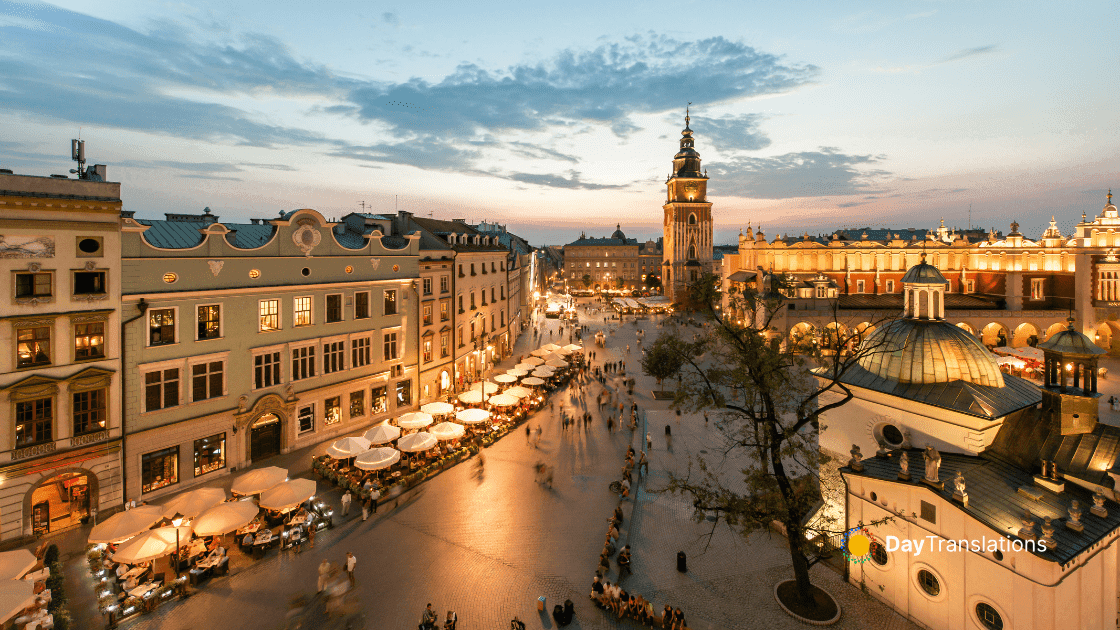
The establishment of a Polish state is often identified with the adoption of Christianity by its ruler Mieszko I in 966, over the territory similar to that of present-day Poland. The Kingdom of Poland was formed in 1025, and in 1569 it cemented a long association with the Grand Duchy of Lithuania by signing the Union of Lublin, forming the Polish-Lithuanian Commonwealth.
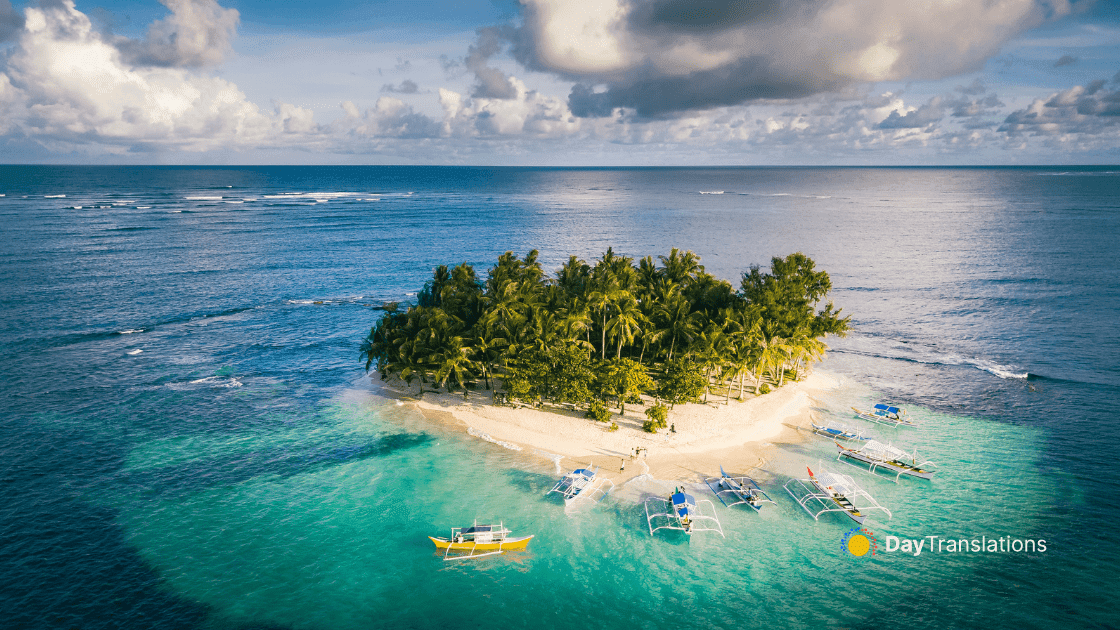
The Philippines’ location on the Pacific Ring of Fire and its tropical climate make the it prone to earthquakes and typhoons but have also endowed the country with natural resources and made it one of the richest areas of biodiversity in the world.
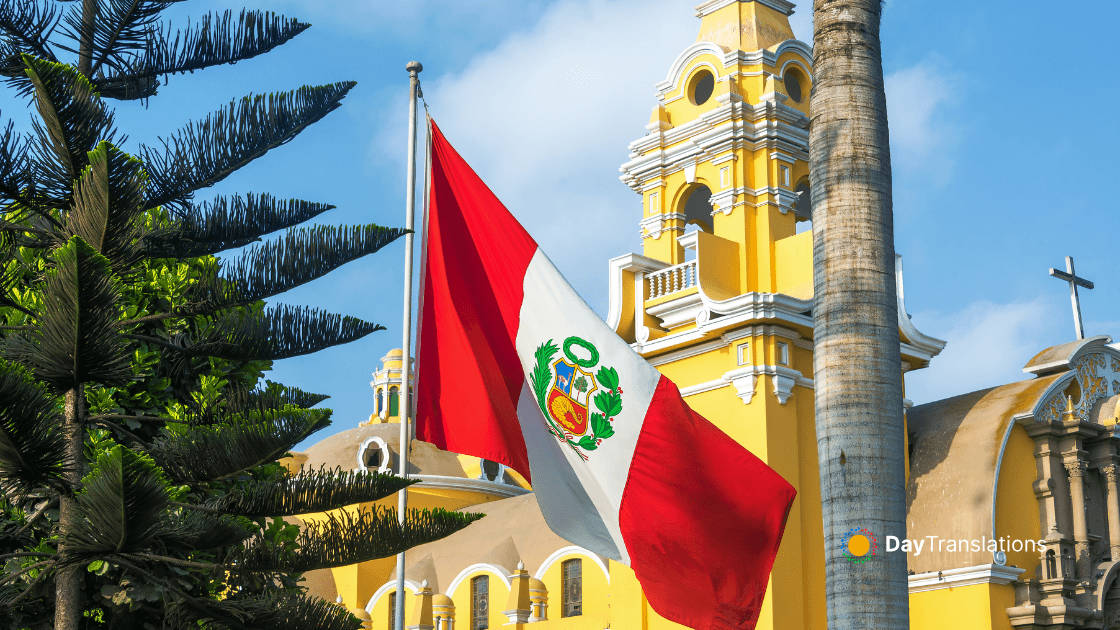
The Spanish Empire conquered the region of Peru in the 16th century and established a Viceroyalty, which included most of its South American colonies. After achieving independence in 1821, Peru has undergone periods of political unrest and fiscal crisis as well as periods of stability and economic upswing.
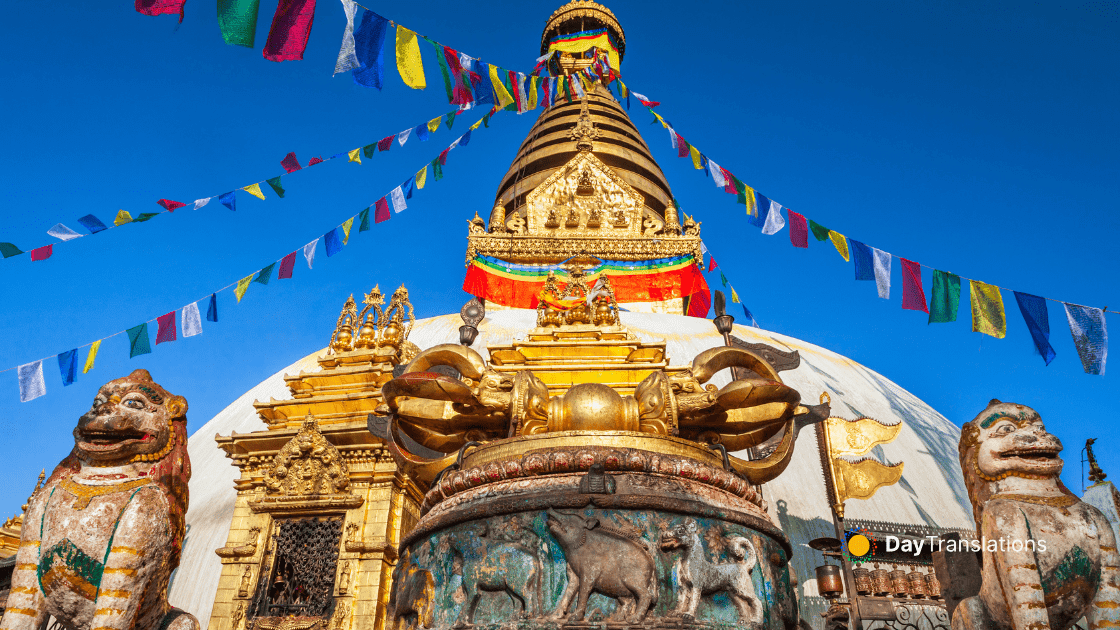
Nepal or officially the Federal Democratic Republic of Nepal is located in the Himalayas, the mountain range the separates the Tibetan Plateau from the Indian subcontinent. The Himalayan mountain range is the highest in the world and the portion along the northern part of Nepal includes Mount Everest, the highest peak in the world.
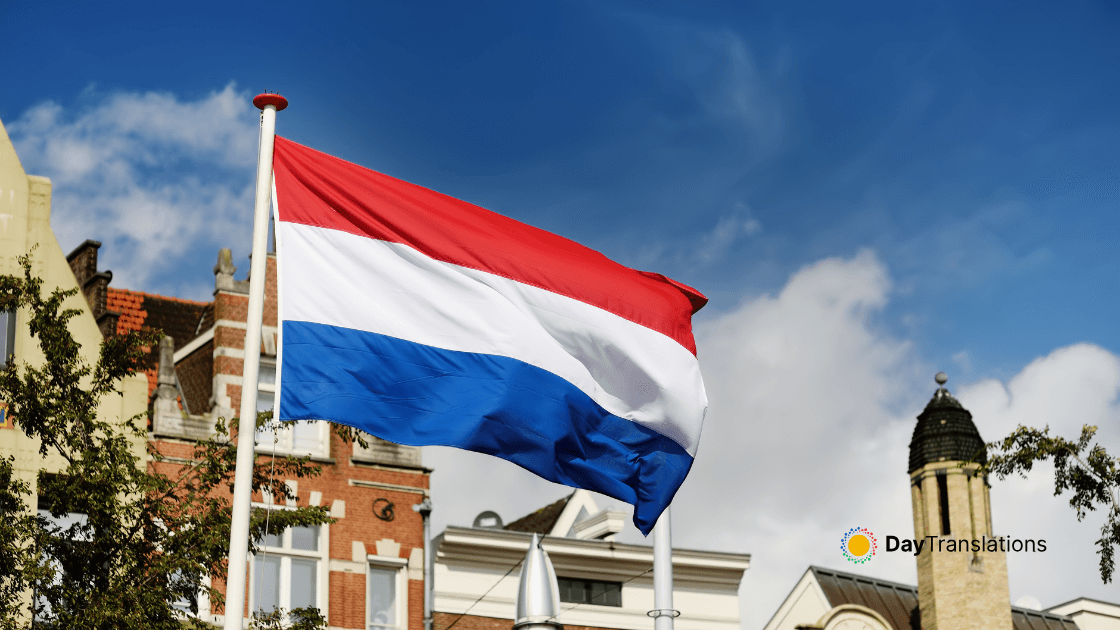
The Kingdom of the Netherlands or simply Netherlands is a fascinating country to travel to. It is a land that is heavily associated with windmills. Once there were over 10,000 windmills in the Netherlands that were erected to keep the country dry. Nowadays there are about 1,150 complete and working windmills that can still be seen in the country.
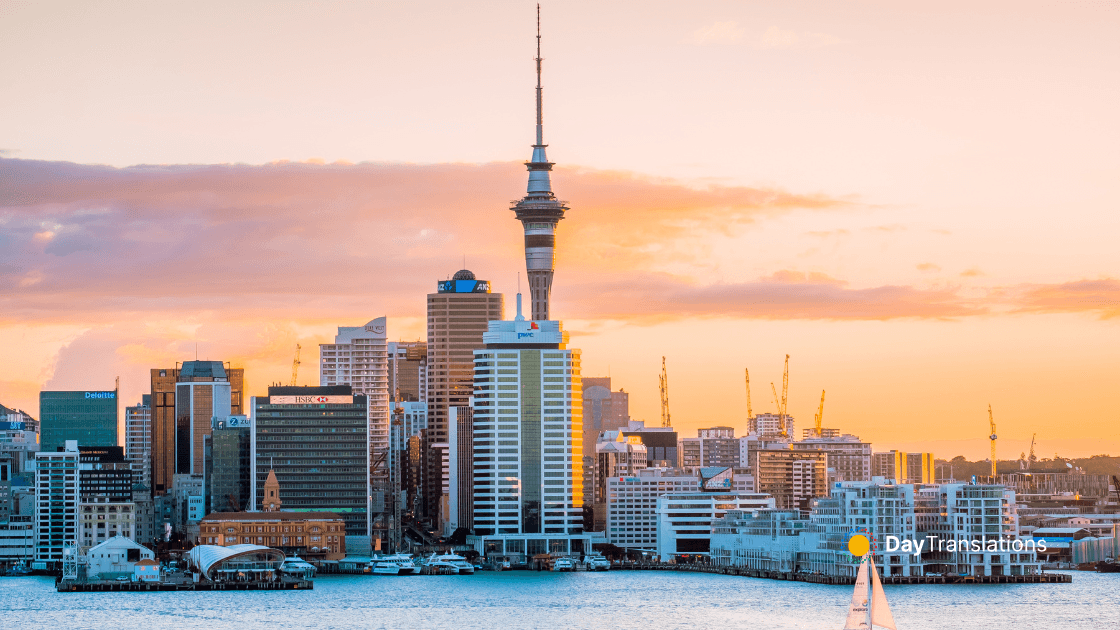
Located in the Southern hemisphere, New Zealand is one of the easternmost islands in the world. Even if Japan is called the Land of the Rising Sun, New Zealand is actually the second place where you can observe the first glimpse of the sunrise, next to Suva in Fiji.
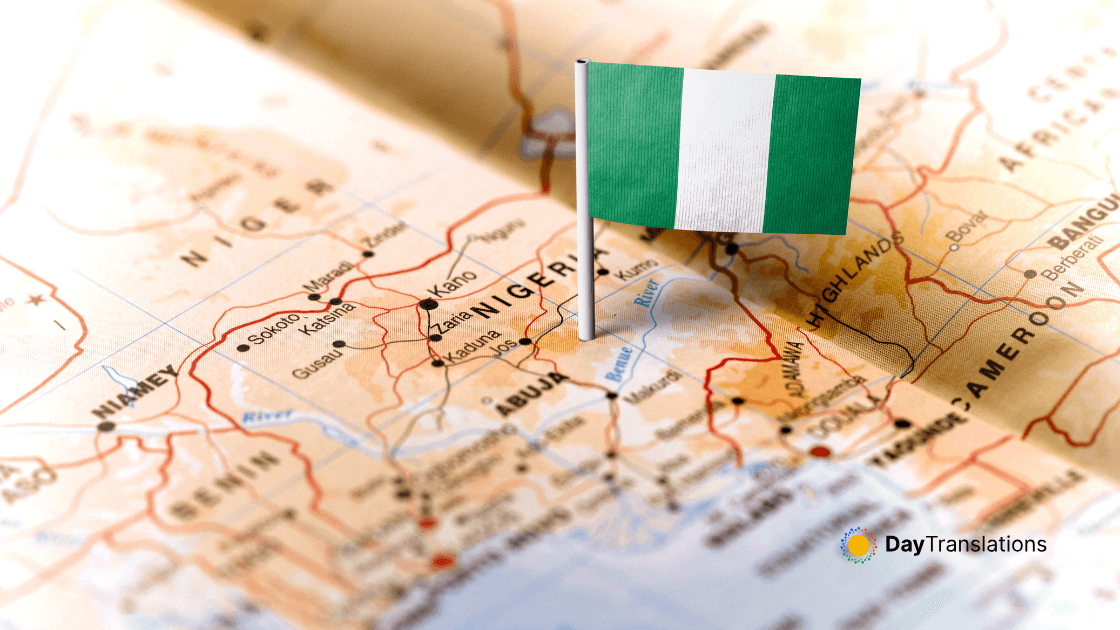
Nigeria is a regional power and is listed among the “Next Eleven” economies (a group of countries with high potential of becoming the world’s largest economies in the 21st century) and is a member of the Commonwealth of Nations and of the Organization of Petroleum Exporting Countries (OPEC).
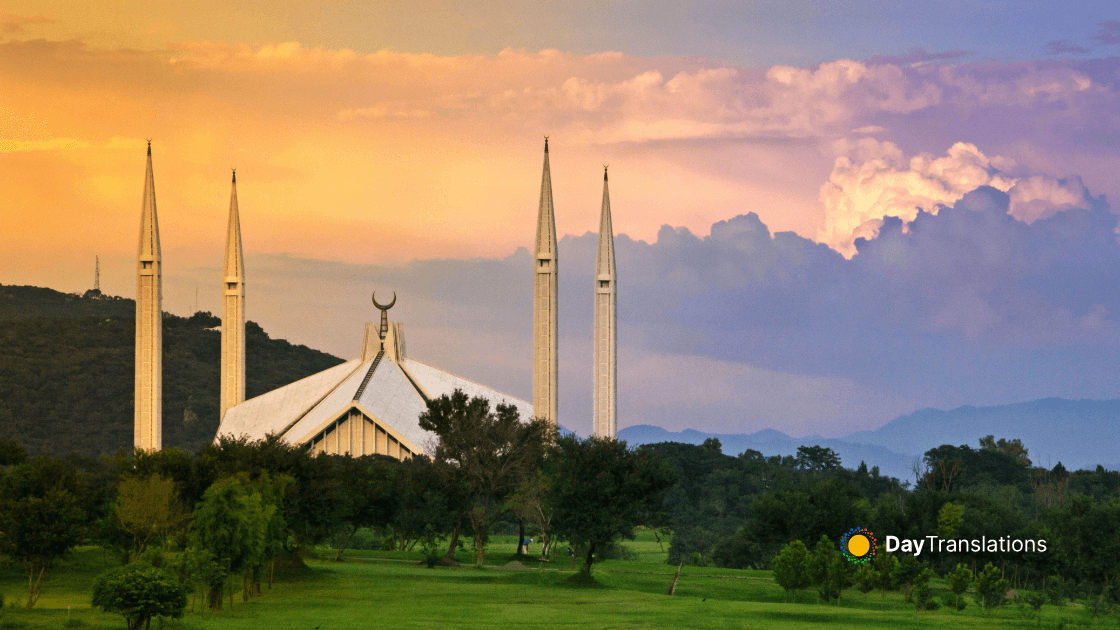
With over 170 million people, Pakistan is the sixth most populated country in the world and has the second largest Muslim population after Indonesia. It is an ethnically and linguistically diverse nation with a similar variation in its geography and wildlife.
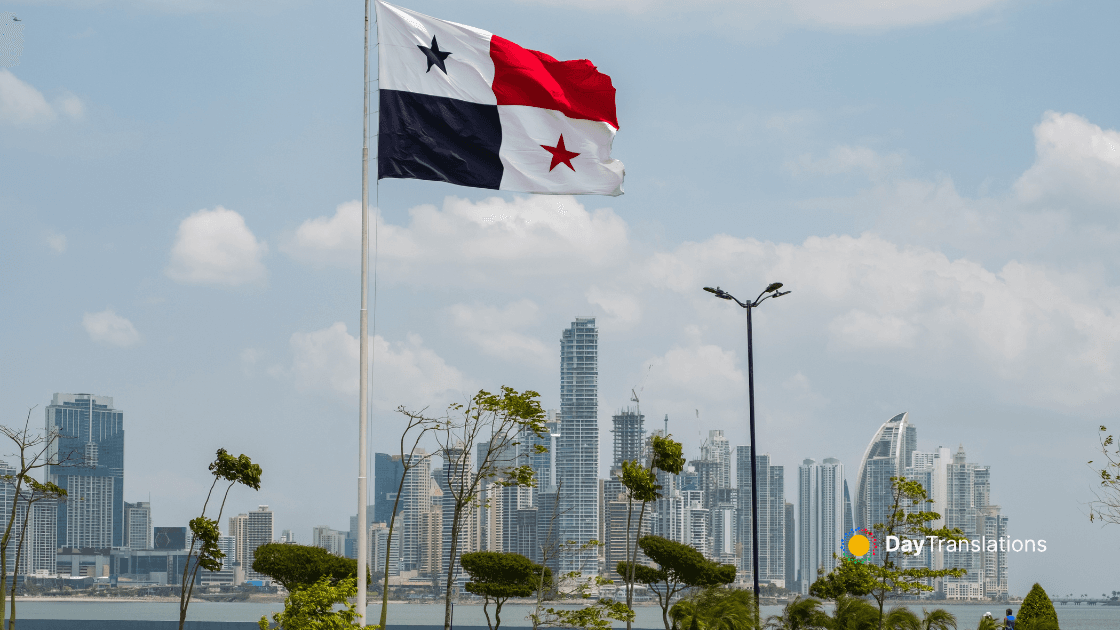
The largest consumer in central America, Panama, is bordered by Costa Rica to the north-west, Colombia to the south-east, the Caribbean Sea to the north and the Pacific Ocean to the south. It is an international commercial business center.
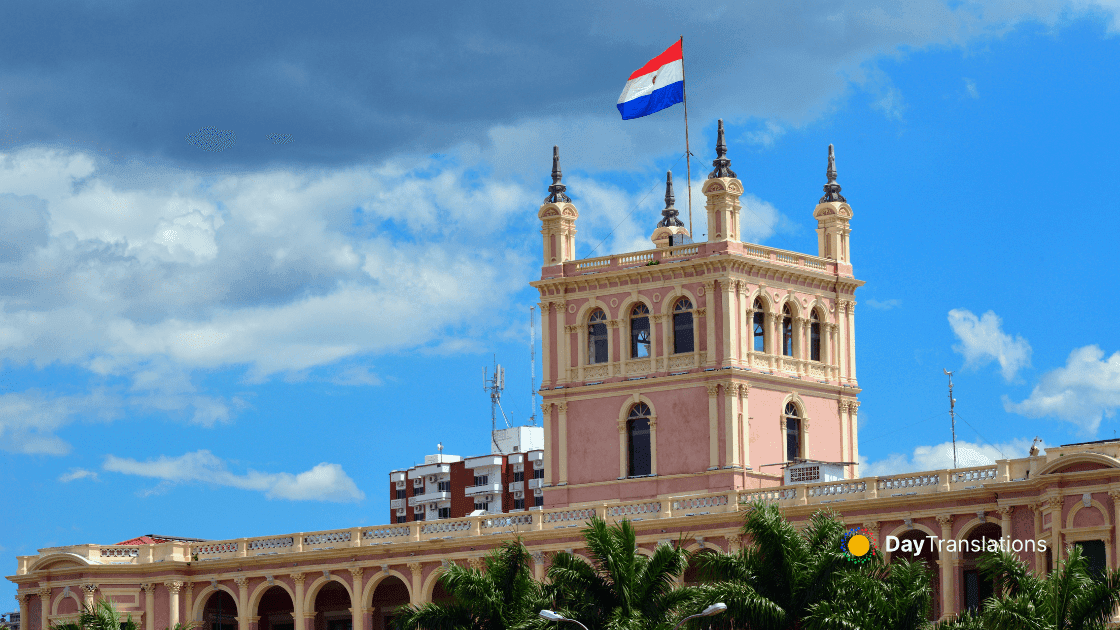
Paraguay’s capital and largest city is Asunción. The official languages are Spanish and Guaraní, both being widely spoken in the country. Up to 95% of Paraguayans are mestizos, people of mixed Spanish and Native American descent.
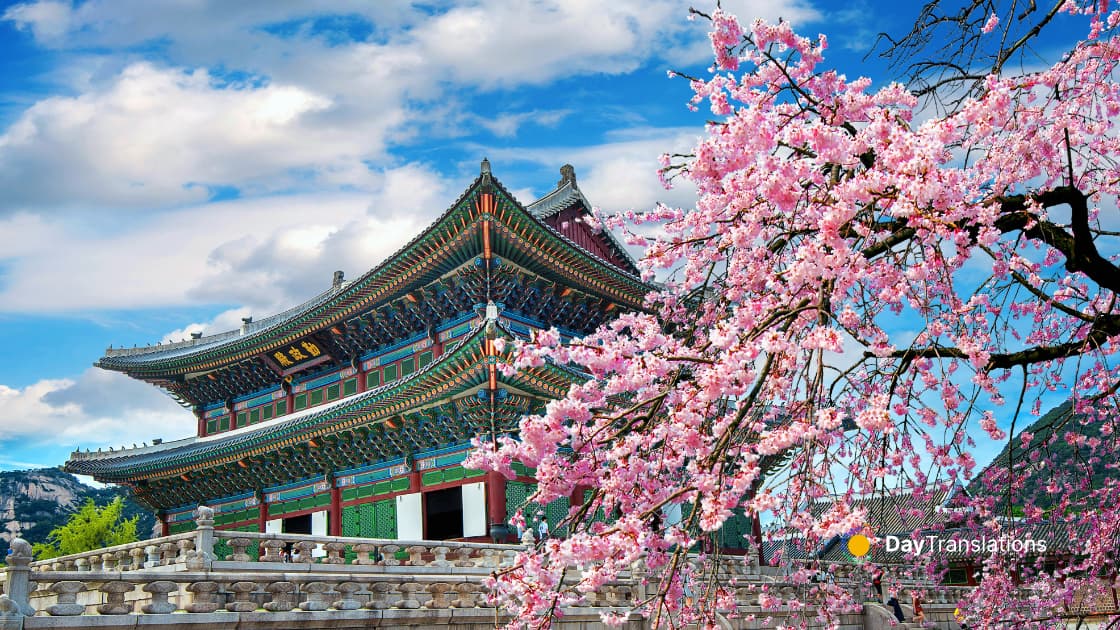
South Korea has a market economy which ranks 14th in the world by nominal GDP and 12th by purchasing power parity (PPP), identifying it as one of the G-20 major economies. It is a high-income developed country and is a member of OECD. South Korea is one of the Asian Tigers, and is the only developed country so far to have been included in the group of Next Eleven countries.
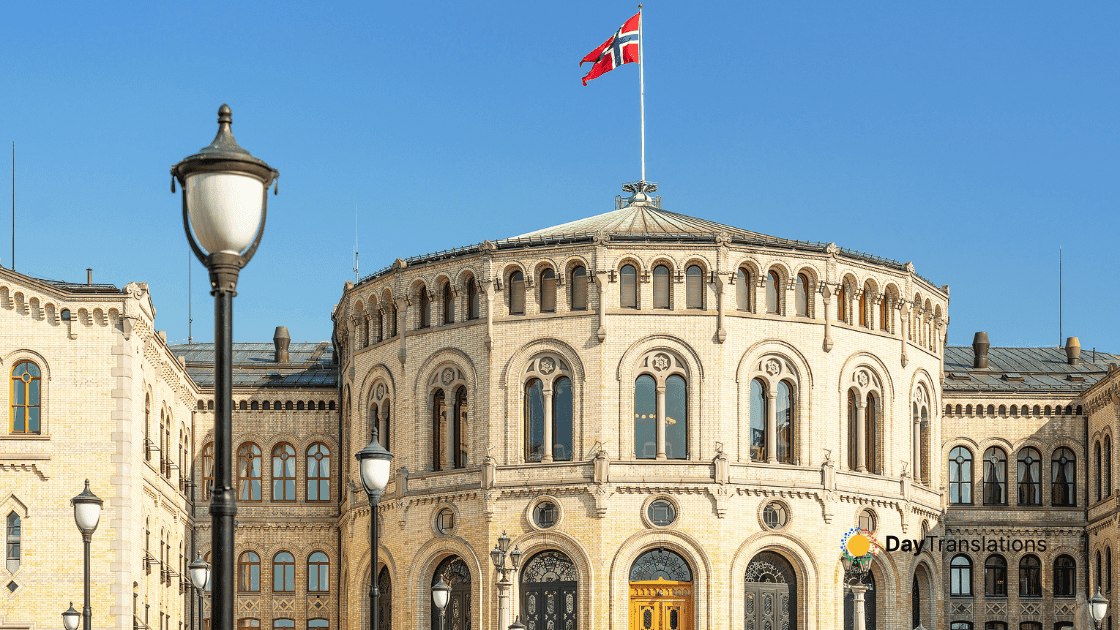
The Kingdom of Norway is a delightful place to visit, with a mix of the old and the new as well as many natural wonders that truly make Norway unique. Norway has about 4,000 fjords, with two being listed in the UNESCO World Heritage sites, the Geirangerfjord and the Nærøyfjord.
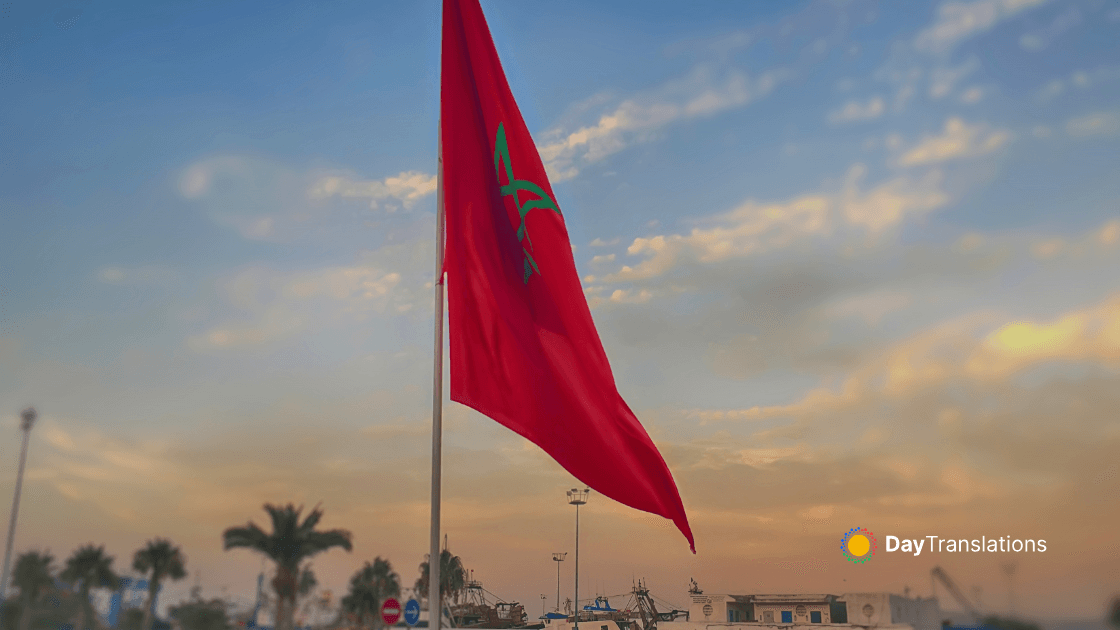
The Moroccan economy is fast growing, due to several factors. Among Morocco’s assets count the low cost and the high quality of labour force. Morocco is a leader in turning its phosphate resources into chemicals and fertilizers that are in demand around the globe.
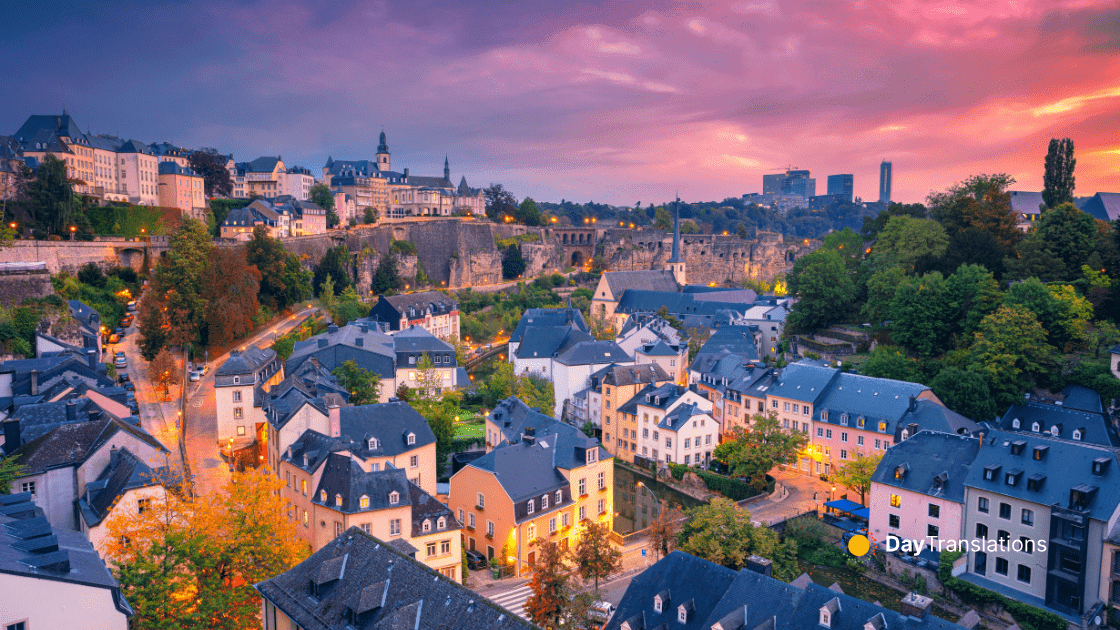
Luxembourg has a very long history that extends as far back as 963. While it is now a small independent nation, it is very economically stable, with the nation’s finances coming from its iron ore exploration and subsequent steel industry.
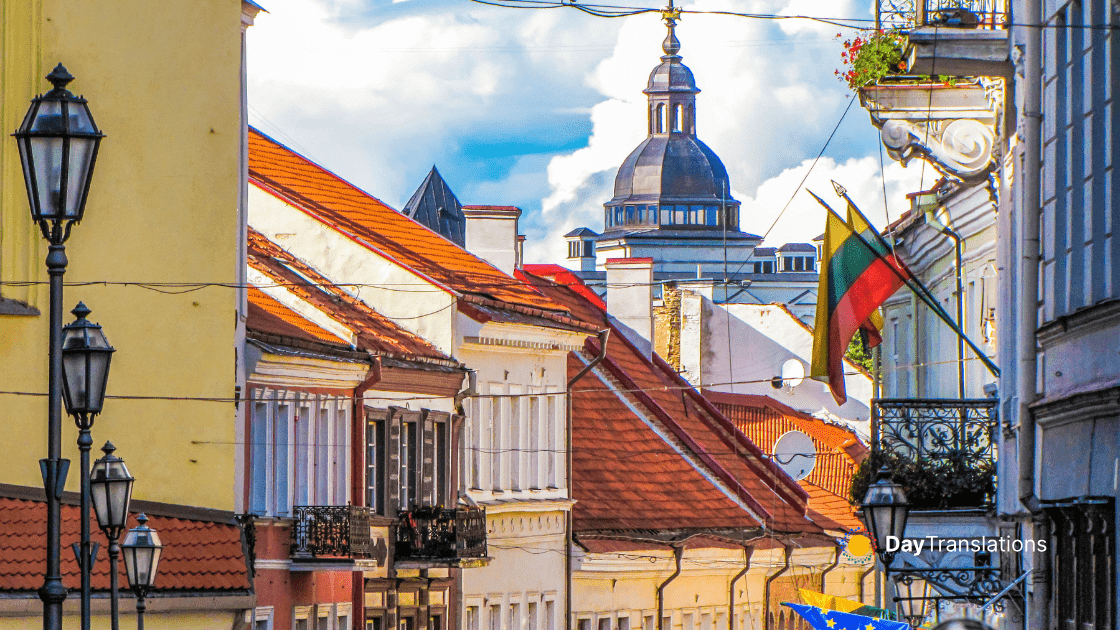
The Republic of Lithuania as it is officially called is part of Northern Europe and the largest of the three Baltic States. It was the largest country in Europe in the 14th century, called the Grand Duchy of Lithuania and comprise Ukraine, present-day Belarus, Lithuania and Latvia as well as parts of Russia, Poland, Moldova and Estonia.
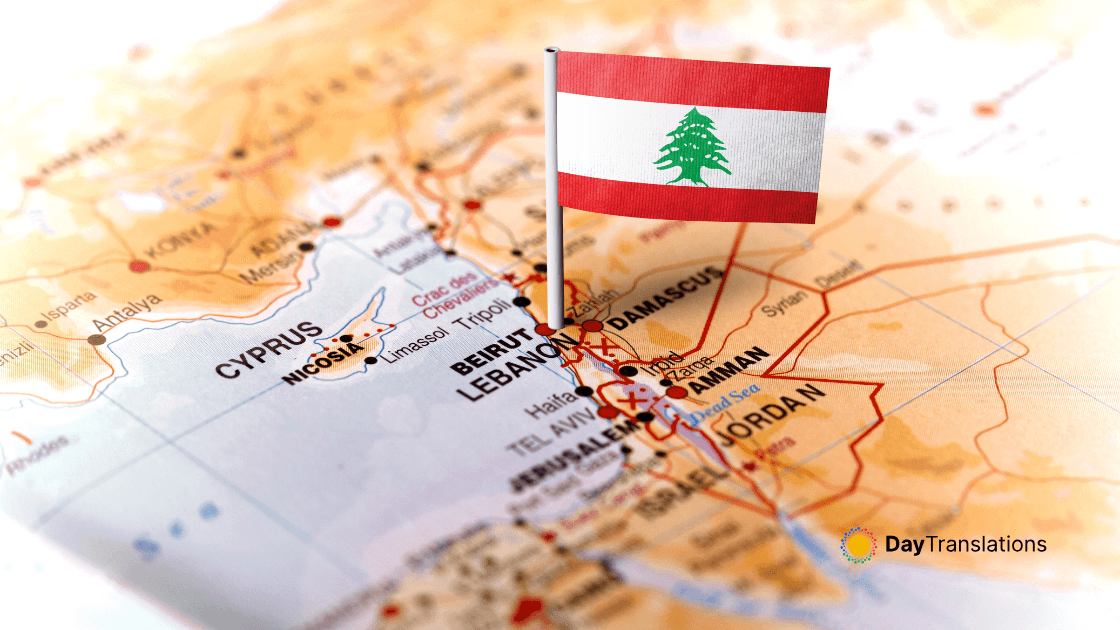
Lebanon is located in the Middle East, bordering the Mediterranean Sea, between Israel and Syria. The majority of Lebanese people speak Lebanese Arabic, and sometimes French or English. Lebanese people of Armenian or Greek descent often speak Armenian or Greek fluently.
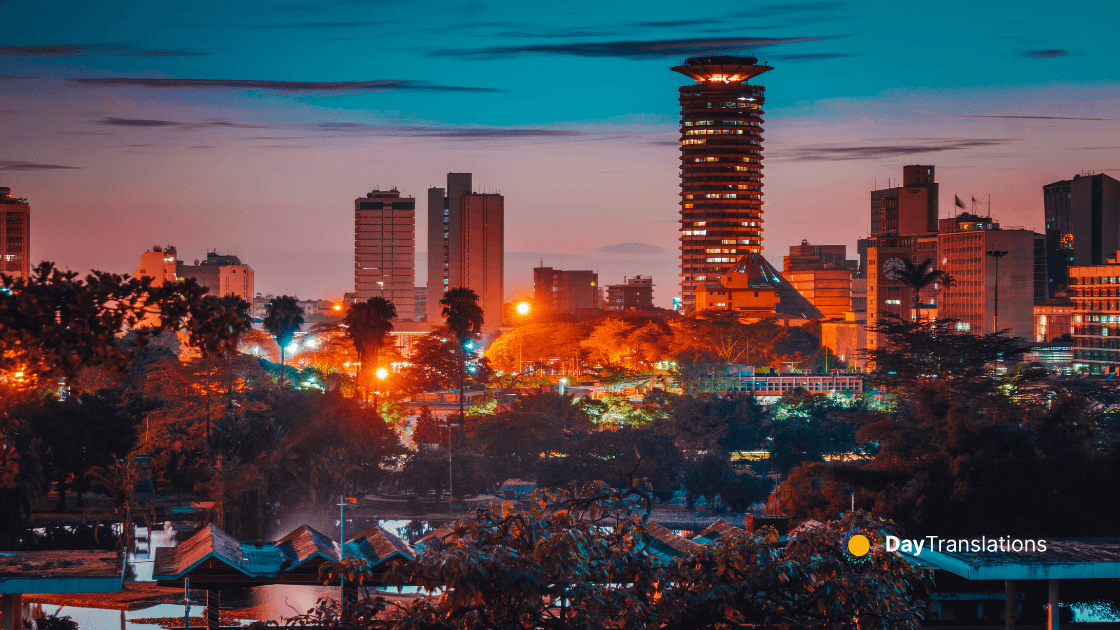
Kenya is one of the most well known countries in Africa and is often associated with going on safari, because it is here that the Big Five animals of Africa could be easily found.
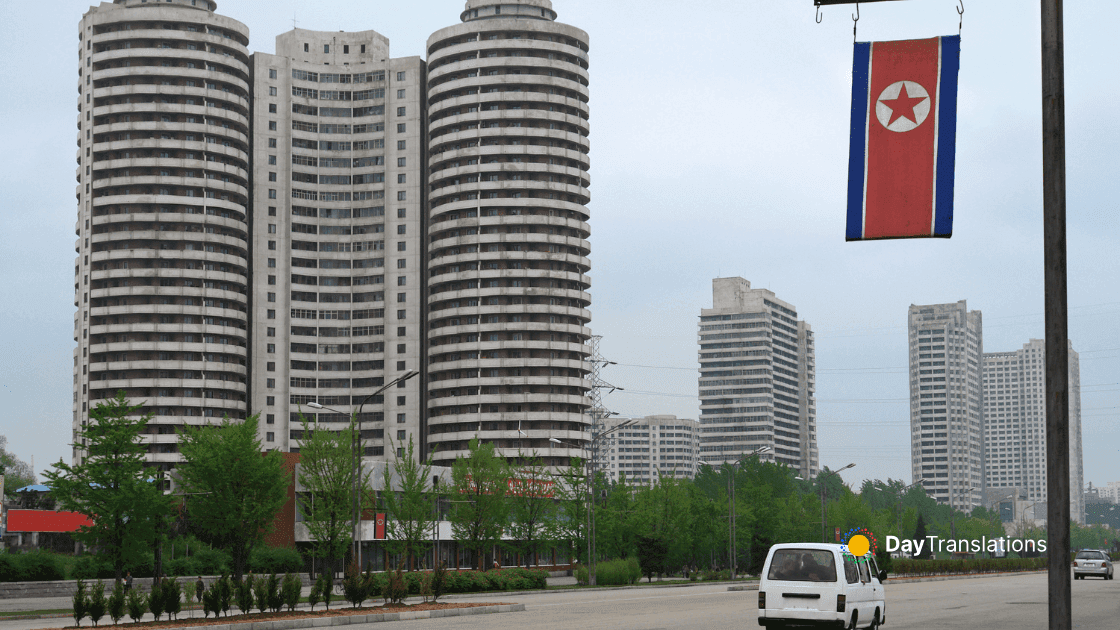
The Democratic People’s Republic of Korea (DPRK), commonly known as North Korea, is located on the northern portion of the Korean Peninsula. Its capital and largest city is Pyongyang.
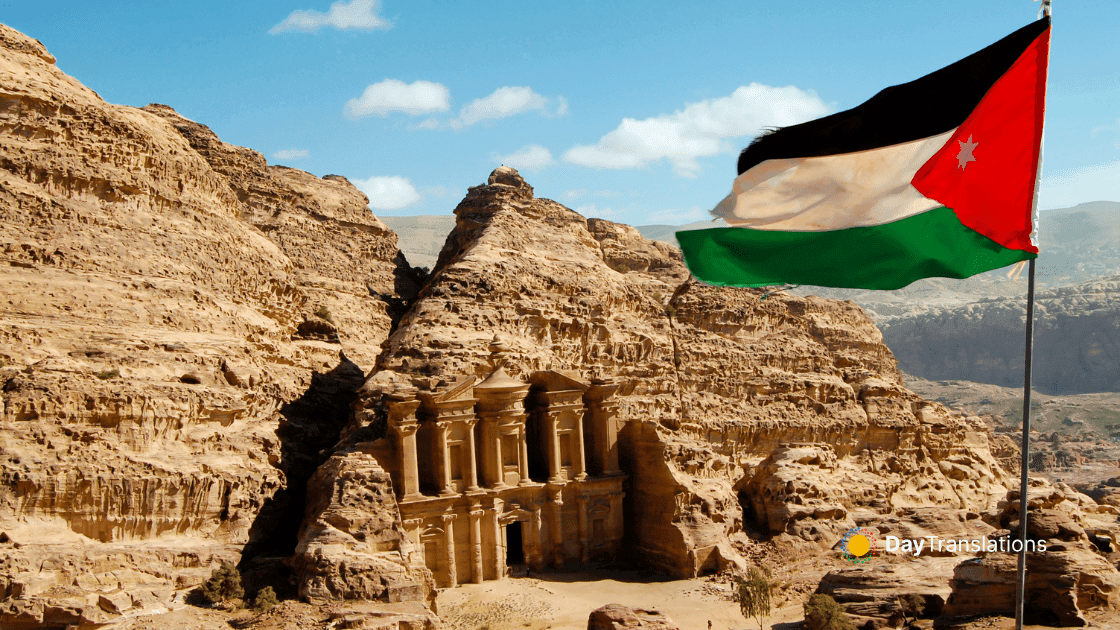
During its history, Jordan has seen numerous civilizations, including those of the Ancient Near East with the Canaanite and later otherSemitic peoples such as the Edomites, and the Moabites.
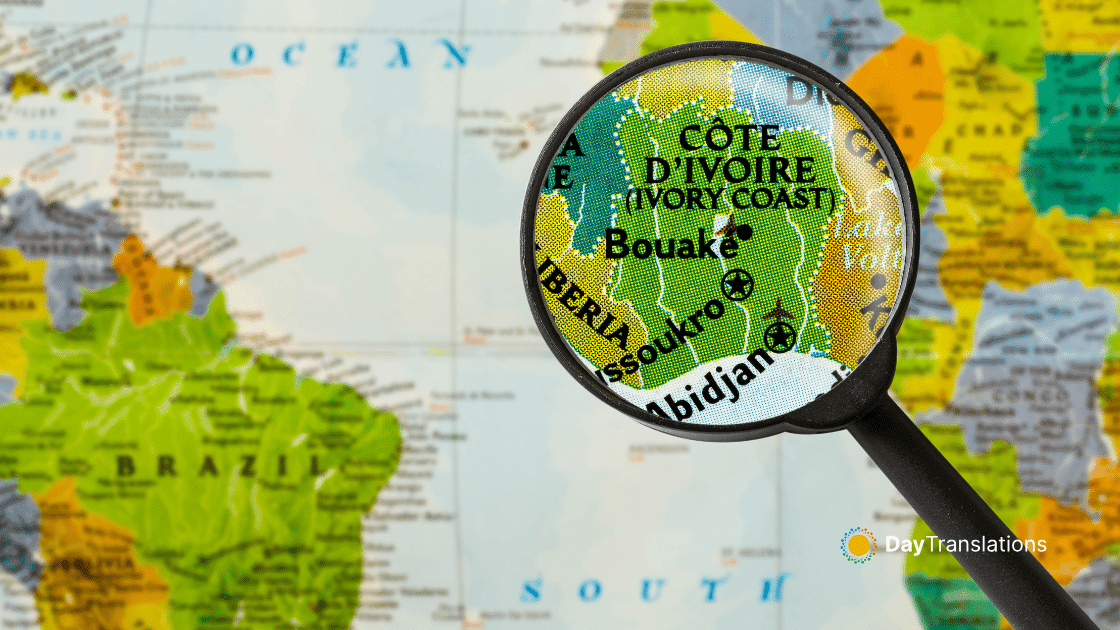
The Republic of Cote d’Ivoire, commonly known in English as Ivory Coast, is a country in West Africa. Prior to its colonization by Europeans, Cote d’Ivoire was home to several states, including Gyaaman, the Kong Empire, and Baoulé.
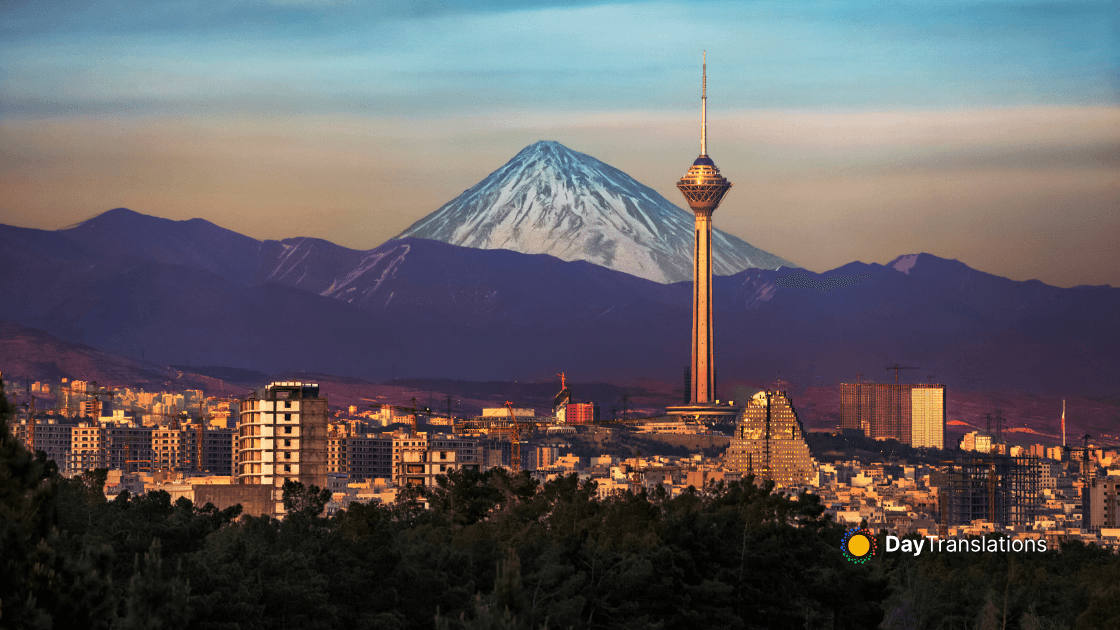
Known as Persia until 1935, Iran became an Islamic republic in 1979 after the ruling monarchy was overthrown and the shah was forced into exile.
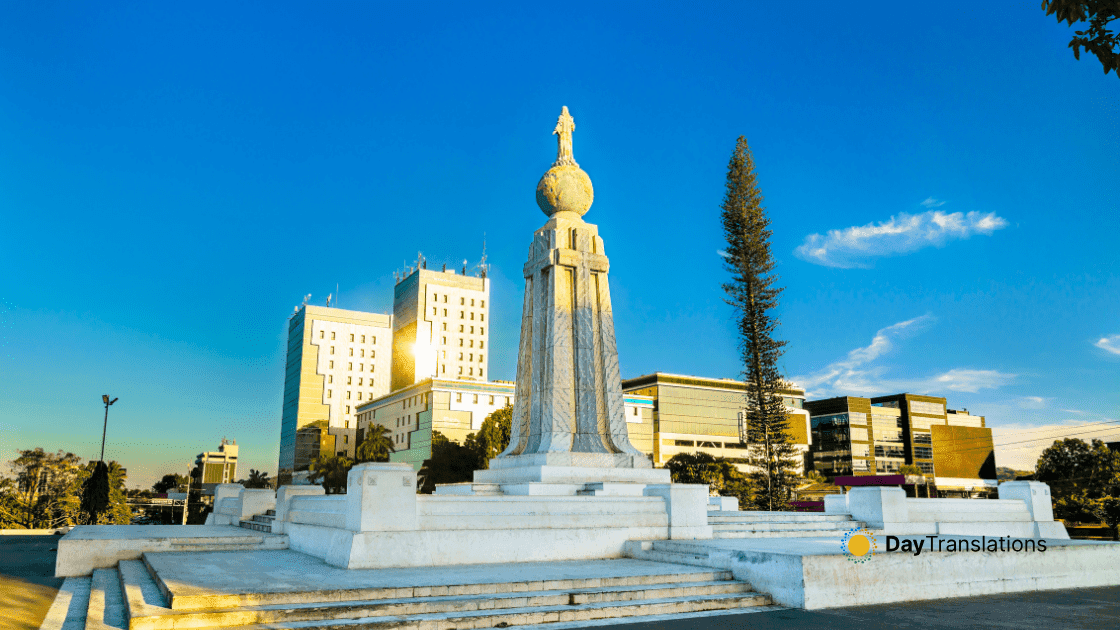
El Salvador has a true rainforest, the Montecristo National Park that is forever covered in mist and clouds. Such areas are getting extremely rare and in this park you will be greeted by air plants, giant ferns and cool areas that have never been touched by sunlight.
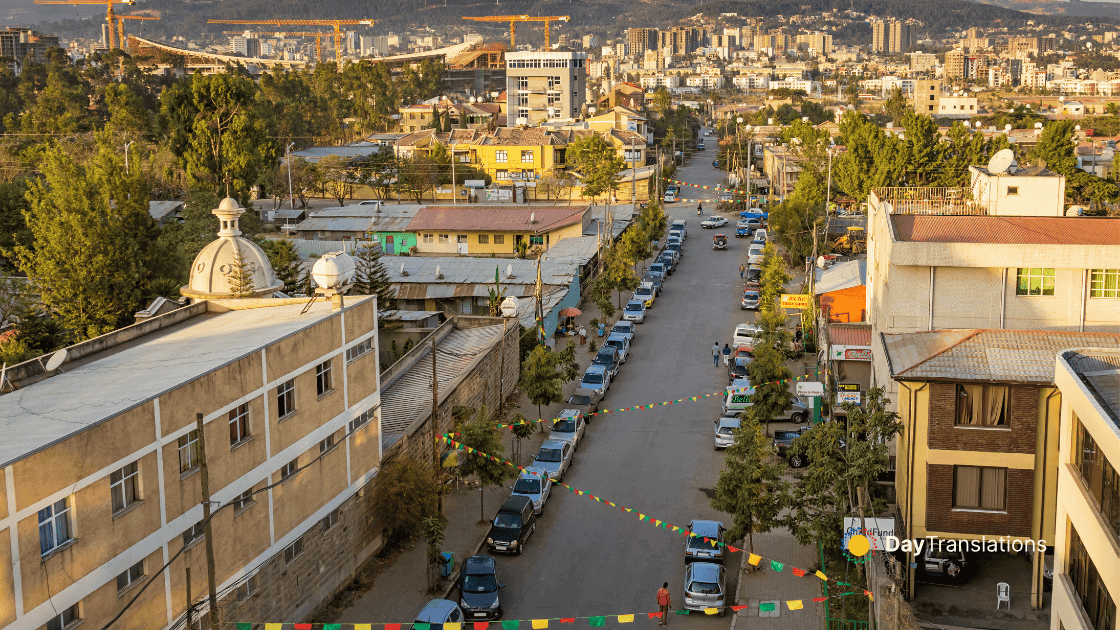
Ethiopia is the only country in Africa that had maintained its independence in the course of its history. There was a short period though, about five years, when the country was occupied by Italy in 1936 up to 1941.
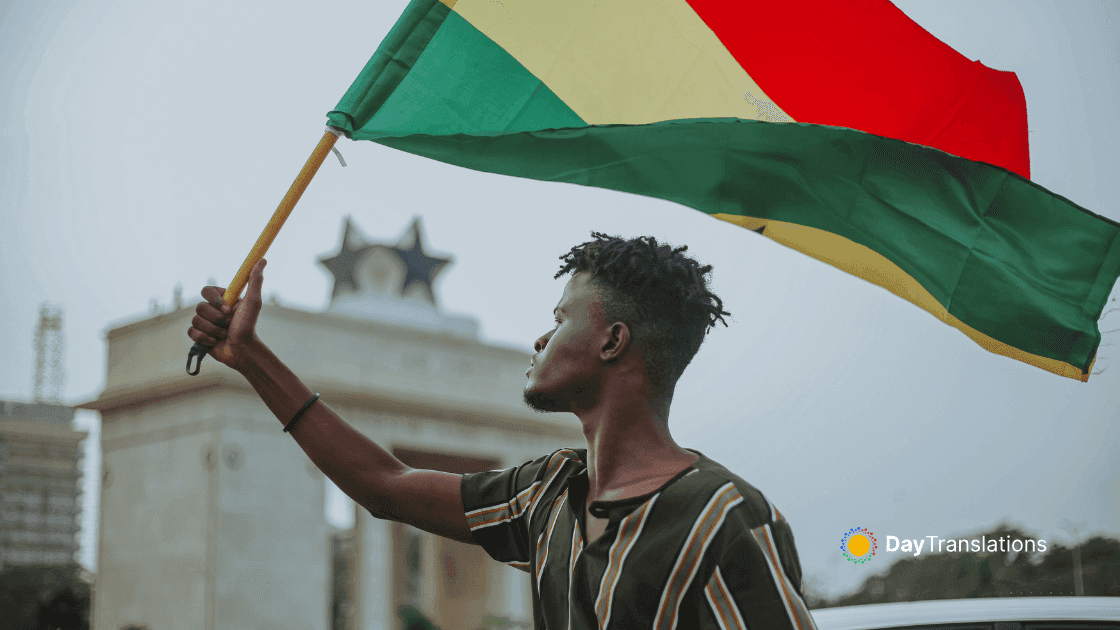
Well endowed with natural resources, Ghana has more than twice the per capita output of the poorer countries in West Africa. Known for its gold in colonial times, Ghana remains one of the world’s top gold producers.
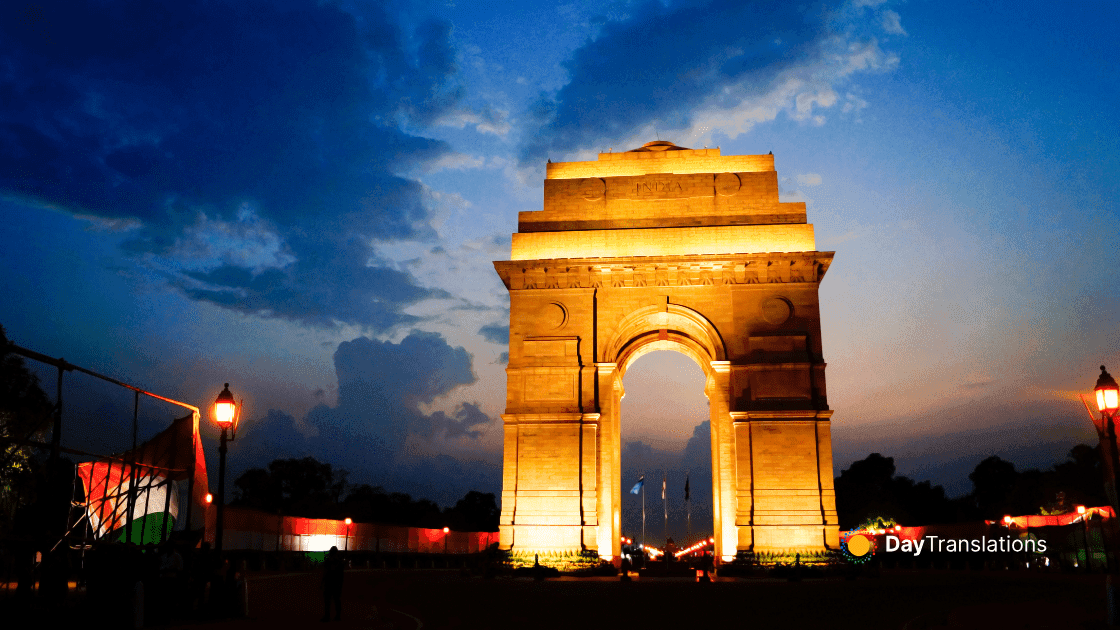
India is the seventh-largest country by geographical area, the second-most populous country with over 1.2 billion people, and the most populous democracy in the world.
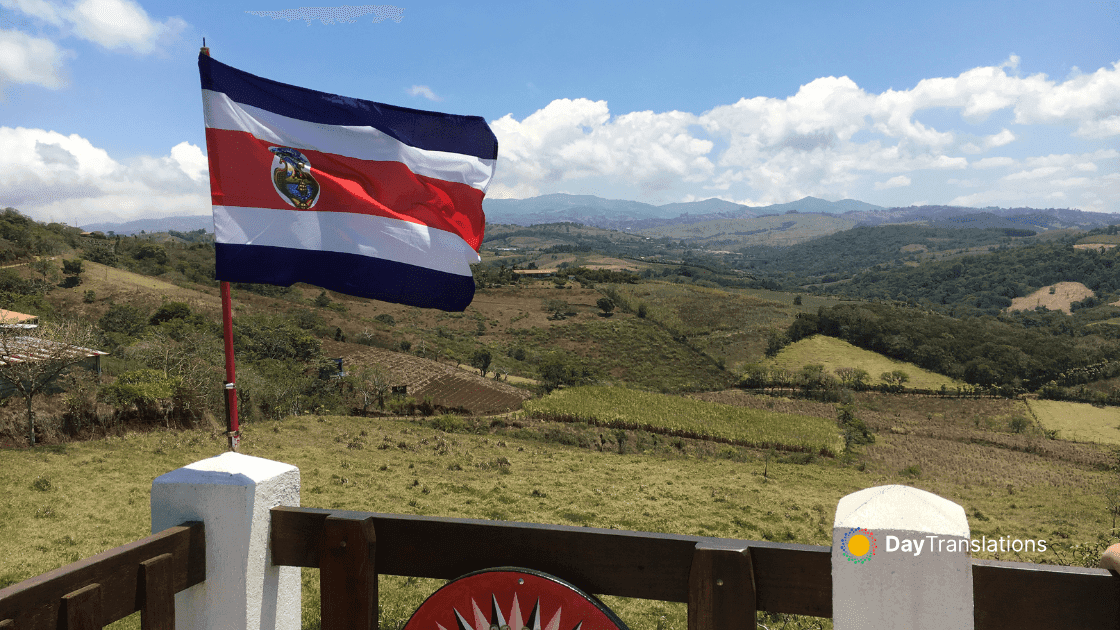
Costa Rica is the only Latin American country included in the list of the world’s 22 older democracies. Costa Rica has consistently been among the top Latin American countries in the Human Development Index.
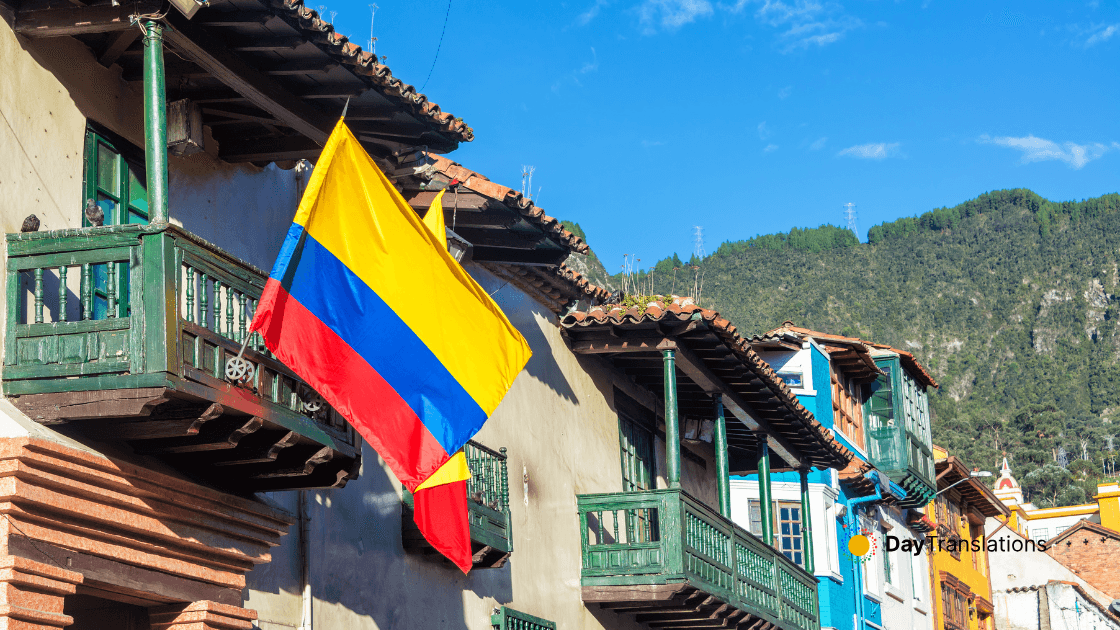
Colombia is a large and diverse country with a wide array of terrains, cultures, languages. The diverse land of Colombia consists of beaches, the Andes Mountains, deserts to the east, many waterfalls, and of course, the Amazon jungle.
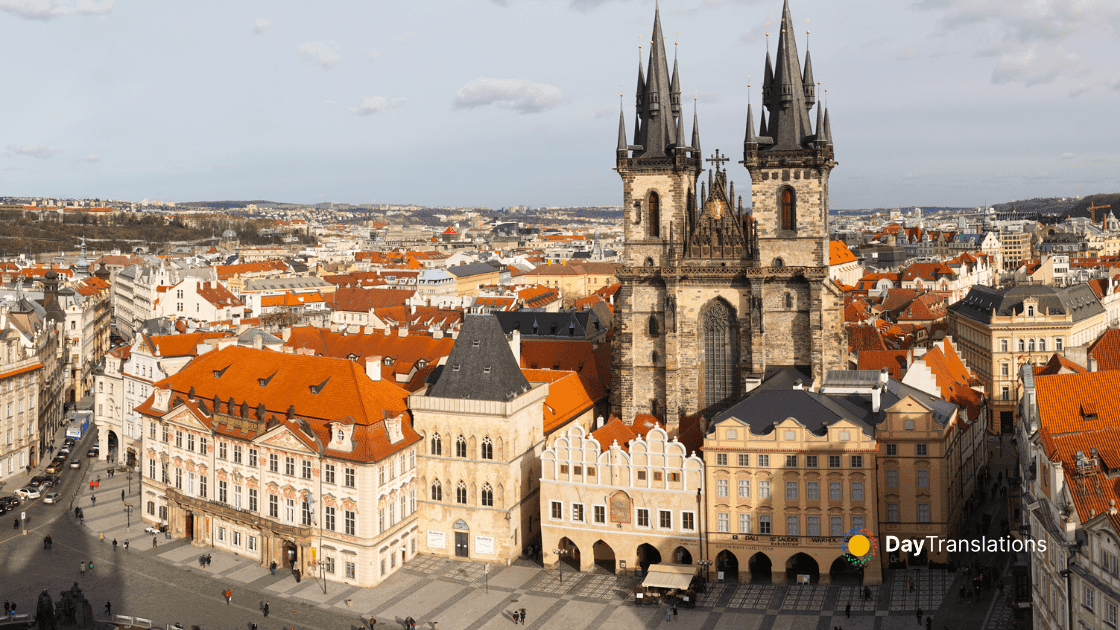
The Czech Republic is a landlocked country in Central Europe. The country borders Poland to the northeast, Germany to the west and northwest, Austria to the south and Slovakia to the east.
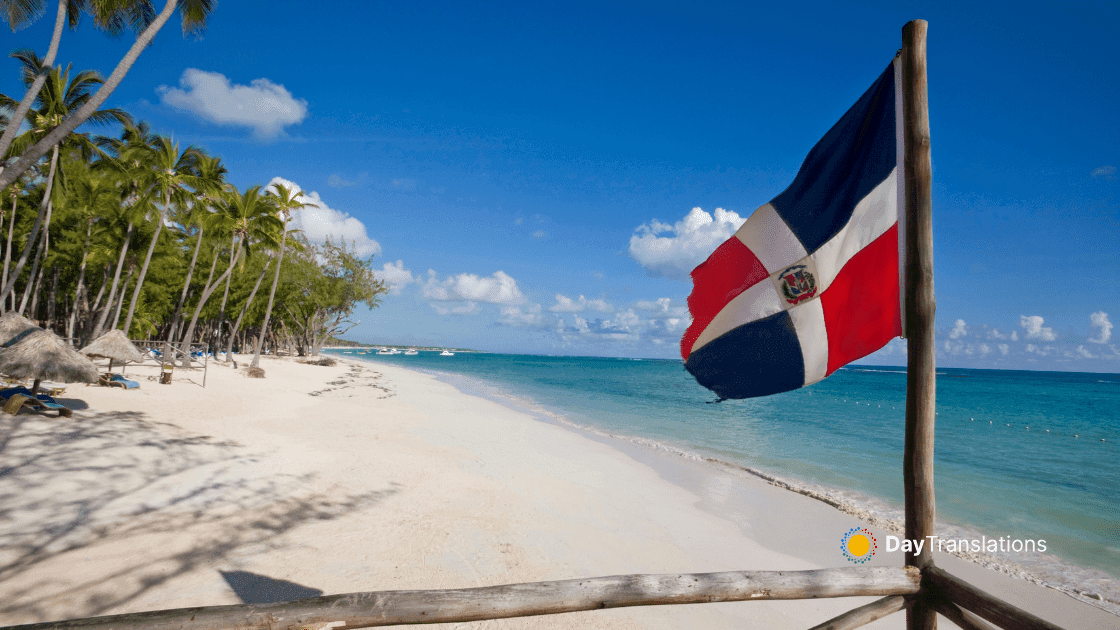
Dominican Republic is generally composed of mixed races, mostly originating from Africa and Europe. The intermingling of culture is evidenced in art, literature and architecture.
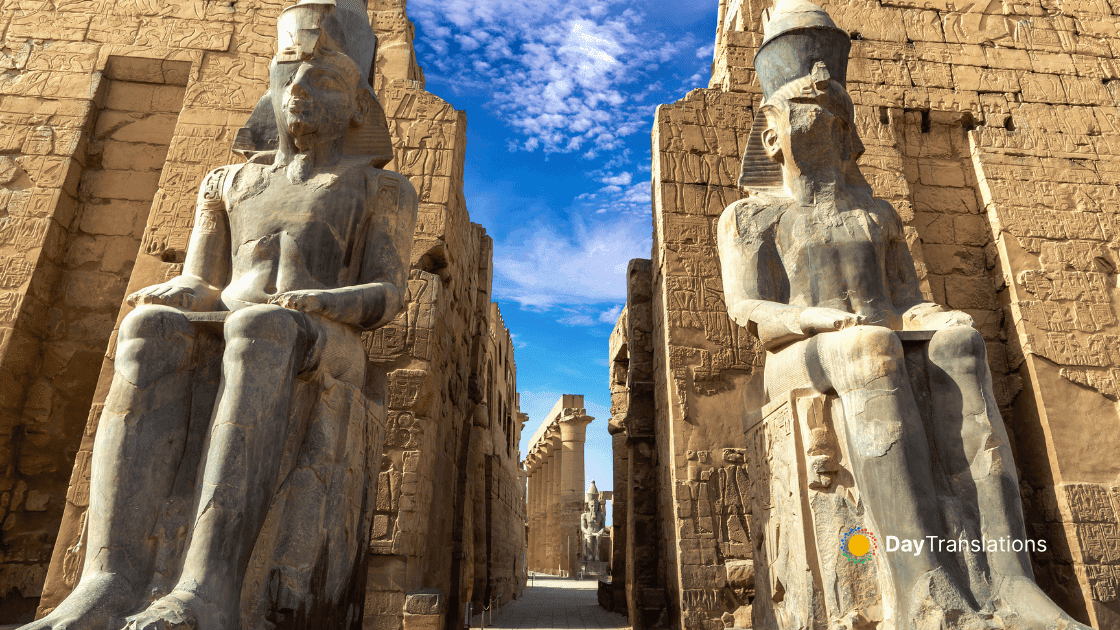
The regularity and richness of the annual Nile River flood, coupled with semi-isolation provided by deserts to the east and west, allowed for the development of one of the world’s great civilizations. A unified kingdom arose circa 3200 B.C., and a series of dynasties ruled in Egypt for the next three millennia.
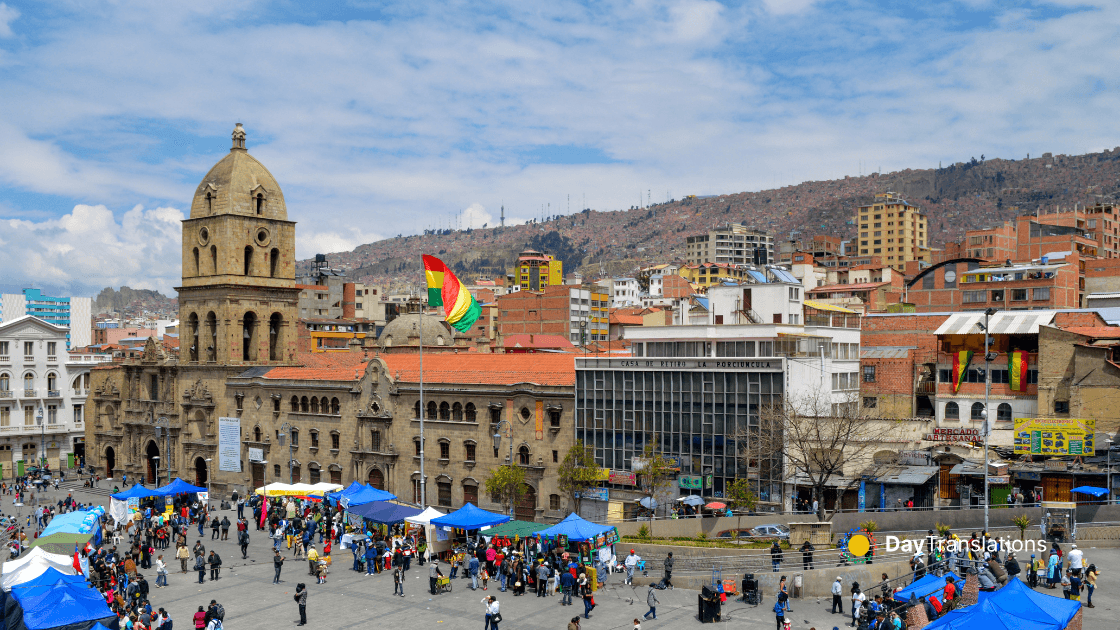
Prior to European colonization, the Andean region of Bolivia was a part of the Inca Empire – the largest state in Pre-Columbian America. The Spanish Empire conquered the region in the 16th century.
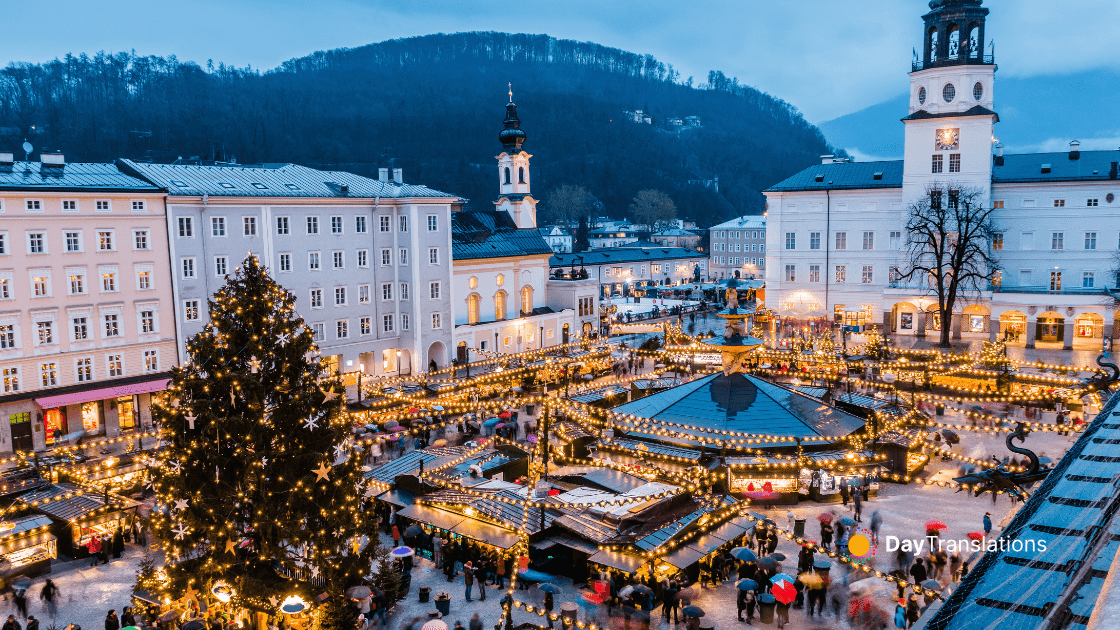
The origins of Austria date back to the time of the Roman Empire when a Celtic kingdom was conquered by the Romans in approximately 15 BC and later became Noricum, a Roman province, in the mid 1st century AD – an area which mostly encloses today’s Austria.
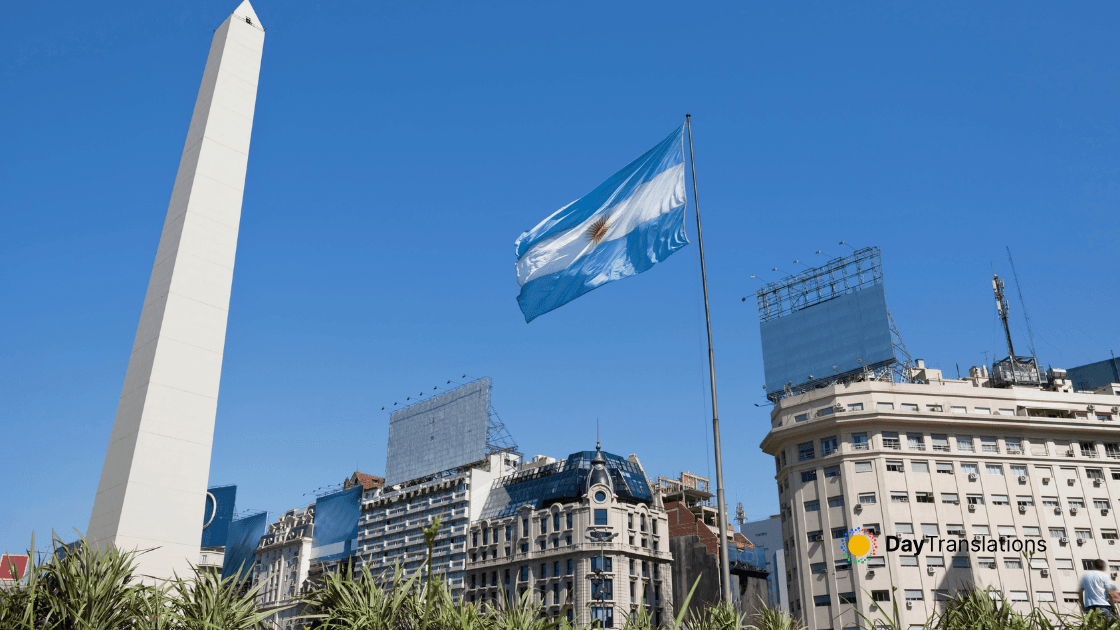
Argentina is the second largest country in South America by land area, and eighth in the world. Also, most of Argentina’s population is of European origin – Spanish, Italian, British, French, and German.
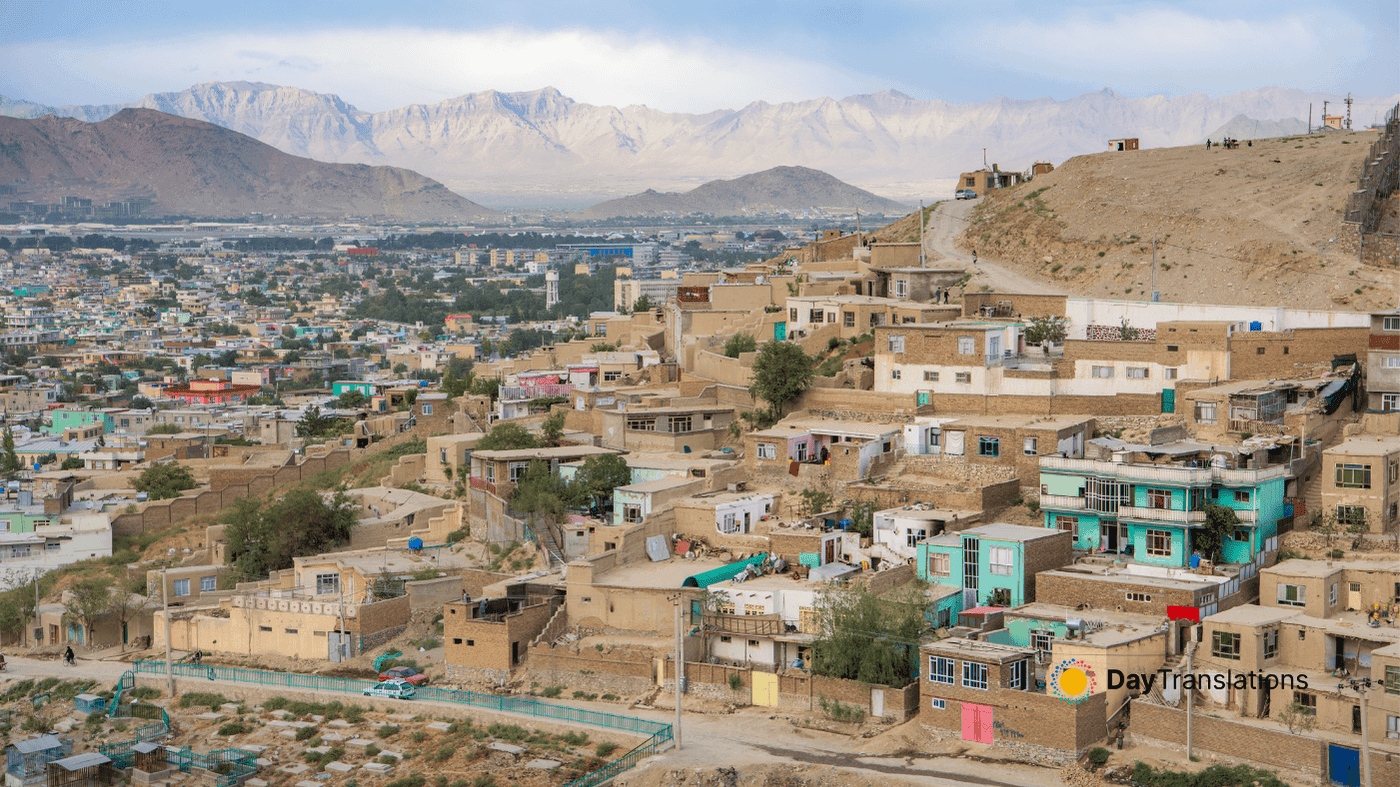
Afghanistan is in a very strategic position in the Middle East and for this reason has experienced a lot of turbulence in its long history, with several world powers and neighboring countries wanting to take control of it.
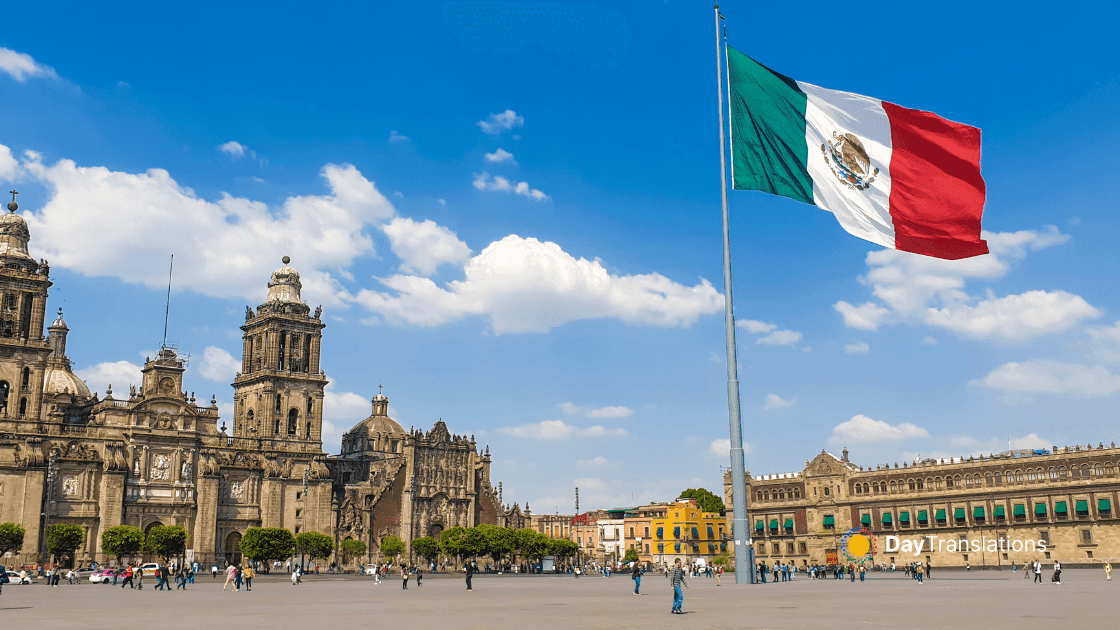
Mexico is situated south of the United States on the North American continent, Mexico borders the Caribbean Sea, the Gulf of Mexico, between Belize and the US and the North Pacific Ocean, between Guatemala and the US.
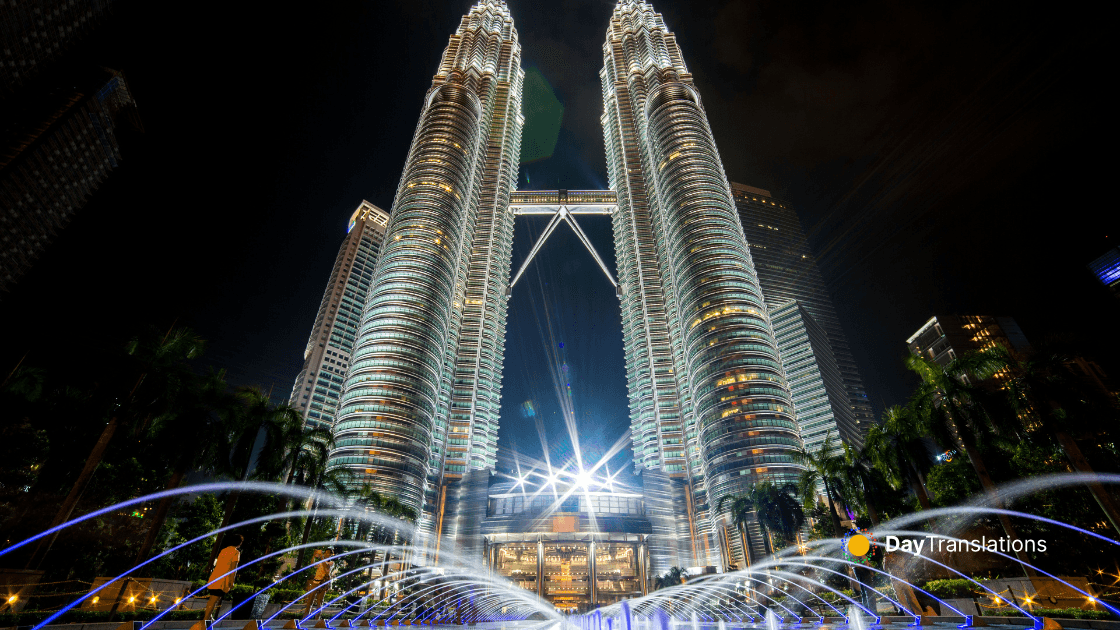
Malaysia is a very colorful country in Southeast Asia, very culturally diverse due to the different influences from its indigenous people, the Malays, the generations of Chinese traders that made Malaysia their home and the Indians and other ethnic groups whose cultural influences shaped the Malaysia that we know today.
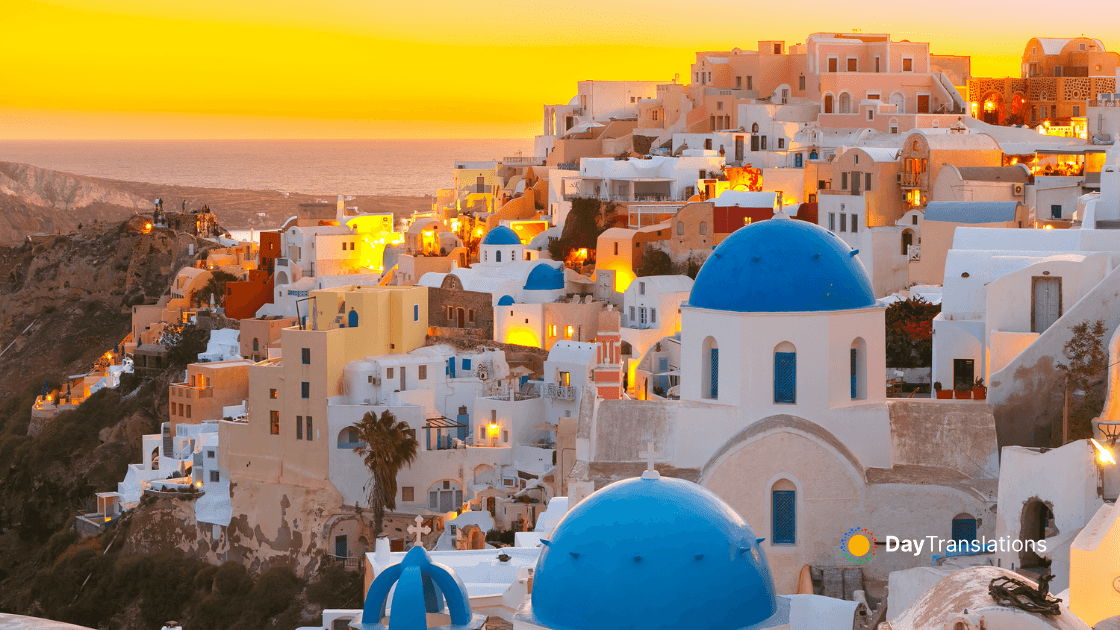
Greece or officially the Hellenic Republic is a country with a very colorful, classical and turbulent past. It is rich in cultural heritage, being one of the ancient civilizations that passed centuries of hardships and triumphs…
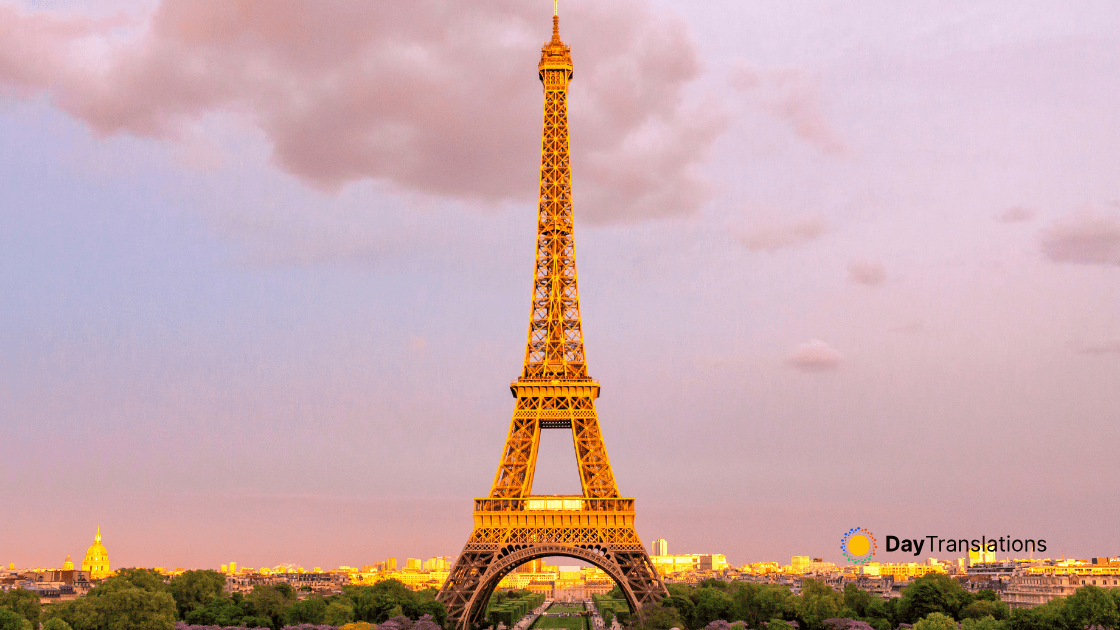
France lies on the western edge of the continent of Europe and it is the second-largest country on the continent. France is bounded on the North by the North Sea and Belgium, it shares borders with Luxembourg, Germany, on the East with Switzerland, Italy Monaco, on the South West with Andorra, and Spain.
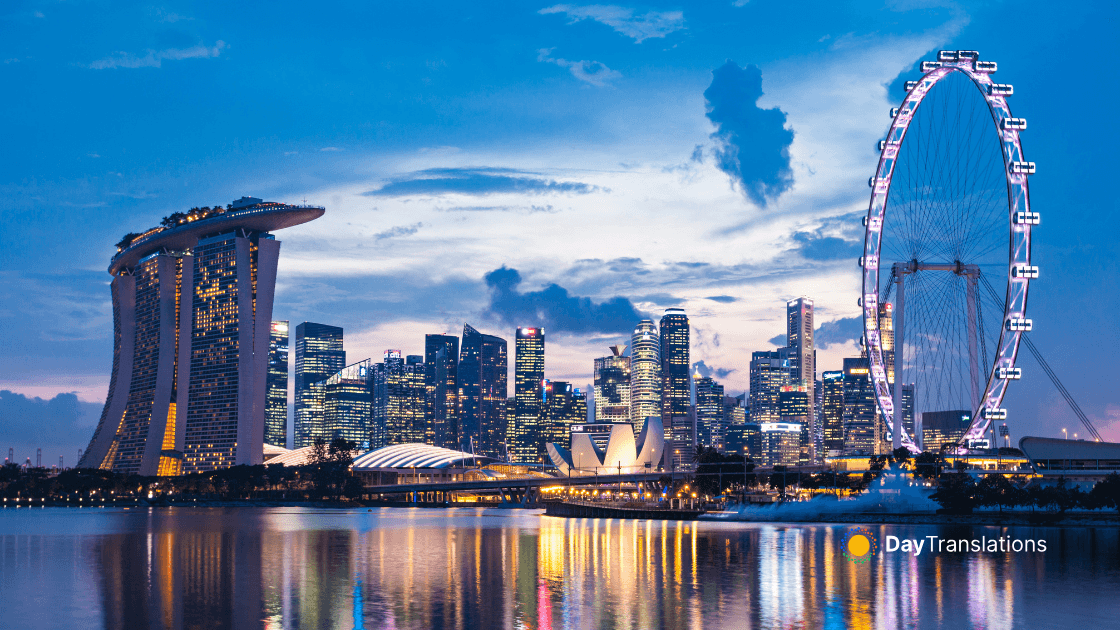
Singapore was under British rule and was established as a trading colony of the British in 1819. It joined the Malaysian Federation briefly in 1963 but became independent after two years. It is a very busy nation and has become a center of commerce due to its strategic location as a major international seaport.
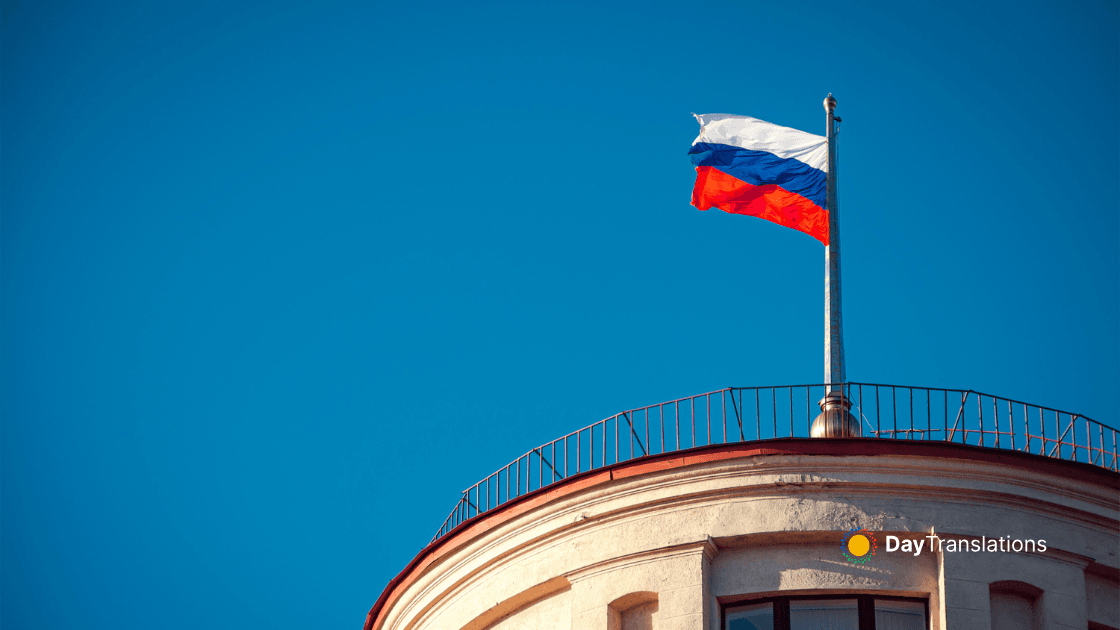
Founded in the 12th century, the Principality of Muscovy, was able to emerge from over 200 years of Mongol domination (13th-15th centuries) and to gradually conquer and absorb surrounding principalities. In the early 17th century, a new Romanov Dynasty continued this policy of expansion across Siberia to the Pacific.
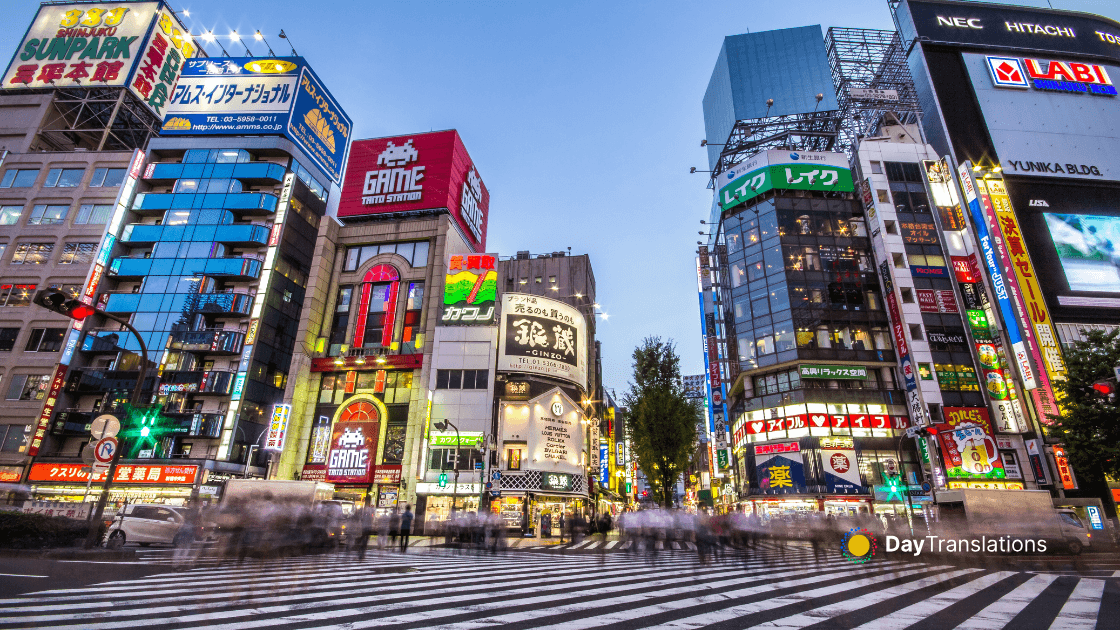
Japan comprises over 3,000 islands making it an archipelago. The major languages include: Japanese, Korean, and Okinawan. A few minor languages are: Kikai, Kunigami, Oki-No-Erabu, and Yonagami. Japanese is the sixth most spoken language in the world, with over 99% percent of the country’s population using it.
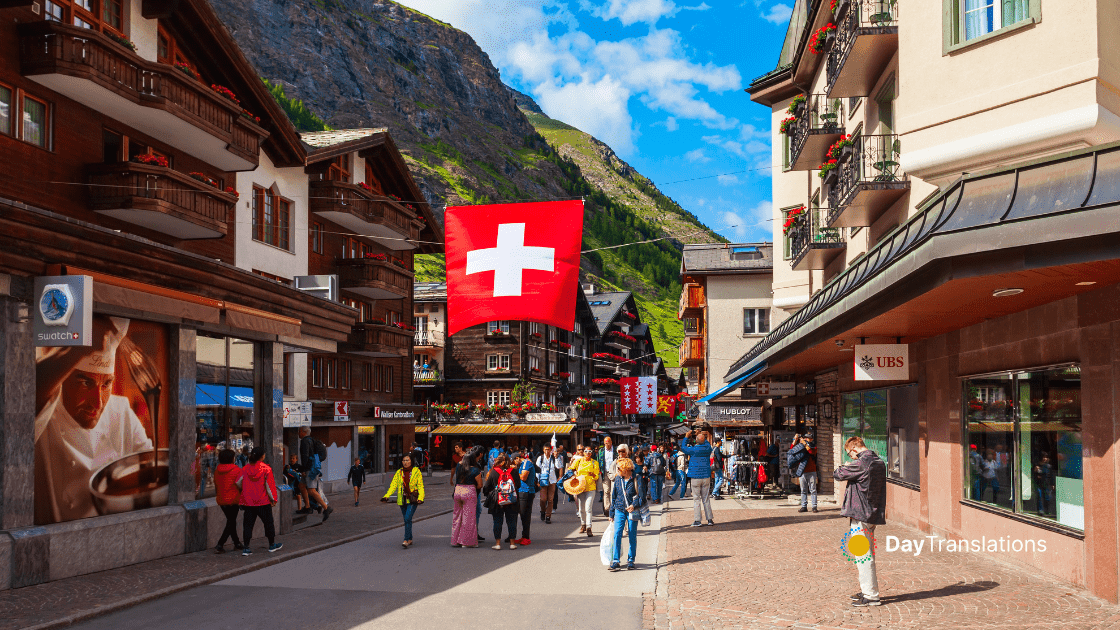
Switzerland, officially called Swiss Confederation retains its Latin name Confoederatio Helvetica, from the Latin word Helvetier. It is the name given to the group of people living in the area that became Switzerland.
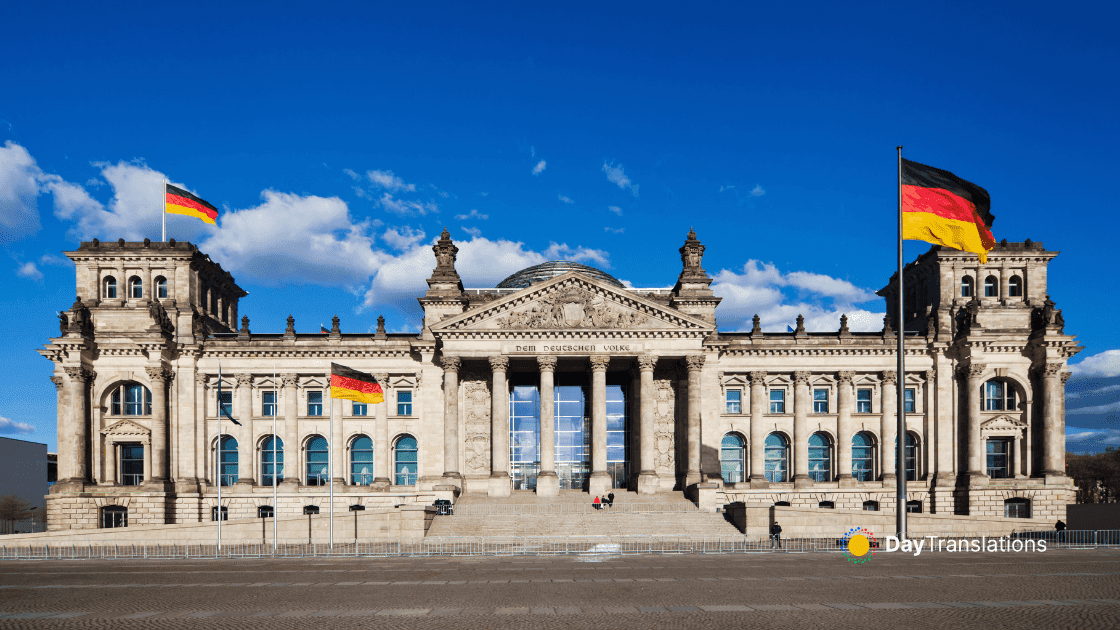
Germany is the custodian of a vast historical and cultural heritage. Moreover, few countries are as strongly connected into the world economy as Germany.
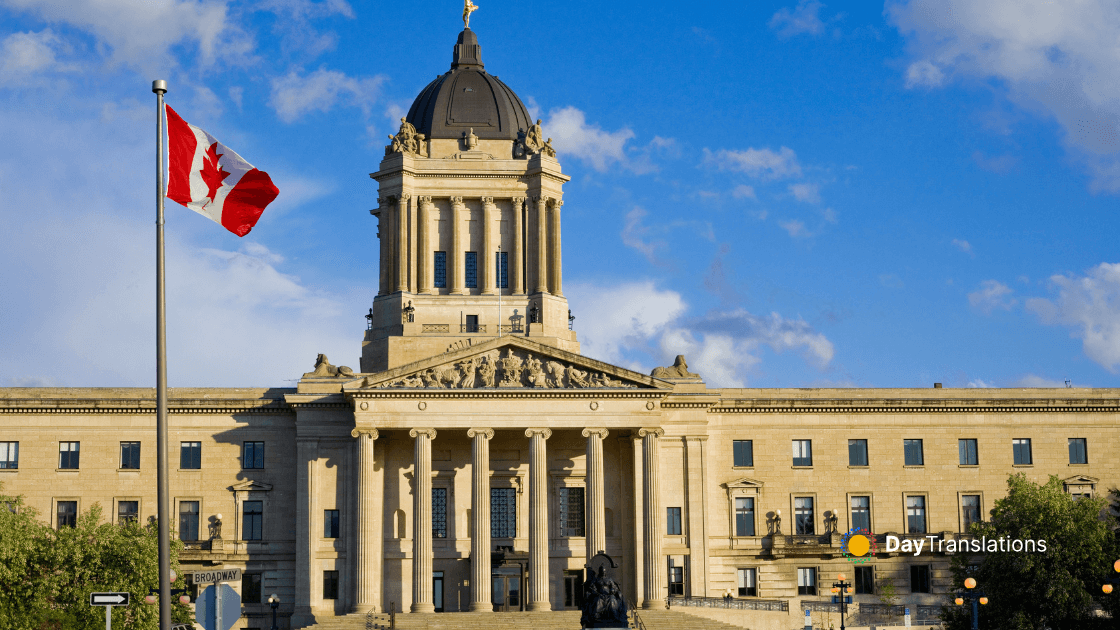
The Canadian economy is the eighth largest in the world and Canadians reflect a vast diversity of cultural heritages and racial groups, which is the result of centuries of immigration.
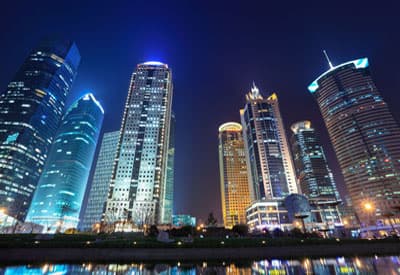
China is a multicultural, multiethnic, and multilingual nation, existing of 56 different cultures (like the Han, the Mongols, Tibetans, Koreans, Muslims etc) and 7 major language groups (with over 8000 dialects).
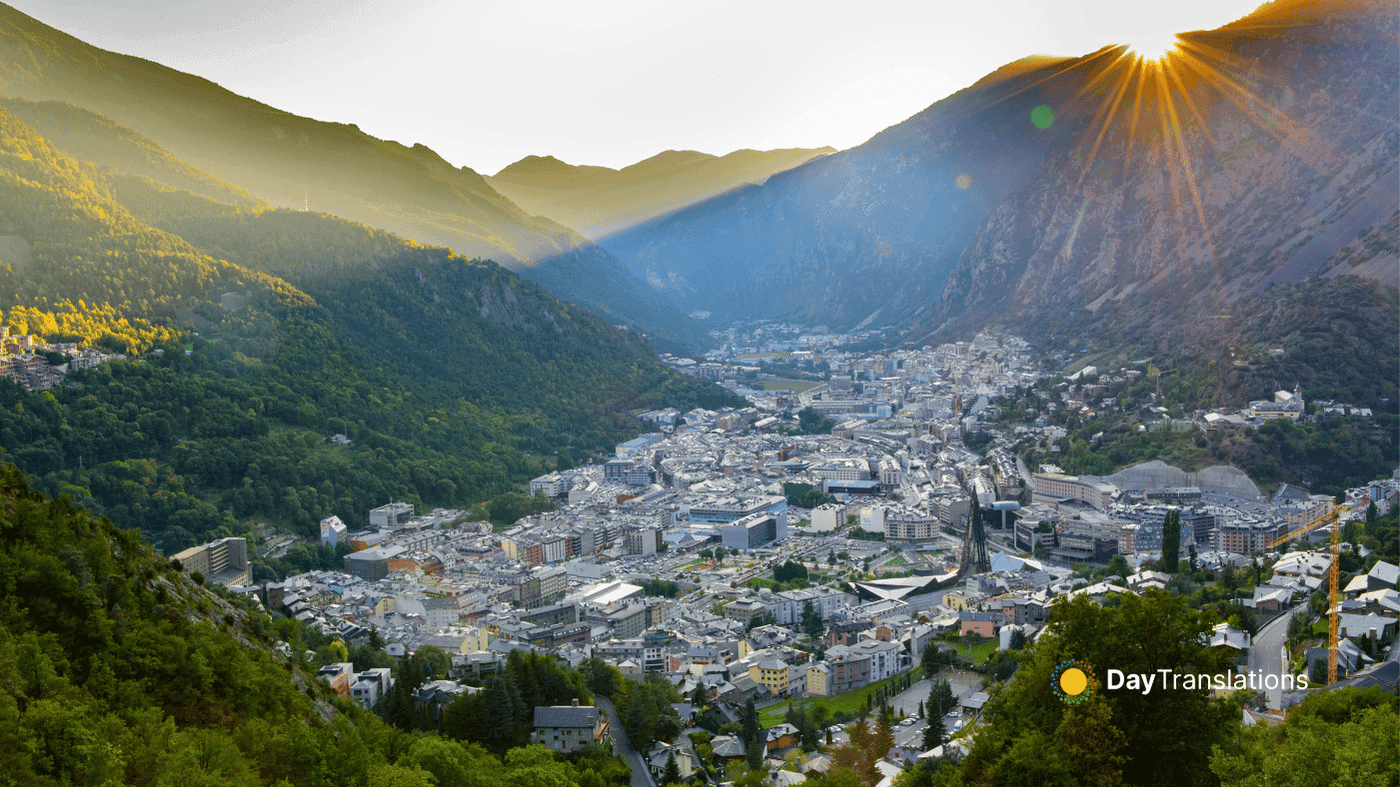
Perched in the heart of the Pyrenees range and bordering between France and Spain, Andorra is a small principality under the joint sovereignty of the leader – the king, later the President – of France and the Roman Catholic bishop of the diocese of La Seu d’Urgell in Catalonia, Spain, who are acknowledged as co-princes.
