
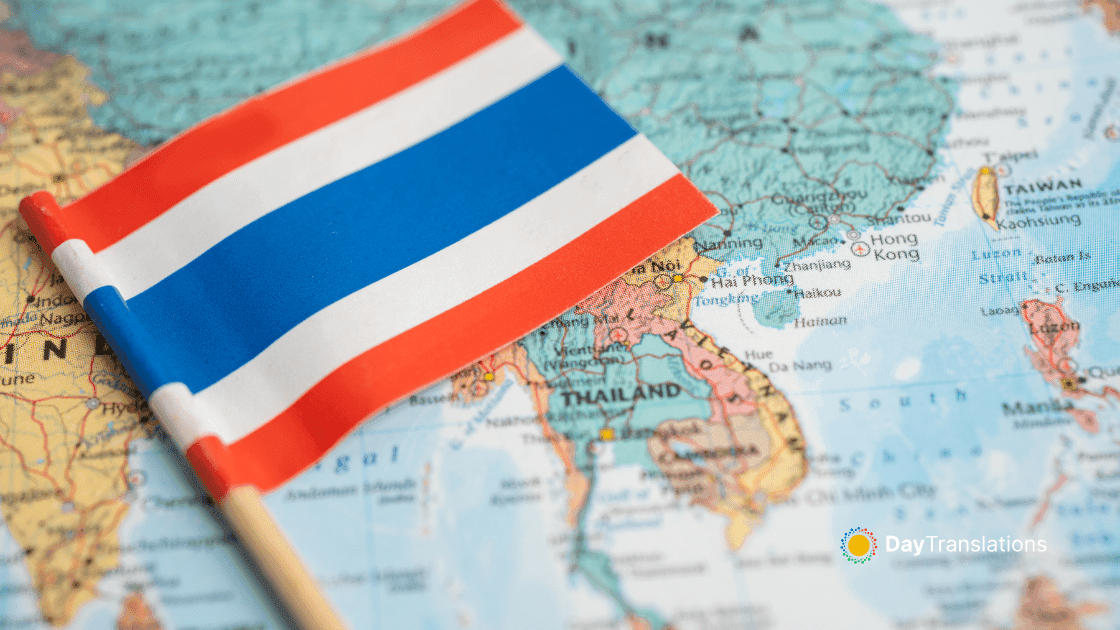
Thailand or officially the Kingdom of Thailand is part of Southeast Asia and is almost centrally-located. Thailand has faced several financial and economic crises as well as numerous political upheavals. Overcoming all these crises, Thailand has made significant development success, having made inroads into poverty reduction and strong economic growth.
Thailand is a kingdom with a constitutional monarchy ruled by King Rama IX or King Bhumibol Adulyadej, who has been reigning since 1946, the longest reign in the history of Thailand. Thailand is the 50th largest country in the world in terms of total land area and ranks 21st in the world in terms of population. Bangkok is the largest city and the nation’s capital. And it is the center of the almost all the industrial, commercial, cultural and political activities in Thailand.
Thailand is a mix of traditional and modern practices. It is a hub for shopping and adventure. It is a place where you can see Buddhist monks in saffron-colored robes among people dressed in tropical garments amid people dressed in the latest fashion trends. It has beautiful beaches, colorful floating markets, the mingling odors of different spices and a landscape dotted with various temples, shrines and monuments to their national heroes.
:: Background of Thailand ::
The area occupied by present day Thailand had been inhabited since 40,000 years ago and was eventually influenced by India, religiously and culturally. The first Siamese state prior to the 12th century is the Sukhotai kingdom, a Buddhist one that was founded around 1238. That kingdom was overshadowed by the rise of the kingdom of Ayutthaya that was established in the lower Chao Praya River around the middle of the 14th century.
The leaders of Ayutthaya expanded their territory and started trading with their neighbors and soon it became a major trading center. Progressive leaders started trading with the Portuguese, assimilating some of their culture as well as their knowledge in the process. The French, English and the Dutch also became successful trade partners.
In this Country Profile
Siam was continuously threatened several times by one of its closest neighbor, Burma. And there were many invasions that were launched to rule the progressive Ayutthaya. Eventually Burma was able to conquer Ayutthaya in 1767, although it was short-lived. One of the great leaders of Siam, King Taksin who had led several of the defensive forces who fought against Burmese invasion moved the capital from Ayutthaya which was completely destroyed by the Burmese forces to Thonburi. In 1782, under the reign of Chao Praya Chakri, founder of the House of Chakri when he ascended the throne after the death of King Taksin, the capital was moved to Rattanakosin where Bangkok, the present capital is located. Chao Praya Chakri was later given the title of King Rama I, and his dynasty, the House of Chakri still rules Thailand until today, with King Rama IX one of his descendants.
While the leaders of Thailand imbibed Western influences that contributed to its success economically, politically, socially and educationally, Thailand remained as the only country in Southeast Asia that was never colonized by a European nation.
The absolute monarchy was changed into a constitutional monarchy during a coup in June 1932. In 1939, Siam’s official name was changed to Thailand.
:: Geography of Thailand ::
Thailand holds a major position in Southeast Asia due to its central location. It is the only land road connecting the Asian mainland to Singapore and Malaysia. It is divided into six regions – central, north, northeast, east, west and south regions. Bangkok is considered a separate region, it being the capital and the largest metropolitan area, even if geographically it is part of the central region. Each region is diverse in terms of population, natural features, level of economic and social development and basic resources, making Thailand’s landscape truly unique.
Location
Thailand is located in Southeastern Asia and shares border with Myanmar (Burma) and Laos in the north, Malaysia in the south, the Gulf of Thailand and Cambodia in the east and the Andaman Sea and Myanmar in the west.
Geographic Coordinates
Thailand has a longitude of 100° 00’ East of Greenwich. Its latitude is 15° 00’ North of the Equator.
Area
The country’s total land mass is 513,120 square kilometers with a total land area of 510.890 square kilometers while that covered with water is equivalent to 2,230 square kilometers. In total size, Thailand is more than double the size of Wyoming in the United States.
Land Boundaries
Majority of Thailand is bordered by land. It shares its longest border with Myanmar for 1,800 kilometers. Her border with Laos is 1,754 kilometers long. The Cambodian border runs for 803 kilometers while Thailand’s border with Malaysia is 506 kilometers long.
Coastline
Thailand’s coastline runs for a total of 3,219 kilometers along the Andaman Sea in the west and the Gulf of Thailand in the east. It has a maritime claim of 12 nautical miles of territorial sea with an exclusive economic zone of 200 nautical miles. Its continental shelf is up to a depth of 200 meters.
Climate
Thailand can be hot and humid, typical of a tropical climate. The country is affected by an annual monsoon and has three seasons. It is cool from November up to February or March. The weather turns hot and humid in April and May and rainy season starts in June up to October. The average temperature is between 75° F to 92° F.
Terrain
The central area of Thailand has lowland plains. In the east is the Khorat Plateau. Elsewhere the terrain is mountainous. The highest point in Thailand is Doi Inthanon which rises to 2,576 meters while the lowest point is the Gulf of Thailand.
Natural Resources
Thailand has arable land and is rich in tin, rubber, tantalum, tungsten, natural gas, gypsum, lead, fluorite and lignite. It is also rich in timber and fish.
Land Use
Twenty-seven and a half percent of the total land area is arable while 6.93% is planted with permanent crops. The rest of the land or about 65.53% is used for industry, infrastructure and residential and other land projects.
Natural Hazards
Bangkok is the most popular city in Thailand. It is also the capital city and very highly urbanized. Right now Thailand faces the problem of Bangkok slowly sinking, which in turn depletes the water table. Droughts are also a threat to Thailand.
Environment Issues
Current environment issues that affect Thailand include water pollution contributed by the numerous factory and organic wastes. It also faces air pollution mostly coming from vehicles. There is also the threat to its wildlife population that is slowly getting depleted due to illegal hunting. Added to that are soil erosion and deforestation.
International Agreements
Thailand has entered into international environment agreements pertaining to climate change and climate change-Kyoto Protocol. It is also taking part in agreements for biodiversity, desertification, ozone layer protection, endangered species, and marine life conservation and also in tropical timber 83 and 94, as well as wetlands and hazardous wastes issues. Thailand has already signed but is yet to ratify the law of the sea agreement.
:: People of Thailand ::
Population
As of July 2011 estimates, the population of Thailand is now 66,720,153. This population figure is highly affected by the high mortality rate due the AIDS that have likewise affected the death rates, infant mortality rate, life expectancy, population growth and distribution in population by sex and age.
Age Structure
Currently the age structure is Thailand is mixed. In the 0-14 age group, there is slightly more males than females, with 19.9% broken down into 6,779,732 males compared to 6,466,625 females. In the 15-64 age bracket which represents 70.9% of the population, the disparity is very slight, with 23,410,091 males and 23,913,499 females. In the 65 years and over age group representing 9.2% of the population, there is a shift, with 3,372,203 females to 2,778,012 males, based on 2011 estimates.
Median Age
Overall, the median age in Thailand is 34.2 years, with the male average placed at 33.3 years while that of the female, according to 2011 estimates is placed at 35.2 years.
Population Growth Rate
Thailand’s population growth rate is quite low, only 0.566% according to 2011 estimates.
It is also estimated that the birth rate is 12.395 births for every 1,000 population while the death rate is 7.29. Net migration in Thailand is currently zero based on 2011 estimates. The current fertility rate in Thailand is 1.66 children born for every woman of child-bearing age based on 201 estimates.
Sex Ratio
Out of the total population the sex ratio is 0.98 male for every female. At birth it is 1.054 male for every female, almost maintained through the different age groups. In the under 15 age group, there is 1.05 male for every female, lowered to 0.98 male for every female in the 15-64 age group and still slightly lower at 0.82 male for every female in the 65 years and over age group.
Infant Mortality Rate
On the average the total infant mortality rate in Thailand is high at 16.39 deaths per 1,000 live births. The ratio is slightly higher for the males with 17.38 deaths for every 1,000 live births while it is only 15.35 deaths for every 1,000 live births for females.
Life Expectancy at Birth
For the total population life expectancy at birth is about 73.6 years with the females edging the males slightly with an average of 76.08 years while it is only 71.24 years for the males.
HIV/AIDS
HIV/AIDS is getting to be a major social and health issue in Thailand, it being a major tourist destination by Asians and tourists from other countries around the world. According to the estimates done in 2009, the adult prevalence of HIV/AIDS in Thailand is 1.3%, with a total of 530,000 people living with HIV/AIDS and resulting to deaths to 28,000 people.
Nationality
Thai is a noun that is used in singular and plural form and Thai is also the word used as an adjective to describe a person from Thailand.
Ethnic Groups
Thailand is one of the few countries that were not dominated or ruled by any European country and its ethnic groups are limited. Seventy-five percent of the population is Thai, while 14% is Chinese. The other 11% comprise minor ethnic groups that have made Thailand their home.
Religions
Buddhism is the major religion practiced by 94.6% of the population of Thailand. There is also about 4.6% that follow the Muslim faith while 0.7% practices Christianity and a very minor 0.1% of the population follows other religions, according to the census done in 2000.
Languages
Thai is the dominant language that is spoken in Thailand while English is the secondary language and mainly spoken by the elite. Other ethnic ad regional dialects are also spoken.
Literacy
Literacy in Thailand is very high, placed at 923.6% of the population, with those 15 years and over being able to read and write. For the males, literary is about 94.9% while it is slightly lower for the females at 90.35%. Overall, the Thai people stay in school for 12 years, almost even between the males and the females.
:: References ::
http://www.tourismthailand.org/about-thailand/fast-facts/
http://en.wikipedia.org/wiki/Thailand
https://www.cia.gov/library/publications/the-world-factbook/geos/th.html
http://www.nationsencyclopedia.com/economies/Asia-and-the-Pacific/Thailand.html
Geography of Thailand: Important Geographical Information about Thailand
In this Country Profile
The Kingdom of Thailand lies in the heart of Southeast Asia. It is bordered in the north by Laos and Myanmar (Burma) and in the east by the Gulf of Thailand and Cambodia. The west is bordered by Myanmar and the Andaman Sea while Malaysia shares its border with Thailand in the south. A strip of land protrusion connects the only road route from mainland Asia through Thailand to Malaysia and Singapore. With a total landmass of 513,120 square kilometers, Thailand is about the size of France, with a large population which is estimated to be over 66 million. The majority of the population is of Thai ethnicity. Thailand had been secluded from the rest of the world as it was the only country that was not under any Western rule in its entire history, so for the most part, the country was considered mysterious. It was just recently that Thailand began to open its doors to welcome the rest of the world, and turned Thailand into a major tourist destination in Southeast Asia.
Sharing borders with volatile nations like Myanmar, Laos, Cambodia and Malaysia, Thailand is not immune to external and internal strifes. It also had to contend with the Asian financial crisis, power struggles, coup attempts and other civil unrests. There was growing poverty in the rural areas, corruption and prostitution, opium trade as well as health issues, including HIV/AIDS.
Products
Thailand is one of the major rice producers in the region, having fertile floodplains that are very suitable for rice cultivation. These fertile lands easily attracted settlers in the area. Thailand is the second largest producer of tungsten in the world and the third when it comes to tin. Soybeans, tapioca, rubber, sugarcane, coconuts, and corn are some of its agricultural products for domestic and international markets.
River Systems
The Mekong River and the Chao Phraya River support the agricultural economy of Thailand. The terrain is divided into three – mountains in the north, a central plain and there is also an upland plateau. The central plain is the lowland area where the Chao Phraya River and its tributaries drain. On the northeastern part is the Khorat Plateau where gently rolling hills and shallow lakes can be found, draining into the Mekong River via the Mun River. The Mekong River system in turn empties into the South China Sea. The Chao Phraya and Mekong river systems provide the means for the transport of people and goods.
Climate
Climate in Thailand is varied based on the region. Most of the country experience tropical weather while the southern part as well as the eastern tip of the eastern region has a tropical monsoon climate. Average annual high temperature in the whole of Thailand is about 100.4° F while the average low temperature is about 66.2° F. The hottest times of the year is usually experienced in the second half of March when the temperature can soar to about 104° F. The dry season can last up to April before the southwest monsoon blows in as early as May or in July, although this is not true in the southern part of the country. The rainy season lasts until October when the cloud cover creates reduced temperature but raises the humidity level.
November or December is the start of the dry season and cooler temperatures, including light frost can be experienced in the uplands. In some areas, like in southern Thailand, which is near the sea, the dry season can be very short. The whole of Thailand gets enough rainfall but the duration varies with the altitude and from region to region, with the northeastern region having the longest dry season. Although the soil in the region has poor drainage, it is suitable for industrial-scale production of tobacco, pineapples and tomatoes.
:: Thailand’s Regions ::
Thailand is divided into six regions and each one is unique and diverse based on cultural patterns, drainage and landforms as well as natural features.
North
The northern region of Thailand is mountainous and enjoys cooler weather especially during the winter months, making the area suitable for growing strawberries and lychees. The high mountains are interspersed with steep river valleys. Upland areas border the central plains and several rivers converge in the lowland to create the Chao Phraya watershed. The valleys are also suitable for wet-rice farming. Forests cover the mountains where teak and other hardwoods that are commercially viable are harvested.
Northeast
Poor soil dominates the landscape of northeastern Thailand, so it is not suited for general agriculture. But despite the poor condition of the soil, this is suitable for the farming of sticky rice, which has been the staple grain for this region. The region has poorly drained and flooded rice paddies where this variety of rice grows. The region manages to have two sticky rice harvest annually, together with sugar cane and manioc (starch that is the source of tapioca), two of their cash crops. Rubber is also a product of the northeast region and there is a thriving silk production industry as well. The Khorat Plateau is located in this region. The region normally has a long dry season and a short monsoon season.
Central
Central Thailand is called the rice bowl of Asia. It is a self-contained basin where a complex irrigation system was developed to make it suitable for wet-rice production. The region is generally flat and quite fertile. These conditions make the region very ideal for the influx of population. Cultivated rice fields abound in the region. Chao Phraya and its tributaries are the prominent features in central Thailand. It is also the center of commerce, industry and transportation.
East
Fruits and tourism are the major products of Eastern Thailand. The region features short mountain ranges, with short rivers forming small and shallow basins that drain into the Gulf of Thailand. Eastern Thailand is situated between the Gulf of Thailand in the south and the northeastern plateau in the north.
West
Western Thailand has high mountains and quite steep river valleys. The region is near the mountainous border with Myanmar, with the Tenasserim Hills located in the region. Major dams are constructed in the region and there are several forest areas, making minerals and water the most important resources of Western Thailand. Mining is the most significant industry here.
South
The Southern region of Thailand is a narrow peninsula. Rice is cultivated for subsistence of the people living in the region while the production of rubber is its major industry. Tourism, tin mining and coconut plantations are major income sources. Rolling mountains as well as mountainous areas are part of the terrain in Southern Thailand and no large rivers are present in the area. The region is also characterized by impenetrable forests and mountain barriers, making the region somewhat isolated. This is where the Phuket Island, the biggest island in Thailand is located, along the west coast of Thailand in the Andaman Sea. Phuket Island is connected by two bridges to the mainland.
:: References ::
http://www.marimari.com.my/content/thailand/general_info/geography/geography.html
http://en.wikipedia.org/wiki/Geography_of_Thailand
http://www.un.or.th/thailand/geography.html
http://www.asiarooms.com/en/travel-guide/thailand/thailand-overview/thailand-geography.html
Professional Translation Organizations & Associations in Thailand
In this Country Profile
Below is a list of the major translation organizations and associations of Thailand.
:: List of Organizations ::
Chulalongkorn University, Faculty of Arts, Karnchanaphisek Institute of Translation and Interpretation
Rajamangala University of Technology Thanyaburi, Associate Professor, Faculty of Applied Liberal Arts
Ramkhamhaeng University
Thammasat University
The Royal Institute of Thailand
Information about the Thai Flag: Colors and Meaning of the Flag of Thailand
In this Country Profile
The flag of the United Kingdom of Thailand is simple in design. Thailand’s current flag is one of the oldest flags in the world, as it has been in use since September 28, 1917. It consists of horizontal stripes of red, white and blue with a proportion of 2:3. Overall there are five stripes. Technically the flag is divided into three equal sections, with the top and bottom section each subdivided into two stripes of equal size. The top is red, then white. The middle stripe is in blue and the bottom stripes are white then red. The flag of Thailand has a name. It is called the Triarong or Triaranga, which directly translates to tricolor.
Thailand was known as Siam from the middle of the 19th century up to 1916. During that time the flag was red with a white elephant in the middle facing the hoisting side. In the early late 16th century to early 17th century, the Siamese flag was red with a white chakra in the middle. From 1817 to 1855, a white elephant facing the hoisting side was added in the middle of the chakra. Starting from 1855 up to 1916, the chakra was removed and the elephant, still facing the hoisting side was enlarged. Briefly in the 1916 the elephant was made smaller and the position is reversed. It was facing the flying side of the flag. The elephant wore a decorative harness and it was standing on a raised platform in golden yellow. It was changed again in 1916 with a flag with alternating red, white, red, white and red stripes positioned horizontally. Initially the stripes are of equal size, before middle stripe was increased to twice its size. The current flag replaced the middle wider red stripe with the blue stripe that has been retained until today.
Thailand has a long history and faced many conflicts. The red stripes represent the blood that had spilt by the citizens of Thailand to maintain their country’s independence. The white stripes represent Buddhism, the main religion in Thailand. White also symbolizes purity. Blue is the color of the monarchy as well as the national color of Thailand. It is said that blue is used to honor the allies of Thailand during WWI, namely France, Russia, Great Britain and the United States. The flags of these countries have red, white and blue stripes. The flag did not change even when Thailand became an ally of Japan during the Second World War.
According to some records, the blue stripe was suggested to King Rama IV by a columnist from the Bangkok Daily Mail newspaper to replace the central red stripe with a blue stripe that is twice the size of the other stripes to symbolize the King’s color and also as a reminder of Thailand’s participation and its allies during the First World War and the change took effect by virtue of the Flag Act B.E. 2460 of 1917.
Other interpretations of the meaning of the red, white and blue stripes of the Thai flag indicate that the white is used to signify honesty and peace. The blue middle stripe is for perseverance and justice, for truth and loyalty and for vigilance, which the red means strength and valor, hardiness as well as bravery.
:: References ::
http://www.worldflags101.com/t/thailand-flag.aspx
http://www.flags-flags-flags.org.uk/thailand-flag.htm
http://www.rama9art.org/thaiflag/body7.html
Extensive List of Languages of Thailand: Spoken and Extinct Languages
In this Country Profile
:: List of Languages ::
Aheu
[thm] 750 in Thailand (Ferlus 1996). Population total all countries: 2,520. Thavung in Sakon Nakhon Province, Song Daw District, 3 villages; Phon Soung live about 100 km south of the Thavung. Also in Laos. Alternate names: Phon Soung, So, Sotawueng. Classification: Austro-Asiatic, Mon-Khmer, Viet-Muong, Thavung
Akeu
[aeu] 400 in Thailand (2006). Chiang Rai Province, Mae Suay and Wiang Papao districts. Alternate names: Aki, Akui. Classification: Sino-Tibetan, Tibeto-Burman, Lolo-Burmese, Lolo, Southern
Akha
[ahk] 56,600 (Bradley 2007). Chiangmai, Chiangrai, Maehongson provinces. 250 villages. Alternate names: Ahka, Aini, Ak’a, Aka, Ekaw, Ikaw, Ikor, Kaw, Kha Ko, Khako, Khao Kha Ko, Ko, Yani. Classification: Sino-Tibetan, Tibeto-Burman, Burmic, Ngwi, Southern
Ban Khor Sign Language
[bfk] Northeast Thailand, a few villages. Dialects: Not related to original sign languages of Thailand, but some similarity. Classification: Deaf sign language
Bisu
[bzi] 1,000 in Thailand (1987 E. Purnell). Southwest Chiangrai, North Lampang. 2 main villages, the largest with 100 houses. Alternate names: Mbisu, Mibisu. Classification: Sino-Tibetan, Tibeto-Burman, Burmic, Ngwi, Southern
Blang
[blr] 1,200 in Thailand (1998 SIL). Chiangrai; north border area, Mae Sai; Mae Chan area; some west of Bangkok who work in gardens. Alternate names: Bulang, Hkawa, K’ala, K’wa, Kawa, Khon Doi, Kontoi, Plang, Pula, Pulang, Sen Chun, Wa. Classification: Austro-Asiatic, Mon-Khmer, Northern Mon-Khmer, Palaungic, Eastern Palaungic, Waic, Bulang
Bru, Western
[brv] 20,000 in Thailand (1991). Mukdahan Province, Dong Luang District. Also in United States. Alternate names: B’ru, Baru, Bruu. Dialects: Partially intelligible with Eastern Bru [bru]. Classification: Austro-Asiatic, Mon-Khmer, Eastern Mon-Khmer, Katuic, West Katuic, Brou-So
Cham, Western
[cja] 4,000 in Thailand. Ban Khrue, Bangkok; possibly in refugee camps. Alternate names: Cambodian Cham, Cham, New Cham, Tjam. Classification: Austronesian, Malayo-Polynesian, Malayo-Sumbawan, North and East, Chamic, Coastal, Cham
Chiangmai Sign Language
[csd] Chiang Mai. Alternate names: Chiengmai Sign Language. Dialects: Related to sign languages in Laos and Viet Nam (Haiphong, Hanoi, Ho Chi Minh City). Distinct from Thai Sign Language [tsq]. Classification: Deaf sign language
Chinese, Hakka
[hak] 58,800 in Thailand (1984). Cities. Alternate names: Hakka. Classification: Sino-Tibetan, Chinese
Chinese, Mandarin
[cmn] 5,880 in Thailand (1984). Bangkok, provincial towns, and Kra Peninsula in the south. Dialects: Ho (Haw, Cin Haw, Yunnanese, Western Mandarin, Hui, Hui-Tze, Hwei, Panghse, Pantha, Panthe, Pathee). Classification: Sino-Tibetan, Chinese
Chinese, Min Dong
[cdo] Alternate names: Eastern Min. Dialects: Fuzhou (Fuchow, Foochow). Classification: Sino-Tibetan, Chinese
Chinese, Min Nan
[nan] 1,080,000 in Thailand. 1,058,400 Chaochow (18%), 17,640 Fujian (.3%), 5,880 Hainanese (.1%) (1984). Cities. Alternate names: Min Nan, Minnan. Dialects: Chaozhou (Chaochow, Tiuchiu, Teochow, Techu), Shantou (Swatow), Hainan, Fujian (Fukien, Hokkien). Classification: Sino-Tibetan, Chinese
Chinese, Yue
[yue] 29,400 in Thailand (1984). Alternate names: Cantonese, Yue, Yueh. Classification: Sino-Tibetan, Chinese
Chong
[cog] 500 in Thailand. Trat Province, northwest of Par, Chantaburi. 4 villages. Alternate names: Chawng, Shong, Xong. Classification: Austro-Asiatic, Mon-Khmer, Eastern Mon-Khmer, Pearic, Western, Chong
Hmong Daw
[mww] 32,400 in Thailand (2000). Petchabun, Tak, Maehongson, Chiangmai, Nan, Chiangrai, Pitsanalok, Loei, Sukhothai, Kamphaengphet, Prae, Phayao, Uttaradit, Lampang. Alternate names: Bai Miao, Chuan Miao, Hmong Der, Hmoob Dawb, Meo Kao, Pe Miao, Peh Miao, White Hmong, White Lum, White Meo, White Miao. Dialects: Hmong Gu Mba (Hmong Qua Mba, Striped Hmong, Miao Lai), Mong Leng, Petchabun Miao. Classification: Hmong-Mien, Hmongic, Chuanqiandian
Hmong Njua
[hnj] 60,000 in Thailand (Hattaway 2000). Chiangrai, Chiangmai, Maehongson, Tak, Phayao, Phrae, Nan, Phrae, Loei, Sukhothai, Kamphaengphet, Uthai, Petchabun provinces. Alternate names: Mong Ntsua, Hmong Nzhua, Blue Hmong, Blue Meo, Tak Miao, Green Hmong, Green Meo, Qing Miao, Ching Miao, Lu Miao; Meo Dam, Meo Lai, Hmong Lens, Hmoob Leeg. Classification: Hmong-Mien, Hmongic, Chuanqiandian
Iu Mien
[ium] 40,000 in Thailand (1999). Chiangmai, Chiangrai, Phayao, Lampang, Kampaengphet, Nan, and Sukhothai provinces. 159 villages. Alternate names: Highland Yao, Mian, Mien, Myen, Pan Yao, Yao, Yiu Mien, Youmian. Dialects: Chiangrai. Classification: Hmong-Mien, Mienic, Mian-Jin
Karen, Pa’o
[blk] 740 in Thailand (2000). Maehongson. Alternate names: Black Karen, Pa Oh, Pa’0, Pa-U, Taungtu. Classification: Sino-Tibetan, Tibeto-Burman, Karen, Pa’o
Karen, Phrae Pwo
[kjt] North, eastern provinces including Phrae Province. Alternate names: Northeastern Pwo Karen, Phrae, Prae, Pwo Phrae. Dialects: Not intelligible with other Pwo Karen languages. Lexical similarity: 87% with Northern Pwo Karen [pww] of Thailand, 67%–71% with other Pwo Karen varieties. Classification: Sino-Tibetan, Tibeto-Burman, Karen, Pwo
Karen, Pwo Northern
[pww] 60,000 (1983 SIL). Northwest, Mae Sarieng town; Mae Ngaw along Salween River, 15 to 25 villages; Hot to Mae Sarieng. Alternate names: Phlong. Dialects: Mae Ping, Omkoi (Hod), Mae Sarieng. Dialects mutually intelligible. Pwo Karen of Phrae [kjt], Kanchanaburi, and Hua Hin are not intelligible with these. Lexical similarity: 87% with Phrae Province Pwo Karen [kjt] of Thailand, 68%–73% with other Pwo Karen. Classification: Sino-Tibetan, Tibeto-Burman, Karen, Pwo
Karen, Pwo Western Thailand
[kjp] 50,000 in Thailand (1998). Tak (Mae Sot south), Ulthaithani, Suphanburi, Kanchanaburi, Ratchaburi, Phetchaburi, and Prachuapkhirikhan (Huahin District) provinces. Kanchanaburi in north; Ratchaburi-Phetchaburi in south. Alternate names: Phlou, Southern Pwo Karen. Dialects: Kanchanaburi Pwo Karen, Ratchaburi Pwo Karen (Phetchaburi Pwo Karen). Classification: Sino-Tibetan, Tibeto-Burman, Karen, Pwo
Karen, S’gaw
[ksw] 200,000 in Thailand (2006 Mahidol). Tak, Maehongson, Chiangmai, and Chiangrai provinces, near Myanmar border. Alternate names: Burmese Karen, Kanyaw, Karen, Paganyaw, Pwakanyaw, S’gau, S’gaw, S’gaw Kayin, White, Yang Khao. Dialects: Panapu, Palakhi (Palachi). Classification: Sino-Tibetan, Tibeto-Burman, Karen, Sgaw-Bghai, Sgaw
Kayah, Eastern
[eky] 18,000 in Thailand (2007). 2 camps of 15,000 refugees from Myanmar. Maehongson Province, east of Salween River. Alternate names: Karennyi, Kayah, Kayay, Red Karen, “Yang Daeng”. Classification: Sino-Tibetan, Tibeto-Burman, Karen, Sgaw-Bghai, Kayah
Kensiu
[kns] 300 in Thailand. South Yala Province, Phattaloong, Satun, Narathiwat provinces, Thai-Malay border. Some in a resettlement camp in Yala. Alternate names: Belubn, Kense, Kenseu, Kensieu, Kensiw, Maniq, Mawas, Mengo, Meni, Menik, Moni, Monik, Moniq, Mos, Ngok Pa, Orang Bukit, Orang Liar, Sakai, Tiong. Classification: Austro-Asiatic, Mon-Khmer, Aslian, North Aslian, Western
Khmer, Northern
[kxm] 1,400,000 (2006 Mahidol), decreasing. Very few monolingual. Northeast, mainly Surin, Sisaket, Buriram, Khorat provinces. Alternate names: Khmer Lue, Thailand Khmer. Dialects: Buriram, Surin, Sisaket. Different from Central Khmer [khm]. Dialects mutually intelligible. Many local varieties. Classification: Austro-Asiatic, Mon-Khmer, Eastern Mon-Khmer, Khmer
Khmu
[kjg] 31,400 in Thailand (2000). Chiangrai, Nan, Phayao, scattered throughout Thailand. Alternate names: Kamhmu, Kammu, Kamu, Kha Khmu, Khamu, Khamuk, Khmu’, Kmhmu, Luu, Mou, Pouteng, Tmooy. Classification: Austro-Asiatic, Mon-Khmer, Northern Mon-Khmer, Khmuic, Mal-Khmu’, Khmu’
Khün
[kkh] 6,280 in Thailand (2000). Chiangrai, Chiangmai. Alternate names: Gon Shan, Hkun, Khuen, Khun Shan, Tai Khun. Classification: Tai-Kadai, Kam-Tai, Be-Tai, Tai-Sek, Tai, Southwestern, Northwest
Kintaq
[knq] Kedah-Perak border area, Malaysia Thailand border into southern Yala Province. Alternate names: Kenta, Kintaq Bong, Kintk. Classification: Austro-Asiatic, Mon-Khmer, Aslian, North Aslian, Western
Korean
[kor] Bangkok. Classification: Language isolate
Kuy
[kdt] 400,000 in Thailand (2006 Mahidol). Few monolinguals. Population total all countries: 488,900. East central, Buriram, Surin, Sisaket, Ubon, Roi Et provinces. Also in Cambodia, Laos. Alternate names: Cuoi, Khamen-Boran, Kui, Kui Souei, Kuoy, Kuuy, Soai, Suai, Suay, Suei, Sui, Suoi. Dialects: Chang (Suai Chang), Nheu, Kuay. In Cambodia there are four Kuy dialects, based on the use of their word for ‘what’: Kuy Antra (northern Kompong Thom, southern Preah Vihear), Kuy Anthua (central Preah Vihear), Kuy May or Ma’ay (in Kratie), Kuy Mlor (one village in northern Preah Vihear); only older people still speak the last two dialects. Classification: Austro-Asiatic, Mon-Khmer, Eastern Mon-Khmer, Katuic, West Katuic, Kuay-Nheu
Lahu
[lhu] 32,000 in Thailand (Johnstone and Mandryk 2001). Chiang Mai, Chiang Rai, Maehongson, Lampang, Tak provinces. 119 known villages. Alternate names: Lohei, Muhso, Muhsur, Musser, Musso, Mussuh. Dialects: Na (Black Lahu, Musser Dam, Northern Lahu, Loheirn), Nyi (Red Lahu, Southern Lahu, Musseh Daeng, Luhishi, Luhushi), Shehleh. Classification: Sino-Tibetan, Tibeto-Burman, Burmic, Ngwi, Central
Lahu Shi
[lhi] 15,000 in Thailand (2007). Refugee camps near Laos border; formerly in Chiang Kham camp, but now in camps near Pua, Nan, or elsewhere. Classification: Sino-Tibetan, Tibeto-Burman, Burmic, Ngwi, Central
Lamet
[lbn] 100 in Thailand. Lampang, Chiangrai. Alternate names: Kamet, Kha Lamet, Khamet, Lemet. Dialects: Upper Lamet, Lower Lamet. Classification: Austro-Asiatic, Mon-Khmer, Northern Mon-Khmer, Palaungic, Eastern Palaungic, Lametic
Lawa, Bo Luang
[lwl] 7,000 (2007 Nahhas). Ethnic population: 8,000. North, Chiang Mai Province, Hot District, Bo Luang and Bo Sali subdistricts. 16 villages. Alternate names: Bo Luang Lawa, “Lua”. Dialects: Bo Luang, Bo Phawaen, Bo Sangae. Not intelligible with Bo Luang Lawa [lcp]. Classification: Austro-Asiatic, Mon-Khmer, Northern Mon-Khmer, Palaungic, Eastern Palaungic, Waic, Lawa
Lawa, Mae Hong Son
[lcp] 8,000 (2007 Nahhas). Ethnic population: 8,500. Chiang Mai, Mae Hong Son provinces. Alternate names: L’wa, Lava, Lavüa, “Lua” , Luwa, Mae Hong Son Lawa, Mountain Lawa, Omphai Lawa. Dialects: La-up, Omphai, Northern. Each village has its own distinct accent.. Ban Kok Luang, a village of the Northern group, has the most distinct dialect. Classification: Austro-Asiatic, Mon-Khmer, Northern Mon-Khmer, Palaungic, Eastern Palaungic, Waic, Lawa
Lisu
[lis] 30,000 in Thailand (2006 Mahidol). Chiang Mai, Chiang Rai, Maehongson, Tak, Sukhothai, Kamphaeng Phet provinces. Some migrated to northwest Thailand from Myanmar. Alternate names: Li-Hsaw, Li-Shaw, Lisaw, Liso, Lu-Tzu, Southern Lisu, Yao Yen, Yaw Yin, Yaw-Yen, Yeh-Jen. Dialects: Lu Shi Lisu. Classification: Sino-Tibetan, Tibeto-Burman, Lolo-Burmese, Loloish, Northern, Lisu
Lü
[khb] 83,000 in Thailand (Johnstone and Mandryk 2001). Widespread in the north; Chiangrai, Payao, Lamphun, Nan, Chiang Kham. Alternate names: Lu, Lue, Pai-I, Pai-Yi, Shui-Pai-I, Tai Lu, Tai Lue, Thai Lu. Classification: Tai-Kadai, Kam-Tai, Be-Tai, Tai-Sek, Tai, Southwestern, Northwest
Lua’
[prb] 6,280 (2000). Nan Province, east of Pua District; Laos-Thailand border. Alternate names: East Pua Pray, Pray 2. Classification: Austro-Asiatic, Mon-Khmer, Northern Mon-Khmer, Khmuic, Mal-Khmu’, Mal-Phrai
Mal
[mlf] 3,500 in Thailand (1982 SIL). Nan Province, east of Pua District and Chiang Kam, valley near northern Laos border. Alternate names: Ht’in, Khatin, T’in, Thin, Tin. Classification: Austro-Asiatic, Mon-Khmer, Northern Mon-Khmer, Khmuic, Mal-Khmu’, Mal-Phrai
Malay, Pattani
[mfa] 1,000,000 (2006 Mahidol). North, Songkhla (Singgora) Province, Chana (Chenok) region, south through Pattani, Narathiwat, Yala, Saiburi, Tak Bai. Alternate names: Thai Islam. Dialects: Different from Kedah Malay [meo] and Standard Malay [zsm]. Classification: Austronesian, Malayo-Polynesian, Malayo-Sumbawan, North and East, Malayic, Malay
Malay, Satun
[meo] A few villages near Satun. Isolated. Alternate names: Kedah Malay. Classification: Austronesian, Malayo-Polynesian, Malayo-Sumbawan, North and East, Malayic, Malay
Mlabri
[mra] 300 in Thailand (1982 E. Long). Population total all countries: 324. Phayao, Nan, Phrae, Utaradit, Phitsanuloke, Loey, perhaps other provinces. Laos border area. Also in Laos. Alternate names: Luang, Ma Ku, Mabri, Mla, Mla Bri, Mrabri, Phi Thong, Yellow Leaf, Yumbri. Classification: Austro-Asiatic, Mon-Khmer, Northern Mon-Khmer, Khmuic, Mlabri
Mok
[mqt] 7 (Wurm and Hattori 1981). Northwest; east northeast of Chiang Mai, on Wang River. Alternate names: Amok, Hsen-Hsum, Muak, Muak Sa-aak. Classification: Austro-Asiatic, Mon-Khmer, Northern Mon-Khmer, Palaungic, Eastern Palaungic, Angkuic Nearly extinct.
Moken
[mwt] South, west coast, Phuket, Phangnga, Krabi, Ranong. Alternate names: Basing, Chau Ko’, Mawken, Salon, Salong, Selong, Selung. Dialects: Dung, Ja-It, L’be. Classification: Austronesian, Malayo-Polynesian, Moklen
Moklen
[mkm] 1,500 (1984 D. Hogan). Ethnic population: 4,000 (2000 D. Bradley). South, west coast, Phuket, Phangnga. Alternate names: Chau Pok. Classification: Austronesian, Malayo-Polynesian, Moklen
Mon
[mnw] 108,000 in Thailand (2000). On Myanmar border, Kanchanaburi, Pathum Thani, Rat Buri, Surat Thani, Lopburi, Khorat; north and south of Bangkok. Alternate names: Aleng, Mun, Peguan, Takanoon, Talaing, Taleng. Classification: Austro-Asiatic, Mon-Khmer, Monic
Mpi
[mpz] 900 (Nahhas 2005), decreasing. Ethnic population: 1,500 (Nahhas 2005). North, Phrae Province, Ban Dong east of provincial capital; Nan Province, Ban Sakoen, east of Phayao Province border. Alternate names: Kaw. Dialects: Ban Dong, Ban Sakoen. Ban Dong and Ban Sakoen Mpi are mutually intelligible (based on self-report of Ban Dong and Ban Sakoen residents). Lexical similarity: 86% between Ban Dong and Ban Sakoen dialects. Classification: Sino-Tibetan, Tibeto-Burman, Lolo-Burmese, Loloish, Southern, Phunoi
Nyahkur
[cbn] 1,500 (2006 C. Shimmin), decreasing. No monolinguals. Ethnic population: 3000 (Theraphan 1984). Central, northeast side, foot of Petchabun Mountains: Pitsanulok, Petchabun, southwest Chaiyaphum (most), and Nakhon Ratchasima (Khorat) provinces. Alternate names: Chao Dong, “Chaobon” , “Chaobun” , Chaodon, “Chaubun” , Lawa, Niakuol, Niakuoll, Nyakur. Dialects: Users in Chaiyaphum say they understand Petchabun variety only with difficulty, if at all. Classification: Austro-Asiatic, Mon-Khmer, Southern Monic
Nyaw
[nyw] 50,000 (Diller 1990). Sakorn Nakorn, Ta Bo’, Nong Khai; Tha Uthen, Nakorn Panom. Alternate names: Jo, Nyo, Nyoh, Yo. Dialects: Similar to Northeastern Thai [tts] and Luang Prabang Lao. Classification: Tai-Kadai, Kam-Tai, Be-Tai, Tai-Sek, Tai, Southwestern, Lao-Phutai
Nyeu
[nyl] 200. Sisaket. Alternate names: Yeu, Yoe. Classification: Austro-Asiatic, Mon-Khmer, Eastern Mon-Khmer, Katuic, West Katuic, Kuay-Yoe
Palaung, Pale
[pce] 5,000 in Thailand (1989). Alternate names: Di-Ang, Ngwe Palaung, Palay, Pale, Silver Palaung, Southern, Ta-Ang. Classification: Austro-Asiatic, Mon-Khmer, Northern Mon-Khmer, Palaungic, Western Palaungic, Palaung
Phu Thai
[pht] 470,000 in Thailand (2006 Mahidol). Population total all countries: 833,000. Kham Chai, Nakorn Panom, Ubon, Kalasin, Sakorn Nakorn. Possibly also in China. Also in Laos, United States, Viet Nam. Alternate names: Phutai, Phuu Thai, Putai, Puthai. Dialects: Little dialect differentiation. Similar to Tai Dam [blt] and Tai Don [twh]. Classification: Tai-Kadai, Kam-Tai, Be-Tai, Tai-Sek, Tai, Southwestern, Lao-Phutai
Phuan
[phu] 200,000 in Thailand (2006 Mahidol). Population total all countries: 306,000. Uthai Thani, Phichit, Petchabun, Lopburi, Singburi, Suphanburi, Saraburi, Nakorn Nayok, Phrachinburi, Udon, Loei; 1 village south of Bangkok. Also in Laos. Alternate names: Lao Phuan, Phu Un. Dialects: Similar to Northern Tai [nod], Tai Dam [blt], Thai Song [soa], Lao [lao]. Classification: Tai-Kadai, Kam-Tai, Be-Tai, Tai-Sek, Tai, Southwestern, East Central, Chiang Saeng
Phunoi
[pho] Chiangrai. Alternate names: Phounoy, Phu Noi, Punoi. Dialects: Black Khoany, White Khoany, Mung, Hwethom, Khaskhong. Classification: Sino-Tibetan, Tibeto-Burman, Lolo-Burmese, Loloish, Southern, Phunoi
Prai
[prt] 20,000 in Thailand. Possibly 3,000 Ban Wen dialect speakers. Population total all countries: 35,000. North, Nan Province, Thung Chang, Chalerm Prakiat, Chiang Klang, Bo Klua, Pua districts. Also in Laos. Alternate names: Thin. Dialects: Prai, Southern, Ban Wen. The main dialect of Prai has 2 subvarieties referred to as ‘R’ and ‘Y’, which are reportedly minimally different. Ban Wen dialect shares cognates with both Mal [mlf] and Prai, but is unintelligible to Mal speakers. Classification: Austro-Asiatic, Mon-Khmer, Northern Mon-Khmer, Khmuic, Mal-Khmu’, Mal-Prai
Pray 3
[pry] 38,800 (2000). Interspersed in Thung Chang and Pua districts among the Mal [mlf]. Dialects: One dialect more distinct. Separate from Phai [prt] and Lua [prb]. Classification: Austro-Asiatic, Mon-Khmer, Northern Mon-Khmer, Khmuic, Mal-Khmu’, Mal-Phrai
Saek
[skb] 11,000 in Thailand (Johnstone 1993). Northeast, Nakorn Panom. Alternate names: Sek, Tai Sek. Classification: Tai-Kadai, Kam-Tai, Be-Tai, Tai-Sek, Sek
Shan
[shn] 95,000 in Thailand (2006 Mahidol). Maehongson, Myuang Haeng, Chiang Rai, Chiang Mai, Maesai, Tak, on northwest border. Alternate names: Great Thai, “Ngeo” , “Ngiao” , “Ngiaw” , “Ngio” , “Ngiow” , Sam, Sha, Tai Luang, Tai Shan, Tai Yay, Thai Yay. Classification: Tai-Kadai, Kam-Tai, Be-Tai, Tai-Sek, Tai, Southwestern, Northwest
Sô
[sss] 70,000 in Thailand (2006 Mahidol). Northeast, both sides of Mekong River, Nakorn Panom, Sakorn Nakorn, Nong Kai, Kalasin. 53 villages. Alternate names: Kha So, Thro. Dialects: So Trong, So Slouy, So Phong, So Makon. Classification: Austro-Asiatic, Mon-Khmer, Eastern Mon-Khmer, Katuic, West Katuic, Brou-So
Tai Dam
[blt] 700 in Thailand (2004). Loei Province, Ban Na Pa Nat village. Alternate names: Black Tai, Jinping Dai, Tai Noir, Thai Den. Classification: Tai-Kadai, Kam-Tai, Be-Tai, Tai-Sek, Tai, Southwestern, East Central, Chiang Saeng
Tai Nüa
[tdd] Possibly also in north Viet Nam. Alternate names: Chinese Shan, Dehong Dai, Tai Man, Tai Neua. Classification: Tai-Kadai, Kam-Tai, Be-Tai, Tai-Sek, Tai, Southwestern, Northwest
Tai Ya
[cuu] 400 in Thailand (2007 E. Dawkins), decreasing. Ethnic population: 1,000 in Thailand. Chiang Rai Province. Alternate names: Huayaodai, Ya. Classification: Tai-Kadai, Kam-Tai, Be-Tai, Tai-Sek, Tai, Southwestern
Thai
[tha] 20,200,000 in Thailand (2000). 400,000 Khorat (1984). 4,704,000 mother-tongue Thai are ethnic Chinese, or 80% of the Chinese (1984). Population total all countries: 20,362,390. Central, centered in Bangkok. Khorat in Ratchasima. Also in Canada, Singapore, United Arab Emirates, United States. Alternate names: Central Tai, Siamese, Standard Thai, Thaiklang. Dialects: Khorat Thai (Korat, Thaikorat). Classification: Tai-Kadai, Kam-Tai, Be-Tai, Tai-Sek, Tai, Southwestern, East Central, Chiang Saeng
Thai Sign Language
[tsq] 51,000 profoundly, prelingually deaf people in Thailand (1997 C.Reilly). 20% of deaf children go to school, where they get the opportunity to learn this language. Major regional centers and Bangkok. Dialects: The first deaf school was established in 1951, with influence from Gallaudet University in the USA. Uses a combination of indigenous signs and American Sign Language [ase]. Before 1950, Chiang Mai and Bangkok had their own separate but related sign languages, and probably other urban areas had their own sign languages, related to present sign languages in parts of Laos and Viet Nam, including Haiphong. The signs used at the deaf school at Tak are reported to be very different. Classification: Deaf sign language
Thai Song
[soa] 32,300 (2000). Kanchanaburi, Phetburi, Pitsanulok, Nakorn Sawaan, Nakorn Pathom, Suphanburi. Alternate names: Lao Song, Lao Song Dam, Song. Dialects: Only slight dialect differences. Similar to Tai Dam [blt]. Classification: Tai-Kadai, Kam-Tai, Be-Tai, Tai-Sek, Tai, Southwestern, East Central, Chiang Saeng
Thai, Northeastern
[tts] 15,000,000 (1983 SIL). At least 1,000,000 in Bangkok. Kalerng has a few thousand speakers (1990 A. Diller). Northeast; 17 provinces. Kalerng in Sakon Nakhon and Nakhon Phanom. Alternate names: Isaan, Isan, Issan, Thai Isaan. Dialects: Northern Isan, Central Isan (Kalerng, Kaleung, Kaloeng), Southern Isan, Korat. The Korat dialect is quite different, and may be a separate language. Classification: Tai-Kadai, Kam-Tai, Be-Tai, Tai-Sek, Tai, Southwestern, Lao-Phutai
Thai, Northern
[nod] 6,000,000 in Thailand (1983 SIL). Population total all countries: 6,009,400. Chiang Mai, Chiang Rai, Lamphun, Lampang, Maehongson, Hot, Nan, Phayao, Phrae, Uttaradit, Tak provinces. Also in Laos. Alternate names: Kam Mu’ang, Kammüang, Kammyang, Khon, Khon Meang, Khon Myang, La Nya, Lan Na, Lanatai, Lanna, Mu’ang, Mung, Myang, Northern Thai, Payap, Phayap, Phyap, Tai Nya, Tai Yon, Tai Yuan, Western Laotian, “Yuan”. Dialects: Nan, Bandu, Tai Wang. Nan dialect is more distinct. Classification: Tai-Kadai, Kam-Tai, Be-Tai, Tai-Sek, Tai, Southwestern, East Central, Chiang Saeng
Thai, Southern
[sou] 4,500,000 (2006 Mahidol). 1,500,000 to 3,000,000 or more Muslim Tai (2001). Chumphon, Nakorn Srithammarat; 14 provinces total. Muslim Tai in provinces of Chumporn, Nakorn Srithammarat, Phattalung, Songkhla, Ranong, Phanga, Phuket, Krabi, Trang, Satun. Alternate names: Dambro, Pak Tai, Pak Thai, Paktay. Dialects: Tak Bai (Tai Tak Bai), Thai Malay (Tai Islam). A group of dialects more distantly related to other Tai languages. Border dialects are quite distinct from others. Classification: Tai-Kadai, Kam-Tai, Be-Tai, Tai-Sek, Tai, Southwestern, Southern
Tonga
[tnz] Ethnic population: 300 (2000 D. Bradley). South, 2 areas. Also in Malaysia (Peninsular). Alternate names: Mos. Dialects: Satun. Probably similar to Kensiu [kns]. Classification: Austro-Asiatic, Mon-Khmer, Aslian, North Aslian, Tonga
Ugong
[ugo] 80 (2000 D. Bradley). Ethnic population: 500. Kanchanaburi, Uthai Thani, Suphanburi. Alternate names: ’Ugong, Gong, Lawa, Ugawng. Dialects: Kok Chiang, Suphanburi. Not closely related to other languages. Classification: Sino-Tibetan, Tibeto-Burman, Lolo-Burmese, Loloish, Southern
Urak Lawoi’
[urk] 3,000 (1984 D. Hogan). Ethnic population: 3,000 (2000 D. Bradley). South, west coast, Phuket and Langta islands. Alternate names: Chaw Talay, Chawnam, Lawoi, Lawta, Orak Lawoi’. Dialects: Aboriginal Malays who speak a unique Malay language. Classification: Austronesian, Malayo-Polynesian, Malayo-Sumbawan, North and East, Malayic, Malay
Yong
[yno] 12,600 (2000). Chiang Rai, Chiang Mai, Lamphun. Possibly in Muang Yong, north Myanmar. Alternate names: Nyong. Dialects: Phonology similar to Lü [khb]. Classification: Tai-Kadai, Kam-Tai, Be-Tai, Tai-Sek, Tai, Southwestern, Unclassified
Yoy
[yoy] 5,000 in Thailand (1990 A. Diller). Population total all countries: 6,000. Sakorn Nakorn. Also in Laos. Alternate names: Dioi, Jui, Yoi, Yooi, Yooy. Classification: Tai-Kadai, Kam-Tai, Be-Tai, Tai-Sek, Tai, Northern
:: Reference ::
Gordon, Raymond G., Jr. (ed.), 2005. Ethnologue: Languages of the World, Fifteenth edition. Dallas, Tex.: SIL International. Online version: http://www.ethnologue.com/
Famous Thai People: Thai Artists, Scientists, Leaders, Musicians, Politicians and Athletes
In this Country Profile
Despite being a favorite tourist destination, Thailand is one country that has not been under any European domination, so their culture and history is rich in their own Thai tradition, making the Thais very unique. They display a carefree attitude and lifestyle and are always ready with a warm smile. And as unique as their country, many Thais have made their country proud of their achievements inside and outside Thailand.
:: List of Famous People from Thailand ::
Queen Suriyothai of Ayutthaya
Queen Suriyothai was a heroine during the 15th century. She was the wife of King Chakraphat. Ever since the foundation of Siam (now Thailand in 1350 the country had been prosperous, with the capital situated in Ayutthaya. When the Portuguese took control of Malacca as their trading base in 1511, assuring King Ramatibodi II that it was all they wanted, the King established a harmonious relationship with the Portuguese and they were able to have the latest weaponry and even military training. Thailand became a very progressive nation in Southeast Asia, with neighboring countries acknowledging the fact and regularly sending tributes to the King.
Civil unrest in its nearest neighbor, Myanmar (now Burma) had always been brewing and the current King Tabinshweti wanted to conquer Siam. King Chakraphat, while meeting with his council and military commanders was told that Myanmar army was almost at the gates of the city of Ayutthaya. Hastily preparing for battle, the Queen decided to fight the invading forces beside her husband. Amid the intense fighting the elephant the King was riding lost footing and the Queen rushed to defend the King. In the exchange of sword blows the Queen’s armor was pierced by a scythe, which caused her death. The King survived and they were able to drive the intruders away but had to mourn the loss of the Queen.
Khun Ying Mo of Thao Suranee/The Princess Suranee of Korat
Khun Ying Mo was born in 1771. She was very intelligent and a skilled rider of horses and elephants. She married Mr. Thongkam in 1796. Her husband worked at the provincial political affairs office of Nakhon Ratchasima or Korat/Khorat and was promoted to be the city secretary of the same office. This position was equal to the rank of noble during that time. In 1827, Prince Anuwongse of Vientiene (Laos) invaded Nakhon Ratchasima and easily overtook the weak defense. They took those who tried to defend the city, the city officials including Khun Ying Mo and other people they can find, intending to take them back to Vientiene. Along the way, Ying Mo devised several plans to delay the journey on foot. She pleaded that the people needed to rest, or asked for tools like axes and hoes to repair carts, cut firewood and such. All of these tactics were to give the herded people some form of weapon. While she went around supervising repairs or telling the people to rest, she was secretly telling them to form into groups, using what they have on hand to defend themselves. She told a group of younger women to lure the soldiers away from the camp that had been set. She led a group of skilled women and her temporary leaders led two attack teams. They then attacked the soldiers and were able to kill most of them while a few escaped. They were victorious and the King conferred Khun Ying Mo the title of Thao Suranee or Princess Suranee of Korat.
King Taksin The Great of Ayutthaya
He was credited as the liberator of Siam (Thailand) from Burmese occupation and caused the unification of Thailand after the Burmese wrought havoc, destruction and fragmentation of the nation. Sin, the name that was given to him by his adoptive father, was born on April 17, 1734. The prime minister during the reign of King Boromakot, the Chao Phraya Chakri adopted him and gave him the name Sin, a Thai name that means treasure or money. He was sent to a Buddhist monastery for his education, including learning several languages. He and his friend, Tong Duang were foretold that they would both become kings. Sin served King Ekatat and became the governor of Tak or Phraya Tak in Thai.
The Burmese wanted to rule Thailand and attacked Ayutthaya in 1765. Sin, who was already known as Phraya Tak and Kosadhibodhi were the generals that led the army that were able to repel the advancing Burmese troops. In 1765 the Burmese attacked the Thai capital, Ayutthaya once again and Phraya Tak again led the defensive force and they were victorious. The capital fell in the hands of the Burmese in 1767 but a year before that Phraya Tak and about 500 loyal soldiers were able to get away from the capital. They formed six splinter groups and the leader of one of the groups was his friend, Tong Duang whose title was Chao Phraya Chakri.
Within 7 months after the fall of the capital city, they were able to drive the Burmese invaders out of the city. Taksin helped the royal family and had a grand ceremony for the cremation of King Ekatat. He became a worthy successor to the King and relocated the capital city to Thon Buri, which was near the sea. He foresaw that it will be easier to defend and they will be able to monitor the movements of any invading forces and can immediately launch a defensive front.
He was crowned the King of Siam on December 28, 1768. His official name was Boromraja IV, the only ruler of Thonbury, but he was more popularly called as King Taksin, combining his title Phraya Tak and his given name, Sin. He faced numerous internal and external enemies during his reign and he has to expand the territory that he was not able to focus on the turn Thon Buri into a great city. While he was able to increase the size of his territory, he also endeavored to revive the economy and negotiated with Chinese merchants for the supply of goods and even inviting some of them to settle in Siam. He spent some of his own money to provide food and clothing to the poor.
After years of facing turmoil and trying to solve economic and social problems, King Taksin showed signs of mental and physical distress and believed himself to be Buddha. His madness and erratic behavior caused chaos and disarray in the government and a coup was put in place to force him to step down. His friend, Tong Duang or Chao Phraya Chakri was still fighting the war when news reached him about the coup. He returned to Thon Buri and restored order. He also ordered that the deposed king be put to death. King Taksin was beheaded on April 10, 1782. Chao Phraya Chakri installed himself as the new king and founded the Chakri dynasty. The Thai cabinet added ‘The Great” to King Taksin’s name through a resolution they passed in 1981.
Chao Phraya Chakri (Rama 1)
Tong Duang, his given name was born March 20, 1736. He served as a page in the palace under the reign of King Ekatat. He also served under his friend, Phraya Tak as a general. He and Phraya Tak were told by a Chinese fortuneteller that they would be kings, which they did not mind. Phraya Tak later became King Taksin the Great, while he became the next king, with the title Rama I given much later by his descendants. Together with Phraya Tak Tong Duang fought many wars and had many victories against the Burmese that he gained the reputation as a very powerful leader of the military. The Chao Phraya Chakri title was actually given to him by King Taksin.
When he installed himself as king, he also founded the Chakri dynasty or the House of Chakri whose descendants are still ruling Thailand up to this day. Tong Duang did not have a royal name when he ascended to the throne and he was instead called Phan Din Ton or The First Kingdom when translated into English. He transferred the capital to a place he named the Rattanakosin, which is on the other side of the Chao Phraya River. This is what is known as Bangkok today.
He began to replace the lost literary works and ancient books that were translated into Thai or salvage those that were partly damaged from the havoc created by the pillaging Burmese. He commissioned these replacements and also revised the existing laws and created the Laws of the Three Seals. He also authored a Thai Buddhist version of Ramakien, a Ramayana epic. Until today that version remains as the only complete version known to exist.
Tong Duang won many more battles during his reign and increased the size of his kingdom that was not done before. He also instituted many reforms in government and on Buddhism. He ruled for over 27 years until September 7, 1809 when he died after a short illness at the age of 73. He was bestowed the title Phra Bat Somdet Phra Poramintharamaha Chakri Borommanat Phra Buddha Yodfa Chulaloke posthumously. Later the title has been shortened to Rama I.
Bhumibol Adulyadej
Officially his title is King Rama IX. He is the longest serving monarch in the world and the longest reigning King in Thai history, having occupied his position since June 9, 1946 up to the present, a total of 65 years. He was not born in Thailand but in Cambridge, Massachusetts on December 5, 1927. He received his education in Switzerland and was set to study science at the Lausanne University when his elder brother died and the government asked his mother, Princess Mahidol for his son to be the king. He stayed in university but pursued law and political science to better prepare him for his role. When he came back to Thailand and became King he spent most of his time learning what his constituents wanted and what their problems were by traveling around the country and getting his information first hand.
While King Rama IX’s position is that of a constitutional monarch, he is credited for Thailand becoming a democratic nation since the 1990s. There were many military regimes that he supported during the 1960s and 2006 to 2008. He also survived 16 constitutional reforms, 27 prime ministerial changes and about 15 coup attempts.
The King is a great supporter of self-sufficiency theory. He owns many shares of stocks in different private companies and his personal wealth is estimated to be about US$30 billion as of 2010 making King Bhumibol one of the world’s richest royals, according to Forbes Magazine. He makes donations to several development projects in Thailand including agriculture, public health, water resources, public welfare, communication and environment. He met his wife, a daughter of the Thai ambassador to France, Mom Rajawongse Sirikit Kitiyakara on one of his many visits to France.
Chang and Eng Bunker
Chang and Eng, the conjoined twins can be two of the most famous people from Thailand. They were born on May 11, 1811 in Siam. Their condition and their place of birth was the source of the term, Siamese twins. They were actually just joined by a cartilage at the sternum. Although their livers were merged, in modern surgery, it would only require a minor operation since the livers functioned independently and were complete.
They were discovered by a British merchant in 1829 when the twins were 18. The merchant, Robert Hunter then brought them on a world tour as a curiosity. After their contract with the merchant expired, they went on the business on their own and decided to settle in Wilkesboro, North Carolina in 1839. The twins bought a 110-acre farm and eventually became citizens of the United States.
They were quite affluent, settling on a plantation in Traphill and were able to buy slaves. They decided to adopt the name Bunker as their last name. Following their desire to live a normal life, they married sisters Adelaide and Sarah Anne Yates in April 13, 1843. Chang was married to Adelaide and Sarah Anne married Eng. Initially they lived in the same house and slept on a bed made for four. Chang and Adelaide had 10 children while Eng and Sarah Anne had 11. However the wives began to squabble until they were forced to live in two households, with the twins spending 3 days in each home alternately. Their sons fought in the American Civil War and they also lost much of their property during the war.
On January 1874, Chang, who had contracted pneumonia died while still asleep. Eng on the other hand called for help when he discovered his brother dead but even if a doctor was called to perform emergency surgery, Eng refused to be separated from his brother and eventually died three hours later on the same day. Their descendants total 1,500 and some of them have made a name for themselves.
Paradorn Srichaphan
Paradorn Srichaphan may be retired from professional tennis but he is still has the distinction of being the highest ranked single’s player in men’s tennis in his homeland, Thailand. He reached number 9 in the world tennis ranking on September 8, 2003. Paradorn started his professional tennis career in 1997, became a surprise finalist in the 2000 Hopman Cup in Australia and improved his ranking when he defeated Andre Agassi in Wimbledon in 2002.
Paradorn also holds the distinction of being the first player to beat Rafael Nadal in a Grand Slam in the third round at Wimbledon in 2003. He was the flag bearer for Thailand during the 2004 Athens Summer Olympic Games opening ceremony and had won one bronze and two gold medals in three appearances in the Asian Games. He retired from professional tennis in June 2010 due to a motorcycle racing accident where he broke his wrist and both of his hands as well as severely injured his knee.
Paradorn played the role of an action hero in the Thai movie sequel Bang Rajan II filmed in 2010. Paradorn is now busy juggling several careers. He is the Thai Davis Cup team coach. He’s also a restaurateur and opened his Italian restaurant, So-Le Café in Bangkok in 2009 and an herbal products company. He married Natalie Glebova, Miss Universe 2005 from Russia in 2007. They divorced in February 2011.
Khemanit Jamikorn
Khemanit Jamikorn was born on May 27, 1988. She is one of Thailand’s famous models and actresses. She was Thailand’s Supermodel Model of the World for 2004 and was voted the 40th sexiest woman in the world by the FHM Thailand edition magazine in 2006. She has starred in more than two dozen soap operas in Thailand and busily endorsing several products. Her nickname is Pancake.
Thongchai McIntyre
Thongchai McIntyre’s full name is Albert Thongchai McIntyre, but he is also known as Bird or Bird Thongchai. He was born on December 8, 1958. He is considered as one of Thailand’s most famous and successful singers, with more than 20 million albums sold in his career that started in 1986. He is not only a singer but an actor as well. He used to work in a bank when his talent was discovered by Kai Varayuth, a TV producer whom Bird met. Bird had won several music awards from Thailand’s music industry award-giving bodies, from MTV Asia, Channel V Thailand and had been featured in Variety magazine and CNN.
Tony Jaa
To those who are into action movies and martial arts, particularly Muay Thai, his name will definitely ring a bell. Tony Jaa, real name Jaa Panom Yeerum was born on February 5, 1976 in the province of Surin in Isaan, Thailand. His family was poor and grew up watching movies at temple fairs, particularly interested in watching his idols Jet Li, Bruce Lee, Vince Lam and Jackie Chan and begged his father to have him taught Muay Thai, even threatening his father that he will kill himself if he was not allowed to do so. It was said that he practiced all the moves that he saw in his favorite films all his waking hours until he can do all of them flawlessly. He became a protégé of Thai stuntman and action-film director Panna Rittikai who had Tony attend the Maha Sarakham College of Physical Education. He learned Taekwondo and became very skilled in Muay Thai.
Eventually he became a movie stunt man and had appeared in several action movies, either as a stunt man, doing cameo roles, and graduating to major roles in movies that have been released in Thailand and internationally. His latest movie is Tom-Yum Goong 2, which will be released in the US in 2012 with the title of The Protector 2.
Su Min Ta Marie Young
Her screen name is Tata Young. Born on December 14, 1980, the 30-year old Thai is a model, actress, pop singer and dancer and one of the most famous singers in Thailand and in Asia. Her father is an American and her mother is Thai. She won the Thailand Junior Singing Contest when she was 11 years old and successfully inked a record deal by age 14 and released her first album at age 15. At 17, she became the youngest performer to receive the Golden Pikkanes God Award given by the Musical Artist Association of Thailand. The multi-awarded singer has released nine studio albums, two of which were completely in English.
Thaksin Shinawatra
Thaksin Shinawatra was Thailand’s prime minister from 2001 up to 2006. Under his term, he introduced many government reforms and formed the Thai Rak Thai party. He helped alleviate poverty in the rural areas, reducing it in half after four years in office. He also instituted Thailand’s first universal health care program (comprehensive insurance program), drug suppression campaign and went on to invest in infrastructure – the Suvarnabhumi International Airport, public transit system and roads and made inroads to drop the public sector debt as well as corruption in the government.
Thaksin’s government was accused of corruption, conflicts of interest, treason and authoritarianism and suppression of press freedom. He himself was accused of tax evasion, of insulting King Bhumibol as well as selling to international investors some of the assets of Thai companies. He also had issues with his unexplained wealth. Eventually he was removed from office by a military coup while he was abroad on September 19, 2006 and his assets worth US$2.2 billion frozen. After moving from country to country he applied for asylum in the United Kingdom but was denied. On February 26, 2010, he was found guilty of unexplained wealth and 46 billion baht of his frozen assets were seized by the Supreme Court of Thailand. Thaksin has reportedly acquired Montenegrin citizenship in 2009.
Tamarine Tanasugarn
Tamarine Tanasugarn in a professional women’s tennis player who was born in the United States but holds dual citizenship as her parents are both Thais. She now lives in Bangkok. Her father is a lawyer, an Olympic basketball player himself in his younger days and coached Tamarine early in her career. Tamarine is a grass court specialist and turned professional in 1994. She had attained the Women’s Tennis Association’s world number 19 ranking on May 13, 2002, the highest ranking ever achieved by a female tennis player from Thailand. She has four singles and five doubles titles to her name.
She may look unassuming and very gentle but she has defeated Amélie Mauresmo, Jelena Jankovic, Jennifer Capriati, Mary Pierce and Dinara Safina who were all, at one time or another, have been ranked number one female tennis players. Tamarine has four singles and 7 doubles titles, although she has yet to win a Grand Slam title.
Kiatisuk Senamuang
Kiatusuk Senamuang is the first soccer player from Thailand to play outside his country. He was born on August 11, 1973 in Khon Kaen. Nicknamed Zico, he played for one season with Huddersfield FC in England in their 1999 to 2000 season. He then played with several soccer teams in Thailand and joined the Singapore Armed Forces FC in 2001 to 2002 season before joining Hoàng Anh Gia Lai of Vietnam for the 2002 to 2006 seasons. He later managed the Vietnamese team in 2006 and 2010 before moving back to his home country to manage the Chula United FC in Division 1 League in Thailand. During his career as a striker/forward, Zico has scored 65 goals for the national teams and had made 130 international appearances.
Piyapong Piew-on
Piyapong Piew-on is a national football hero in Thailand and the most popular soccer player. Born on November 14, 1959, he was a striker in the national football team of Thailand and was the team’s top goal scorer. From 1984 to 1986, Piyapong Piew-on or Took, which is his nickname played for the Lucky-Goldstar Hwangso, a team in the K-League of South Korea. He was instrumental in the team’s effort to win the K-League Championship in 1985. He is now an active officer in the Royal Thai Air Force and does coaching, modeling and sometime acting on the side. His 16-year old son is also playing football.
Thongchai Jaidee
Thongchai Jaidee, born on November 8, 1969 is a professional golfer. He has made the mark of being the Asian Tour record-holder for most career earnings and career victories. He was also the first golfer to win the US$2 million and the US$3 million prize money on the Asian Tour. What is remarkable that he only played golf when he was already 16 and turned professional only when he was about 30 years old, after a stint in the Royal Tai Army where he was a paratrooper. He also has the honor of being the first Thai player to win on the European Tour, bagging the Carlsberg Malaysian Open trophy in 2004 and even successfully defending his title in 2005. He received a special invitation to play in the Masters Tournament in 2006, being only the second Thai (the first one was Sukree Onsham) to do so. This feat earned Tongchai the distinction of being the first Thai golfer to play in all the four major golf championships.
:: References ::
http://www.thailandsworld.com/en/thai-people/famous-thai-people/index.cfm
http://teachinginthailand.tumblr.com/post/485720746/famous-people-of-thailand
http://www.simply-thai.com/Thailand_History_Ayutthaya_Period_2.htm
http://www.wtatennis.com/player/tamarine-tanasugarn_2257889_8240
http://horizonmuaythai.com/Muay%20Thai/legends.html
http://www.thailandsworld.com/thai-people/chao-phraya-chakri-rama-1/index.cfm
http://kanchanapisek.or.th/biography/index.en.html
http://www.atpworldtour.com/Tennis/Players/Sr/P/Paradorn-Srichaphan.aspx